

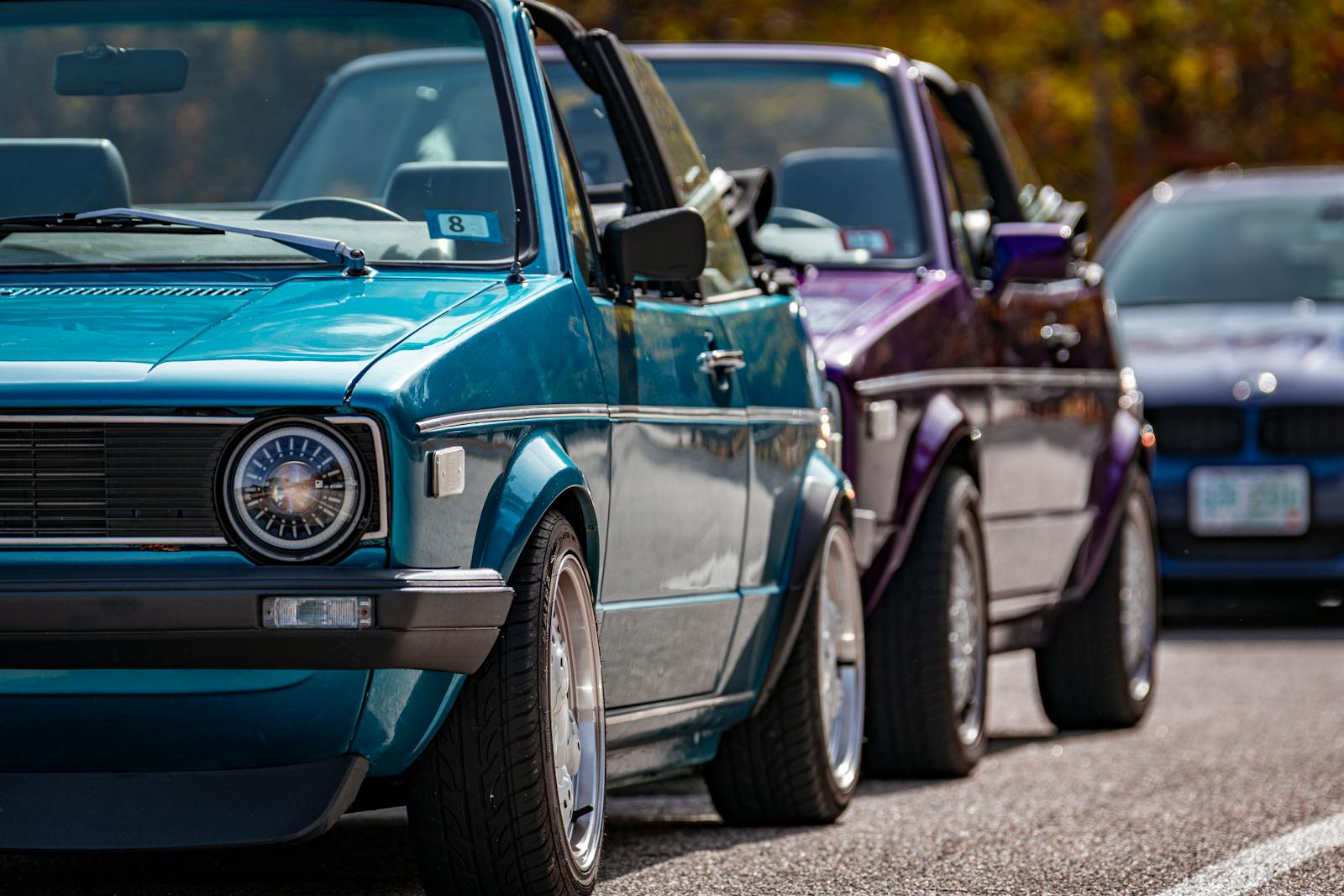
The debate over whether older cars possess more personality than their modern counterparts is gaining traction among automotive enthusiasts and everyday drivers alike. As new models flood the market with high-tech features and sleek designs, many argue that vintage vehicles, such as the 1965 Ford Mustang or the 1980s Volkswagen Golf, offer unique character and charm that newer cars lack. This discussion matters because it highlights a growing disconnection between consumer preferences and the automotive industry’s push for innovation.
1. Iconic Designs
Older cars often feature designs that are instantly recognizable and have stood the test of time. For example, the Chevrolet Corvette from the 1960s is celebrated for its curvy lines and aggressive stance, which evoke a sense of nostalgia. In contrast, many modern vehicles tend to blend into a sea of similar designs, prioritizing aerodynamics over distinctiveness. This sameness can leave drivers feeling uninspired by their new purchases.
2. Simplicity in Engineering
Older vehicles typically have simpler engineering, making them easier to understand and repair. With fewer electronic components and advanced technology, cars from the 70s and 80s, like the Toyota Land Cruiser, can often be serviced by the owners themselves. This simplicity fosters a deeper connection between the driver and the vehicle, as owners develop a hands-on relationship with their cars that is often lost in today’s sophisticated models.
3. Unique Character and Quirks
Each older car carries its own quirks that can endear it to its owner. For instance, the classic Volkswagen Beetle is known for its distinctive sound and unique driving dynamics. These characteristics can create a bond between the driver and the vehicle, transforming the act of driving into a personal experience. Newer cars, with their standardized features and uniform performance, often lack these charming idiosyncrasies.
4. Rich History and Stories
Many older vehicles come with a rich history or a story that can be shared among enthusiasts. For example, the Ford Bronco has a storied past as an off-road champion, making it a symbol of adventure and ruggedness. Each vintage car can serve as a conversation starter, inviting discussions about the era it represents, the adventures it has seen, and the memories it has helped create. This historical context adds a layer of personality that new models often fail to provide.
5. Customization Opportunities
Older cars are often easier to customize, allowing owners to inject their personality into their vehicles. Models like the 1970 Dodge Charger are popular among car enthusiasts for modifications ranging from engine swaps to unique paint jobs. This flexibility not only enhances personal expression but also creates a community of like-minded individuals who share a passion for automotive creativity. In contrast, many new models come with limited customization options due to complex technologies and integrated designs.
6. Affordability and Accessibility
Older cars can be significantly more affordable than new models, making them accessible to a wider range of consumers. For instance, a well-maintained 1995 Honda Civic can be purchased for under $5,000, while the latest models often start at tens of thousands. This affordability opens the door for first-time car buyers or budget-conscious consumers to own a vehicle with character, rather than settling for a costly new car that lacks individuality.
7. Cult Followings
Many older cars have developed cult followings that celebrate their unique personality and history. The classic Mini Cooper, for example, has a dedicated community that organizes shows, rallies, and meetups. This passion fosters a sense of belonging among enthusiasts, making ownership more than just a transaction—it becomes part of a larger lifestyle. Newer cars, despite their technological advancements, often lack this devoted fanbase, further emphasizing the distinctiveness of vintage models.
Conclusion: Embrace the Personality of Older Cars
The growing appreciation for older cars highlights a desire for individuality in a world dominated by uniformity. As consumers seek vehicles that reflect their personalities, it’s essential to recognize the enduring charm and character of vintage automobiles. Whether it’s a classic Mustang or a quirky Beetle, these cars offer more than just transportation; they provide a connection to the past and a means of self-expression.
As the automotive landscape continues to evolve, now is the time for potential car buyers to consider the personality and history of older models. With a plethora of options available, enthusiasts and casual drivers alike can find a vehicle that resonates with their unique tastes and lifestyle. Explore the world of vintage cars today and discover how they can enrich your driving experience