
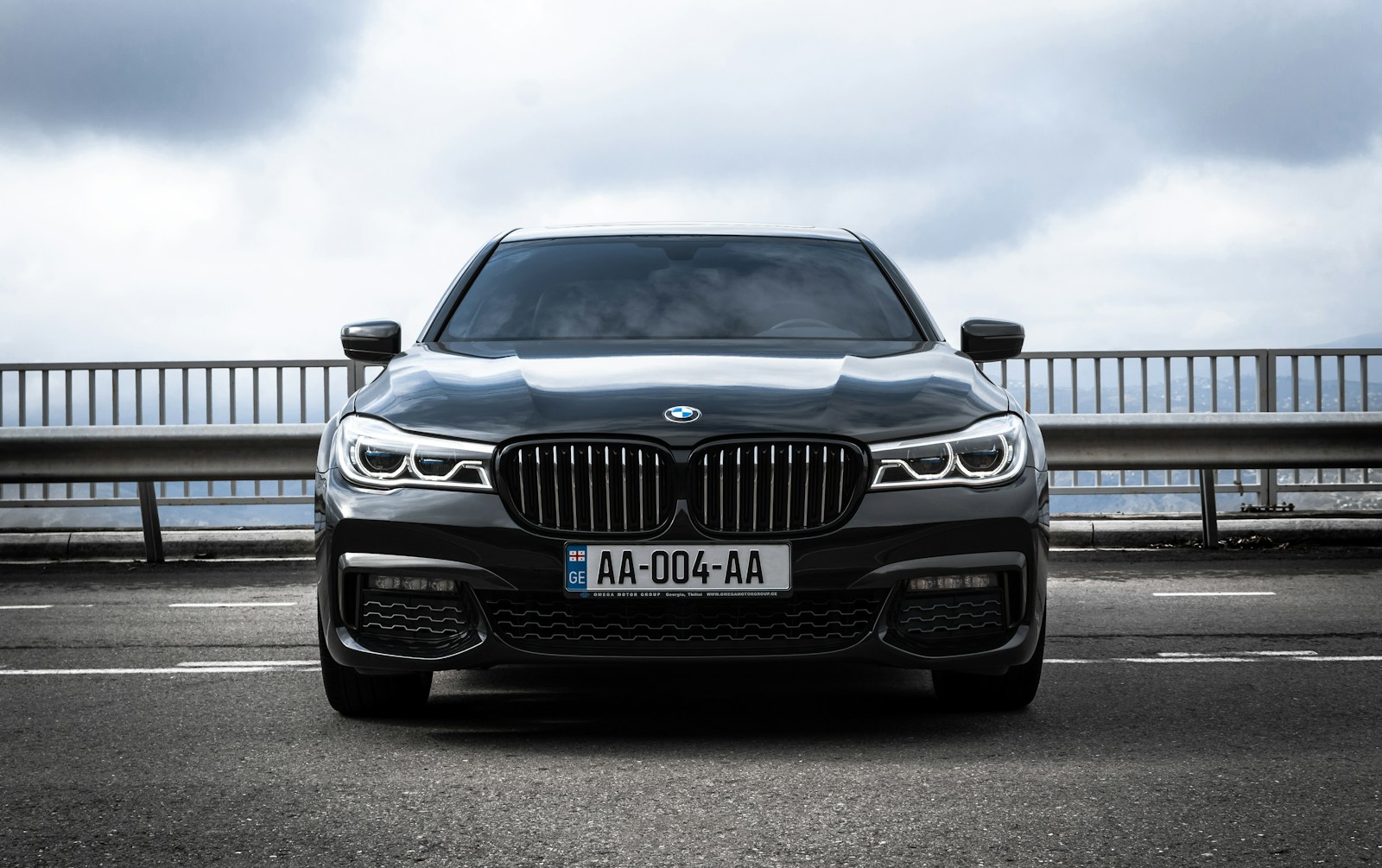

Ah, the good old days of car ownership! Remember when cars seemed to last forever, and a hundred thousand miles was just the beginning? You could practically drive your trusty sedan into the ground and still pass it down to your kids. Fast forward to today, and it feels like cars are more likely to end up in the junkyard than in your driveway after just a decade. So, what gives? Here are seven reasons today’s cars seem to have a shorter lifespan than those vintage models we all know and love.
1. Technology Overload
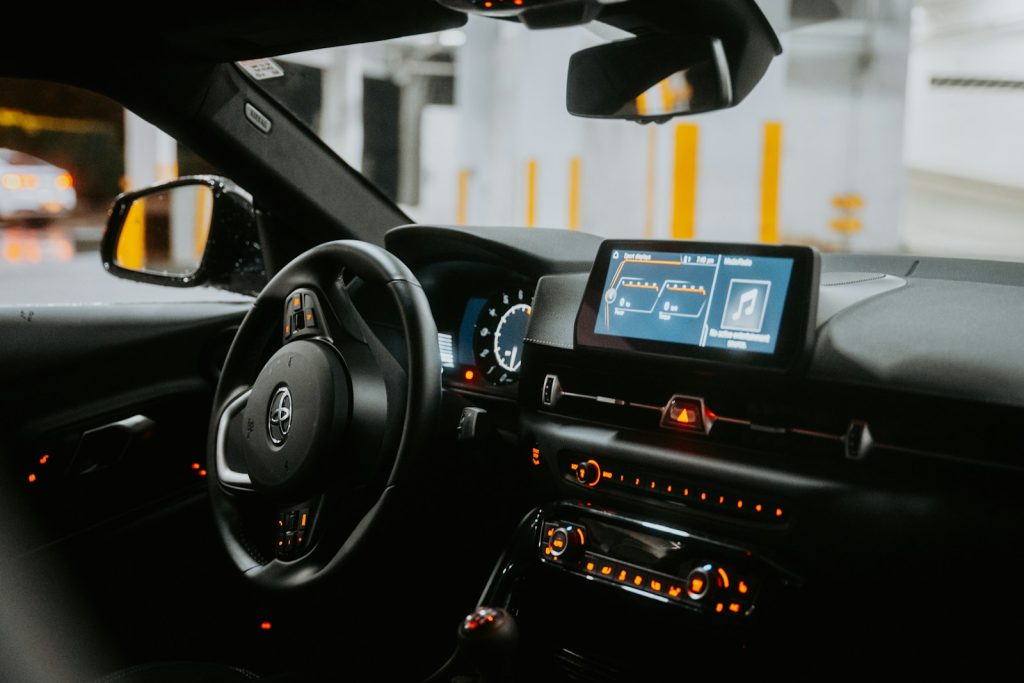
Let’s face it: today’s cars are like high-tech gadgets on wheels. While it’s fantastic to have features like adaptive cruise control and lane-keeping assist, all that technology comes with a price. More electronics mean more things that can go wrong. If your car’s brain (a.k.a. its computer system) decides to throw a tantrum, you might find yourself in for an expensive repair. Back in the day, if your car didn’t work, you could usually pop the hood and have a look. Now? Good luck figuring out what’s wrong without a degree in computer engineering!
2. Lightweight Materials
Ever noticed how today’s cars are lighter? That’s because manufacturers are using materials like aluminum and plastic to improve fuel efficiency. While this is great for gas mileage and performance, it can hinder durability. Older cars were built like tanks, with hefty steel frames that could withstand a lot of wear and tear. Nowadays, crumple zones and lighter materials mean you’re more likely to see a dent after a minor fender bender. It’s like trading in a sturdy fortress for a stylish beach house—looks great, but it might not weather the storm!
3. The Rise of Planned Obsolescence
Have you ever noticed how some products seem to stop working just after the warranty expires? Funny how that works, right? The auto industry is no stranger to this phenomenon. Manufacturers often design parts to wear out after a certain period, encouraging you to buy a new model sooner rather than later. This planned obsolescence is all about keeping sales up, but it can leave you feeling like your car is a disposable item instead of a long-term investment.
4. Maintenance Myths
Remember when you could change your oil, rotate your tires, and keep your car running like new? These days, it feels like the maintenance game has changed. With all the new technology, many people are unsure about what regular upkeep is actually necessary. Some manufacturers recommend longer intervals between oil changes and tire rotations, which can be tempting—who wants to spend a Saturday in a garage, right? But skipping these can lead to bigger problems down the road. It’s like ignoring that little drip from your faucet; before you know it, you’ve got a waterfall!
5. Environmental Regulations
On one hand, we all want cleaner air and a healthier planet, and that’s where those stricter regulations come in. On the other hand, these regulations can sometimes make cars less durable. Manufacturers are forced to use materials and processes that meet emissions standards, which can compromise quality. So while you’re enjoying that fresh, clean air, your car might be feeling a bit under the weather. It’s a classic case of “you can’t have your cake and eat it too.”
6. Consumer Expectations
Let’s not forget that today’s drivers have different expectations than those of yesteryear. We want our cars to be faster, sleeker, and packed with features. This demand for more—more speed, more tech, and more comfort—often comes at the expense of longevity. It’s like wanting a gourmet meal at a fast-food joint. You might get a great burger, but it’s not going to last until your next meal. Sometimes, the flashier the car, the shorter its lifespan!
7. The Changing Definition of “Value”
Finally, we have to talk about how we define value these days. In a world of leasing and financing, many of us are more focused on monthly payments than long-term durability. This mindset can lead to a culture of disposable cars, where keeping a vehicle for a decade feels like an ancient practice. If you’re constantly upgrading to the latest model, why worry about whether it’ll last? It’s a bit of a vicious cycle, and it’s changing the way we think about car ownership.