
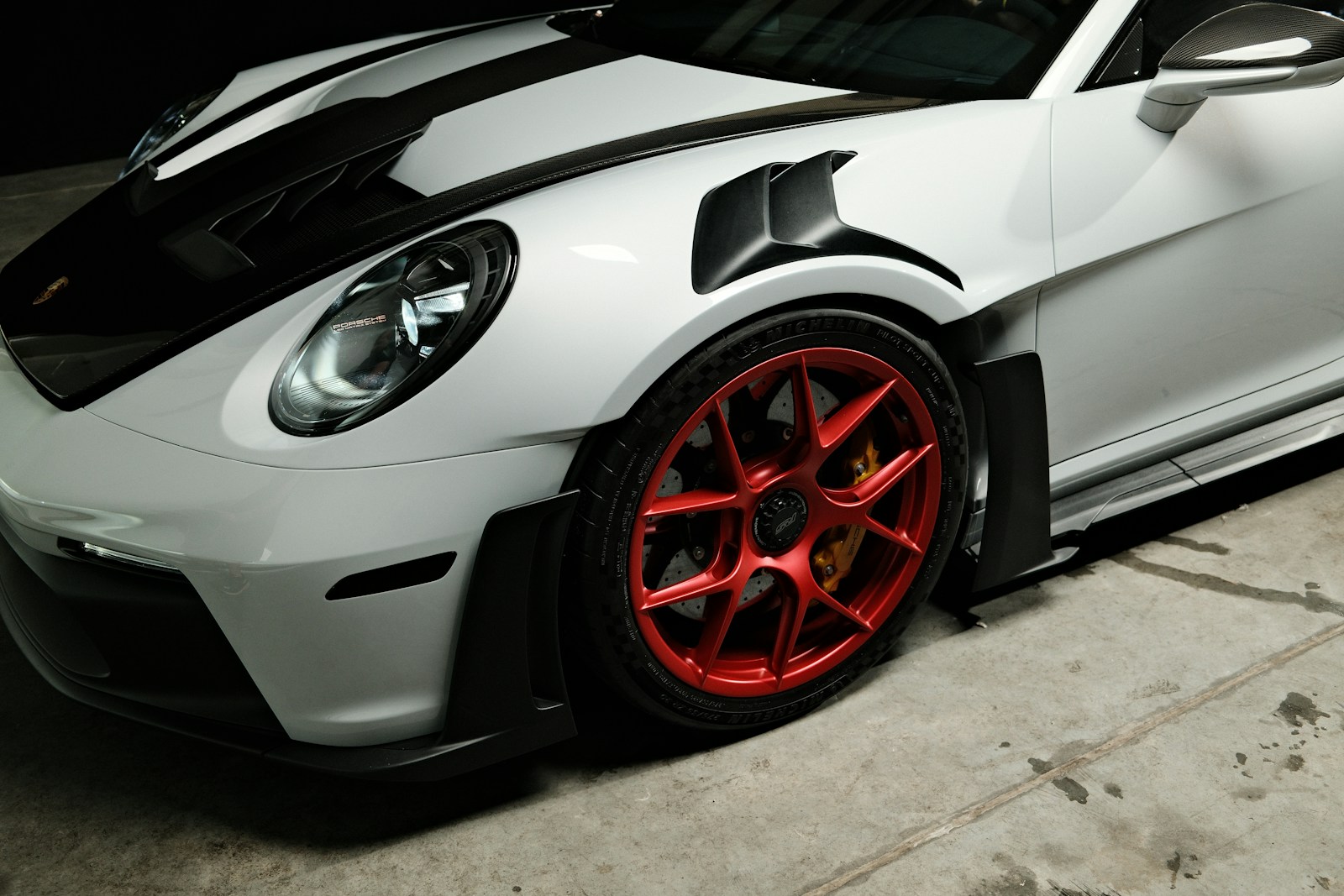

You’ve likely admired sports cars for their speed and style, but the market has shifted and some once‑coveted models now sit overlooked. You’ll learn why well‑known names that once thrilled buyers — from mass‑market pony cars to exotic two‑seat coupes — no longer command the demand they used to.
This article walks you through examples and the forces behind their decline, so you can see whether those cars lost relevance, value, or simply timing. Expect concise explanations about how changing tastes, pricing, practicality, and competition reshaped what buyers want.
Chevrolet Camaro

You might remember the Camaro as a bold, V8-powered muscle car that defined weekend thrills.
By 2023–2024 Chevrolet ended the sixth-generation Camaro’s production as sales and shifting demand reduced its business case.
If you’re shopping now, find fewer new examples and more used models, often valued for performance history rather than modern practicality.
Audi R8
You once saw the R8 as Audi’s halo supercar, a mid‑engined V10 showpiece that proved the brand could build something exotic.
Now production has ended and Audi has no immediate plan to revive the R8 as an internal‑combustion halo, so your chances of buying a new one are gone.
That leaves the R8 as a used‑market choice: iconic styling and raw performance, but declining demand and shifting manufacturer priorities mean prices and long‑term support may be less certain than they used to be.
Dodge Viper
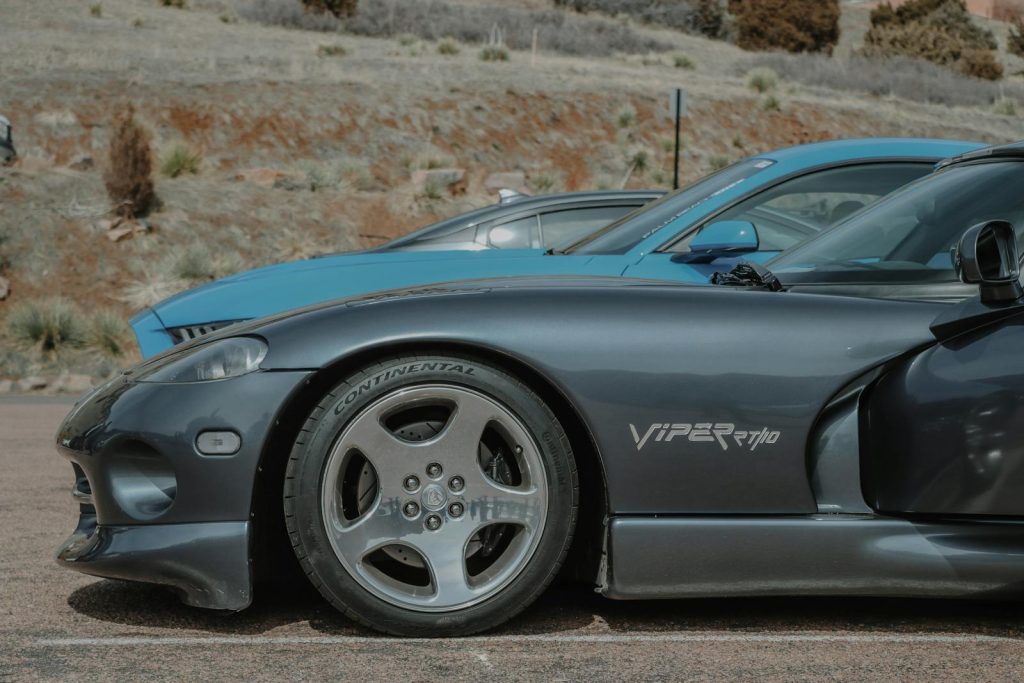
You remember the Viper as a loud, V10-powered icon that prioritized raw performance over gadgets.
Its lack of modern driver aids and rising safety and emissions costs made it hard to justify for many buyers.
You might find remaining examples pricey to buy and expensive to maintain.
That narrow appeal left the Viper as a collector’s passion rather than a practical sports car for most drivers.
Alfa Romeo 4C
You once loved the 4C for its light carbon-fiber chassis and raw, analogue feel.
Now it feels dated: limited tech, tight interior, and no longer in regular production make it harder to justify.
You’ll find pure driving character, but everyday usability and modern features lag behind rivals.
If you want a practical or well-supported sports car today, the 4C often falls short.
Fiat 124 Spider
You probably remember the 124 Spider’s classic Italian looks and lightweight roadster feel.
It shares many bones with the Mazda Miata, but lacks the same buyer enthusiasm.
You might find its small engine and modest power off-putting in today’s market that favors bigger, faster sports cars.
Rust concerns and Fiat’s uneven reputation also keep many buyers away.
Volkswagen Scirocco
You may remember the Scirocco for its sharp coupe lines and fun driving feel.
Volkswagen revived it in 2008 and refreshed it in 2014, but slow sales led to its end in 2018.
If you liked its blend of hatch practicality and sporty looks, you’re not alone.
Still, changing market tastes and VW’s priorities pushed the Scirocco out of showrooms.
BMW Z4 (previous generation)
You once loved the Z4 for its sharp looks and balanced handling, but the previous-generation model now feels dated to many buyers. Reliability varied by year, and some early units suffered oil and coolant issues that raise ownership costs.
Engines ranged from a punchy 2.0L turbo four to a lively 3.0L inline-six, so you can still find fun examples if you search carefully. Prices have dropped, but factor in maintenance and potential repairs before you commit.
More from Steel Horse Rides: