
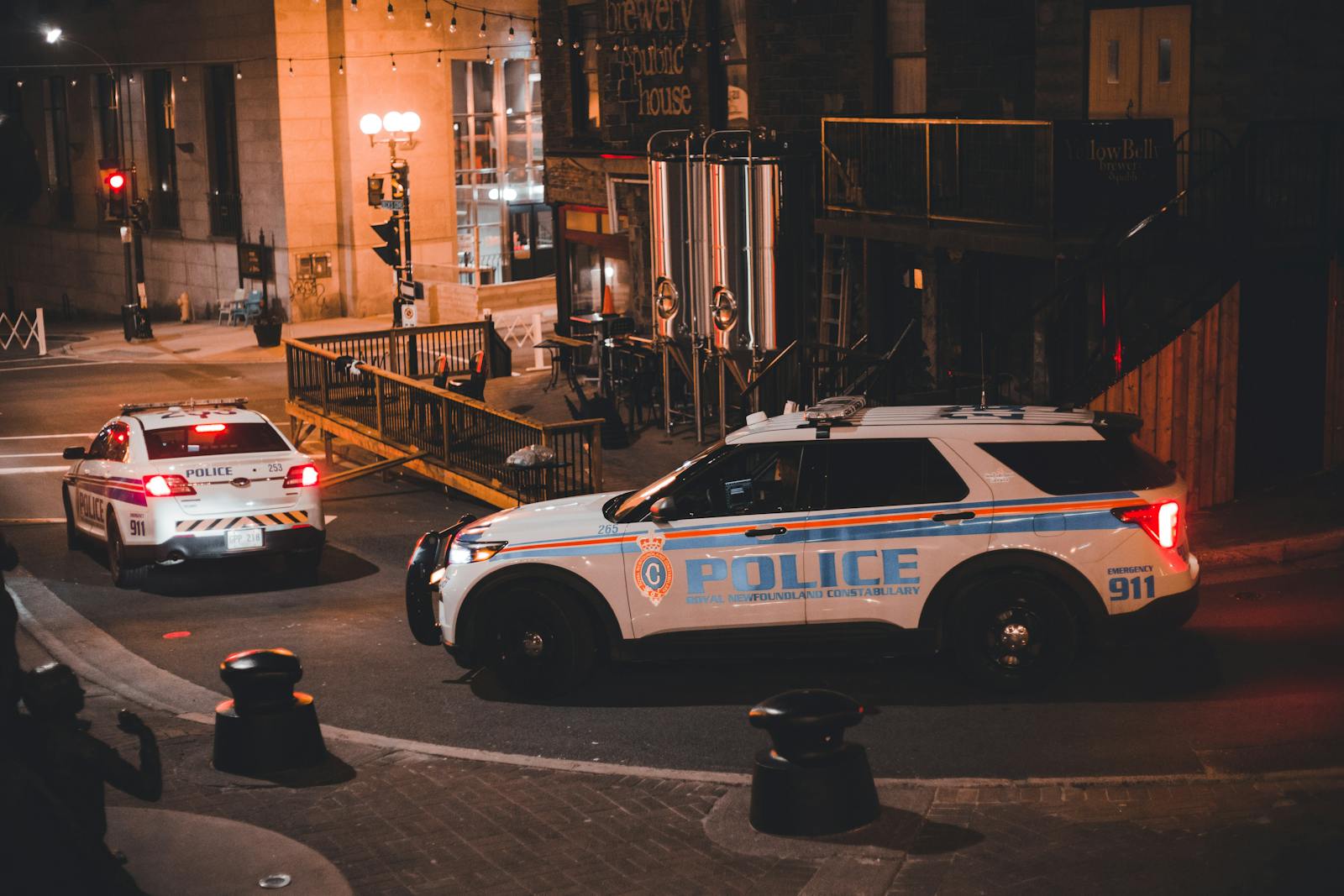

You encounter vehicles on the road every day, and sometimes one feels oddly out of place. Knowing a few subtle signs can help you spot an unmarked police car and make safer decisions when a vehicle behaves like an enforcement cruiser.
This article walks you through common visual and behavioral clues—antenna clusters, subdued paint schemes, hidden light bars, standard cruiser models without decals, heavy tint, spotlights, and license plate oddities—so you can stay alert and act confidently if an unmarked vehicle pulls up behind you.
Hidden or extra antennas on the roof or trunk
You might spot one or more antennas that look out of place compared with typical civilian cars.
These extras often support radios, GPS, or data links used by law enforcement.
Check the roof, trunk, and rear window area; multiple or unusually thick antennas are a common clue.
Don’t rely on this alone—some owners add antennas for legit reasons, and modern police tech can be more discreet.
Lack of police decals but presence of subdued black-and-white paint
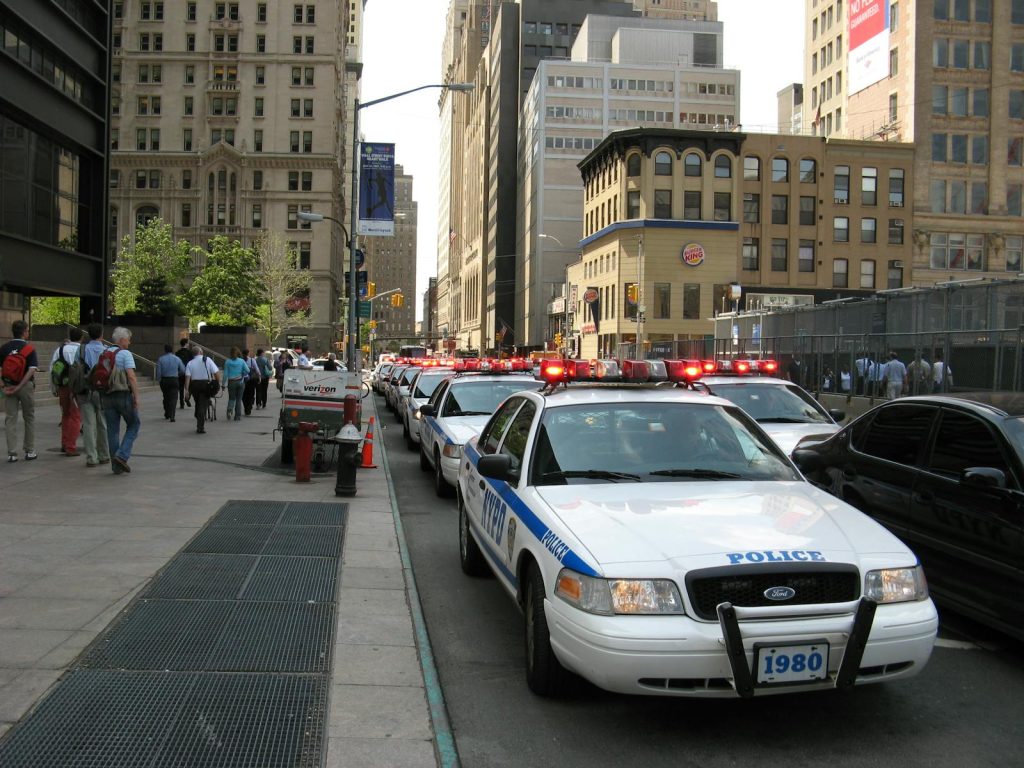
You might see a vehicle without obvious badges yet painted in muted black-and-white tones.
Departments sometimes use low-contrast graphics that blend into the base color, so a car can look plain at first glance.
If you’re unsure, note that ghosted or subdued lettering becomes more visible at certain angles or under headlights.
Treat the vehicle like any other — drive normally and pull over safely if signaled.
Unusual or aftermarket light bars concealed in the grille or behind the windshield
You might notice slim light bars tucked behind the windshield or hidden in the grille that don’t match typical dealer options.
They often sit flush and use multi-color LEDs, designed to be discreet but functional for takedown or emergency signaling.
These lights can look like aftermarket accessories—thin, aerodynamic, and weather-sealed.
If you see small lenses or irregular reflections where a factory finish should be, it could indicate covert emergency lighting.
Standard cruiser models like Ford Taurus or Chevrolet Impala with no markings
You might see a plain Ford Taurus or Chevrolet Impala that looks like any other sedan on the road.
These models are commonly used by police and can be unmarked, so plate details and equipment become important cues.
Check for subtle differences like hidden lights, reinforced bumpers, or government-style plates.
Trust your instincts: if a car follows you closely or behaves purposefully, stay calm and drive to a well-lit, populated area.
Tempered glass or heavily tinted windows
You might notice windows so dark you can’t see inside; that’s common on unmarked cars trying to conceal occupants.
Heavily tinted rear or side glass and laminated or tempered panes that resist quick inspection can be a clue.
None of these features prove a car is police-owned, but paired with other signs they raise the likelihood.
Trust your instincts: if the driver signals oddly or follows too closely, give space and stay cautious.
Spotlights mounted near side mirrors
You might notice small, high-powered spotlights tucked by a side mirror rather than on the roof.
These lights aim toward a vehicle’s driver window and often pivot for targeted illumination.
If a car suddenly shines a tight beam at your windshield during a stop, consider distance and behavior.
Legitimate officers usually identify themselves; if you feel unsure, keep doors locked and call emergency services.
License plates with city government or missing registration tags
Watch the plate closely—municipal or government plates often show short number strings and lack the usual state design. Spotting one can alert you that the vehicle serves official duties.
Also notice if the registration sticker is absent or oddly placed. That alone doesn’t prove a car is police, but it’s a common clue worth noting when combined with other signs.
More from Steel Horse Rides: