
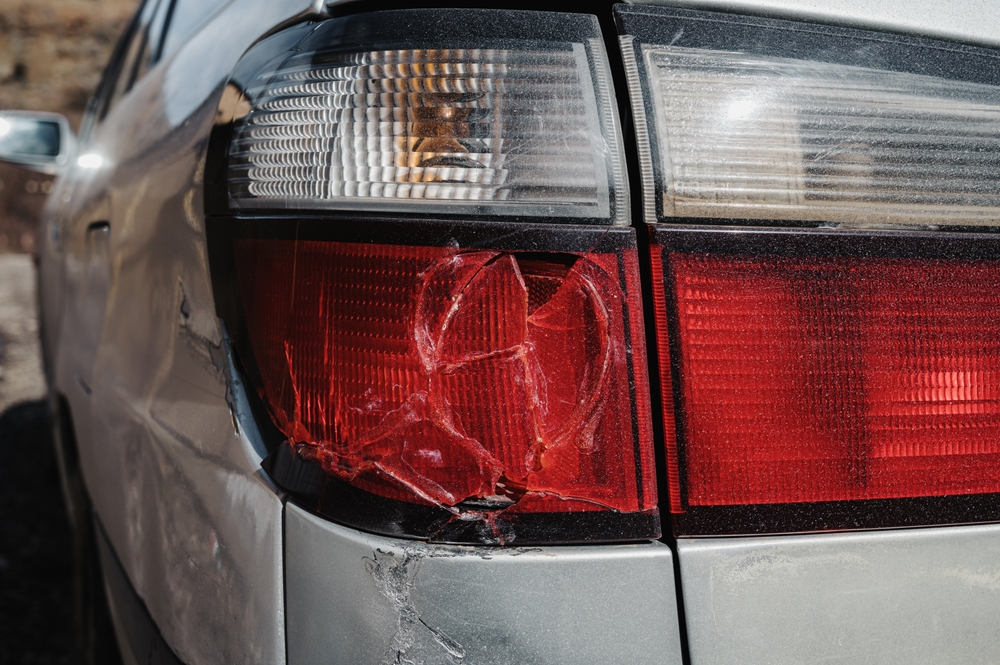

You can be doing the exact speed limit, feeling smugly responsible, and still see those red-and-blue lights in your rearview. It’s not always about speed—sometimes it’s about tiny details that scream “pull me over” to an officer who’s scanning traffic for anything unsafe (or illegal).
Think of a traffic stop like a quick roadside audit. Cops don’t need a dramatic reason; in most places, they just need reasonable suspicion of a traffic violation. And yes, that can include stuff you’d swear “doesn’t really matter,” right up until it does.
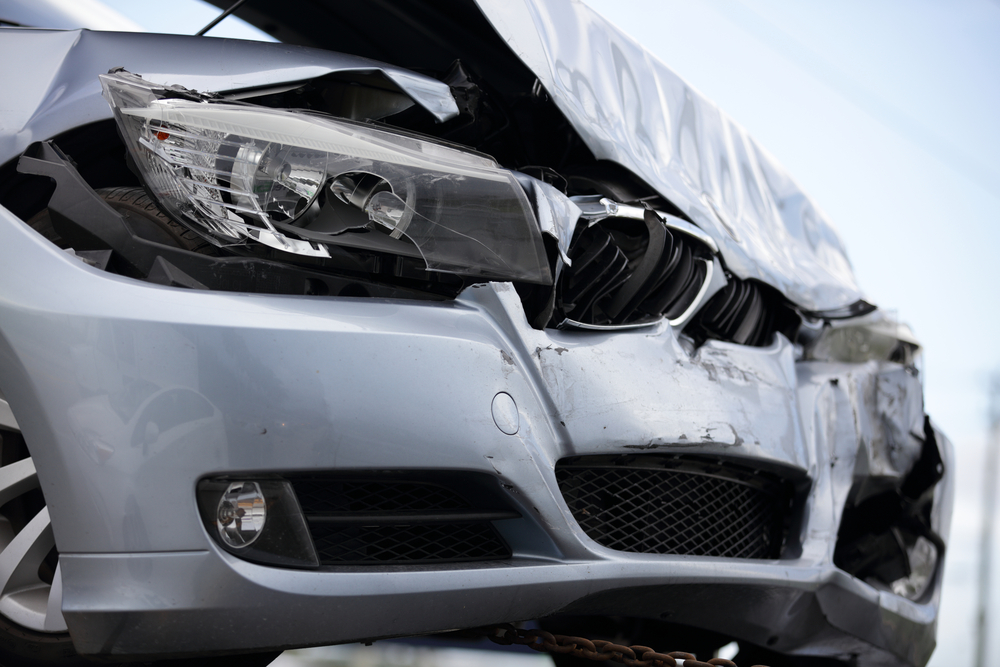
1) A burnt-out headlight, taillight, or brake light
This one is the classic: you’re driving perfectly, but one headlight is out and your car looks like it’s winking at everyone. Equipment violations are among the easiest reasons to stop a vehicle because they’re visible and straightforward. And brake lights are a big deal—if one is out, the driver behind you loses a key cue that you’re slowing down.
The annoying part is you might not even know it’s happened. Bulbs fail quietly, and you don’t exactly get a dashboard notification for every exterior light on most cars. A quick walk-around once a week (or anytime you notice people flashing you) can save you a stop.
2) An expired registration or missing/obscured plate
Expired tags are like a neon sign that says, “Hi, I might be behind on paperwork.” Officers can spot a stale registration sticker quickly, and many cars are now scanned by license-plate readers that flag expired registration automatically. Even if your registration is current, a plate cover that’s tinted, dirty, cracked, or bent can still get attention if it makes the numbers hard to read.
Also: watch those “cute” plate frames from dealerships or sports teams. If the frame blocks the state name, registration sticker, or any part of the plate number, it may violate local rules. It’s a goofy reason to get pulled over, but it happens all the time.
3) Not using your turn signal (or using it “wrong”)
No signal is an obvious one, but “wrong” signaling catches people too. Switching lanes without signaling, signaling too late, or signaling and then not actually turning can look like distracted driving—or like you’re trying to fake out other drivers. Officers often interpret inconsistent signaling as a safety issue because it increases the odds of a crash.
Some places also have rules about how far before a turn you’re supposed to signal (often around 100 feet, depending on the jurisdiction). You don’t have to count feet like you’re measuring for a backyard fence, but giving a clear, early signal makes you both safer and less interesting to police.
4) Rolling through a stop sign or “California stopping”
If you’ve ever slowed down, looked both ways, and drifted through a stop sign without fully stopping—congrats, you’ve met the rolling stop. A full stop usually means the wheels actually stop moving behind the stop line (or before the crosswalk). Officers love this violation because it’s easy to see and common enough that they don’t have to wait long to spot it.
It’s especially risky in neighborhoods, school zones, and anywhere with pedestrians. Even if the intersection feels empty, a rolling stop can still lead to a ticket—and it’s one of those things drivers tend to argue about, which never makes a roadside chat shorter.
5) Distracted driving (yes, even when you’re stopped)
Texting while driving is the headline, but distracted driving covers more than just your phone. Holding your phone, looking down for too long, fiddling with a GPS, or appearing to watch videos can all draw a stop. In many states, even touching your phone at a red light can be enough, because you’re still “operating” the vehicle.
And here’s the sneaky part: officers don’t need to see a full-on text message. If they see a driver’s eyes glued to their lap and their car drifting within the lane, that’s often plenty to investigate. The safest approach is also the simplest—set up your navigation and playlist before you shift into drive.
6) Lane violations: weaving, drifting, or hugging the line
You don’t have to be speeding to look impaired, tired, or distracted. If you’re weaving within your lane, crossing lane markers, or repeatedly correcting your steering like you’re fighting a strong wind that doesn’t exist, you can get pulled over. Officers treat this as a safety concern because it’s a common sign of intoxication, fatigue, or phone use.
Sometimes it’s not even your fault—poor alignment, uneven tire pressure, or a road with funky grooves can make your car wander. Still, from behind you, it looks the same. If your steering feels off, get it checked, because “my car pulls to the left” is not the magic phrase people hope it is.
7) Window tint, loud exhaust, or other “equipment” issues
Equipment stops aren’t limited to lights and plates. Illegal window tint is a frequent reason, especially if it’s dark enough that an officer can’t see into the car. Loud exhaust, missing mufflers, tinted taillights, certain LED light bars, or even a cracked windshield (depending on how severe it is) can also trigger a stop.
The tricky thing is tint laws and vehicle modification rules vary a lot by state—and sometimes by how strictly they’re enforced in your area. If you’re moving to a new state or buying a used car, it’s worth checking whether your tint and mods are actually legal there. Otherwise, you might learn about the law from the least convenient teacher: a patrol car behind you.
A quick note on “why you got pulled over” vs. “what happens next”
Getting stopped doesn’t automatically mean you’re getting a ticket. Plenty of equipment issues end in a warning or a “fix-it” notice, especially if you’re calm and the problem is easy to correct. But a stop does create an opportunity for an officer to notice other problems—like impaired driving, warrants, or illegal items in plain view.
If you want to keep your odds low, the best strategy isn’t perfect driving (because nobody’s perfect). It’s boring, predictable driving: working lights, visible plate, consistent lane position, clean stops, and your phone out of your hands. It’s not glamorous, but it’s amazing how much attention you don’t get when you look like the safest car on the road.
More from Steel Horse Rides: