

Recent incidents have highlighted the challenges facing electric vehicles (EVs), revealing that they may not be ready for widespread adoption just yet. As automakers push for a transition to electric driving, issues such as range anxiety, charging infrastructure, and technical failures continue to affect consumers. These problems matter because they could hinder the growth of the EV market and impact government efforts to promote cleaner transportation options.
1. Limited Charging Infrastructure
A significant barrier to the adoption of electric cars remains the lack of widespread and accessible charging stations. According to a report from the U.S. Department of Energy, there are only about 150,000 public charging outlets across the country, which is far fewer than the number of gas stations available. This shortfall leads to range anxiety, particularly for drivers in rural areas or those who frequently travel long distances.
2. Long Charging Times
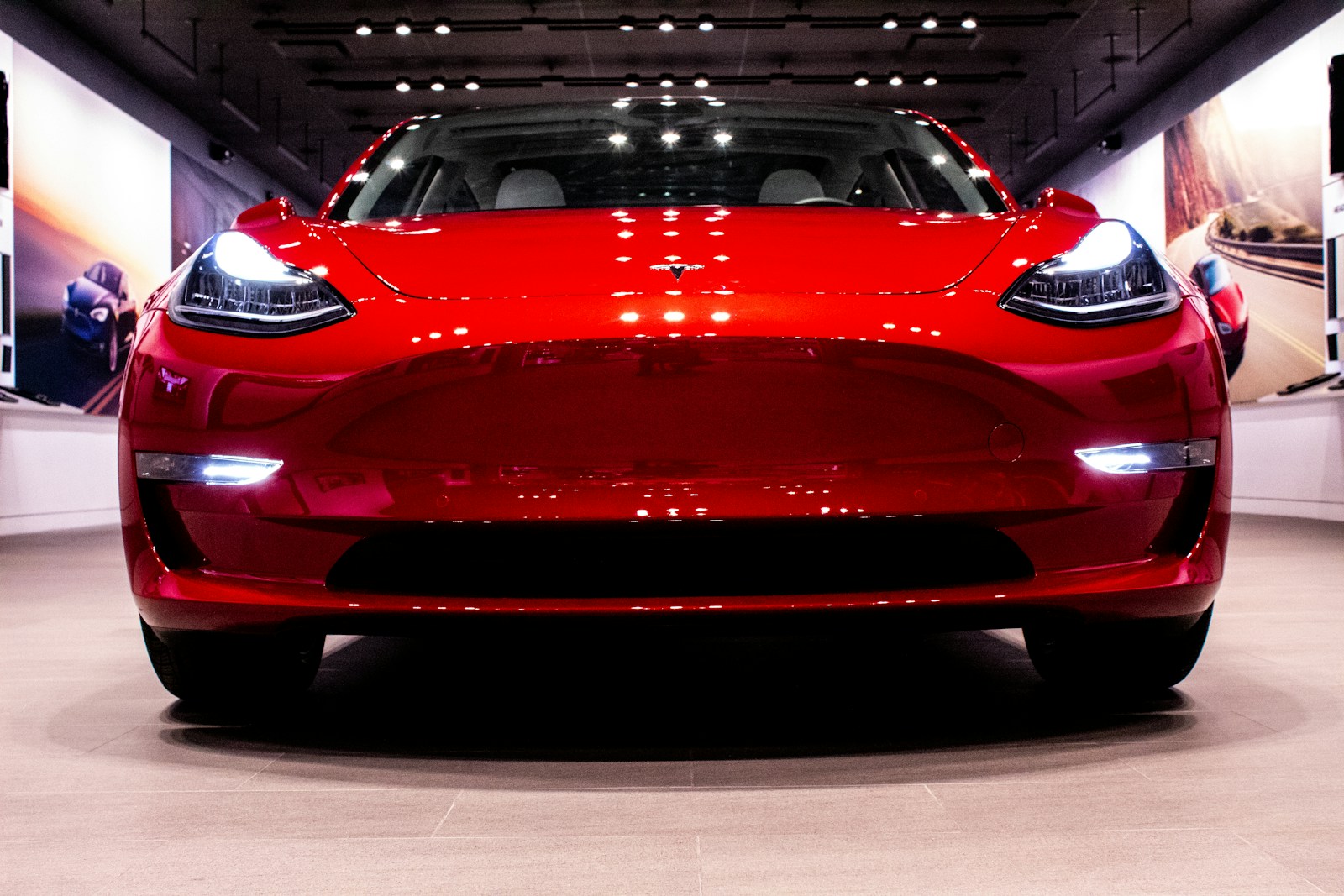
Many consumers are deterred by the lengthy charging times associated with electric vehicles. For instance, a Tesla Model 3 can take up to 30 minutes to recharge at a Supercharger station, while home charging can require several hours. In contrast, filling a gas tank typically takes less than five minutes. This discrepancy in refueling time can be a critical factor for individuals who rely on their vehicles for daily commutes or long trips.
3. Battery Degradation
Battery performance is another concern that affects electric vehicle reliability. Studies have shown that batteries can degrade over time, with a 2020 study from the University of California revealing that some EV batteries lose up to 20% of their capacity within five years. For example, the 2018 Nissan Leaf has been reported to experience significant range reduction after several years of use, impacting its appeal as a long-term investment.
4. Software Glitches and Technical Failures
Electric vehicles are often equipped with advanced technology, which can sometimes lead to software glitches and technical failures. In 2021, Tesla issued a recall for over 285,000 Model 3 vehicles due to safety concerns associated with their automated driving features. Such issues raise questions about the reliability of these vehicles, potentially discouraging buyers who prioritize safety and dependability.
5. High Initial Costs
The upfront cost of electric vehicles remains a significant hurdle for many consumers. According to Kelley Blue Book, the average price of a new electric vehicle in 2023 is around $66,000, compared to the average new car price of approximately $48,000. While federal and state incentives can help offset some costs, the initial investment still prevents many potential buyers from making the switch to electric.
6. Environmental Concerns Over Battery Production
While electric vehicles are often touted as environmentally friendly, the production of their batteries raises considerable environmental concerns. Mining for lithium, cobalt, and nickel—essential components of EV batteries—has been linked to environmental degradation and human rights violations in some regions. A 2022 report from the International Energy Agency noted that the carbon footprint of battery production can offset the emissions savings achieved during the vehicle’s operational life, complicating the EV’s green credentials.
7. Limited Model Availability
The variety of electric vehicle models is still limited compared to traditional gasoline-powered cars. While automakers like Ford and General Motors are expanding their electric lineups, many consumers still have few options that meet their specific needs. For example, the 2022 Ford F-150 Lightning, an electric version of the popular pickup, is still not widely available, with many potential buyers placed on long waiting lists, showing that demand is outpacing supply.
Conclusion
The current challenges faced by electric vehicles highlight that they may not yet be a viable option for everyone. From charging infrastructure to battery production concerns, these issues must be addressed to facilitate a broader transition to electric driving. As automakers and governments work towards a more sustainable future, consumers should stay informed about the potential drawbacks of electric vehicles before making a purchase decision. It’s crucial for potential buyers to weigh the benefits against the challenges to ensure they make an informed choice.
As the automotive industry evolves, it’s essential for consumers to advocate for better infrastructure and technology to ensure electric cars can meet the needs of all drivers. The transition to electric vehicles is underway, but it’s clear that a considerable amount of work remains to make them accessible and practical for everyone.