

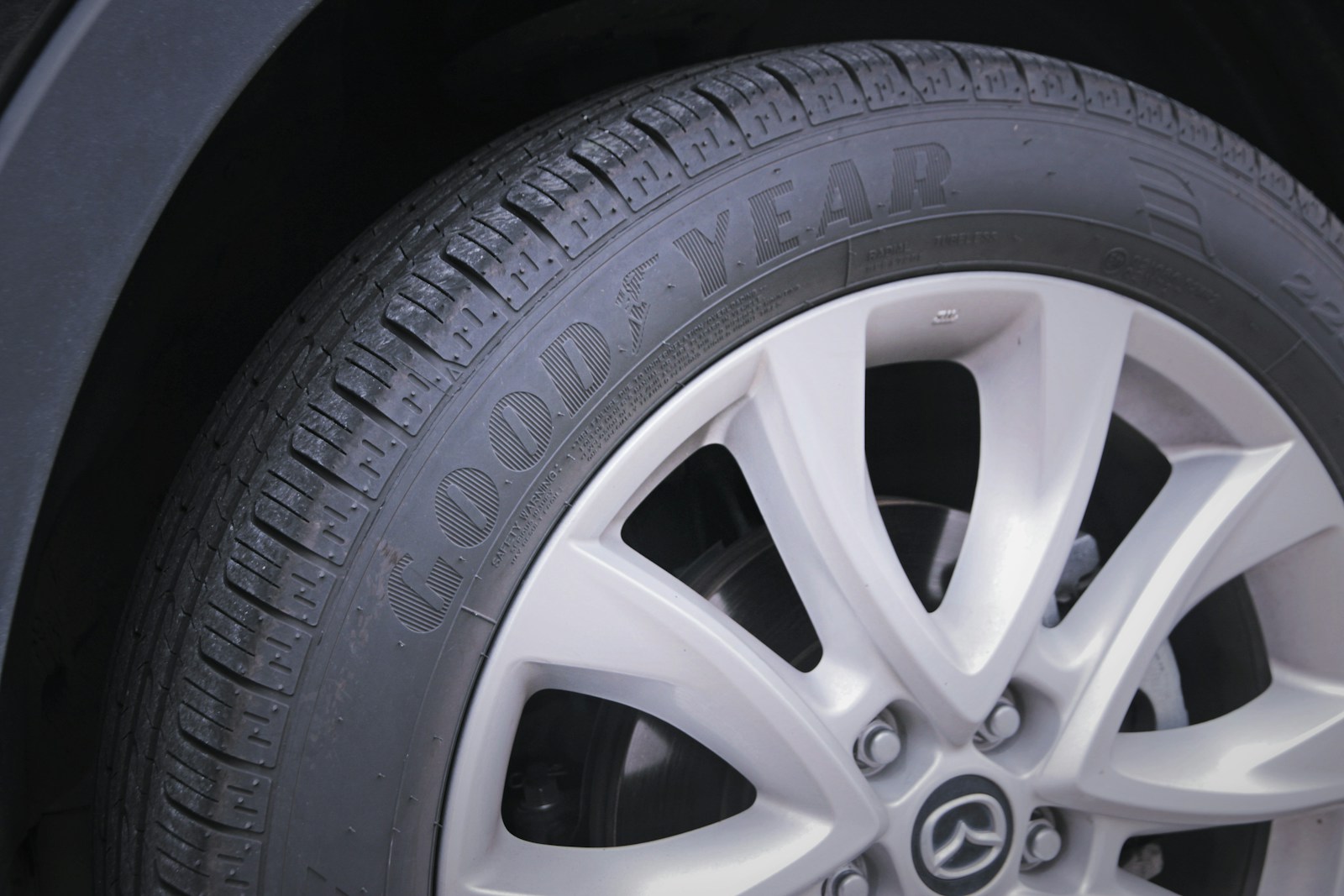
Despite their impressive advertising campaigns, several tire brands have come under scrutiny for subpar performance in grip and safety. This issue affects countless drivers who rely on these tires for safety and performance, especially as winter weather approaches. With tire selection critical to vehicle safety, understanding which brands may not deliver on their promises is essential for consumers everywhere.
1. Goodyear
Goodyear is one of the most recognizable tire brands globally, known for its extensive marketing campaigns and sponsorships in various sports. However, certain models, particularly the Goodyear Assurance WeatherReady (2017-2022), have faced criticism for their lack of traction in wet conditions. Consumer Reports noted that despite high customer satisfaction ratings, the tire’s performance in wet grip tests fell short of expectations, raising concerns about reliability.
2. Michelin
Michelin prides itself on innovation and premium performance tires. Yet, some consumers have reported disappointing results from the Michelin Premier A/S (2016-2022) in real-world scenarios. Although marketed as all-season tires, many drivers experienced reduced grip during heavy rain, leading to safety concerns. The discrepancy between marketing claims and actual performance has led some to question the brand’s focus on image over practical functionality.
3. Bridgestone
Bridgestone’s extensive lineup features tires designed for various conditions, but models like the Bridgestone Turanza QuietTrack (2018-present) have received mixed reviews. While marketed for comfort and noise reduction, users have reported that the tire’s grip on wet and icy roads does not meet expectations. This has prompted drivers to reconsider their tire choices, especially in regions prone to inclement weather.
4. Continental
Continental is well-known for its high-performance tires, but the Continental PureContact LS (2015-2022) has attracted negative feedback from some users regarding its grip. Marketed as a premium all-season tire, it has faced scrutiny for its ability to maintain traction in adverse conditions. Consumers have highlighted their experiences with slipping during sudden stops, indicating a potential mismatch between marketing promises and actual performance.
5. Pirelli
Pirelli is synonymous with motorsport and high-performance tires, boasting impressive advertising. However, the Pirelli Cinturato P7 (2014-2022) has been criticized for its grip, particularly in wet weather. While the brand markets this tire as an eco-friendly option, drivers have reported issues with hydroplaning, raising important questions about its safety under demanding conditions.
6. Falken
Falken’s marketing campaigns often emphasize performance and durability, but the Falken Azenis FK510 (2017-present) has garnered mixed reviews regarding wet grip. While designed for sporty driving, many customers have reported that the tire struggles to maintain traction in rainy conditions. This raises concerns for performance enthusiasts who may prioritize grip in their driving experience.
7. Hankook
Hankook has been making waves in the tire industry with its aggressive marketing strategies. However, certain models, such as the Hankook Ventus S1 Noble2 (2015-2022), have come under fire for their performance in challenging weather. Despite being marketed as a premium tire, users have noted a lack of grip during wet and snowy conditions, leading to potential safety risks for drivers in affected regions.
Why It Matters
Understanding the discrepancies between marketing and actual performance is crucial for consumers. With approximately 250 million registered vehicles in the U.S. alone, the implications of poor tire performance can extend beyond individual safety to road safety as a whole. Tires are the only contact point between a vehicle and the road, making it vital for drivers to choose options that deliver on their promises.
Consumer Recommendations
Drivers should conduct thorough research when choosing tires, paying close attention to independent reviews and performance tests. Websites such as Consumer Reports and Tire Rack offer detailed insights into tire performance, including grip ratings in various conditions. Additionally, consulting with automotive professionals can provide valuable guidance to ensure that the selected tires meet safety and performance expectations.
Conclusion
As tire brands continue to invest heavily in marketing, consumers must remain vigilant about the performance of their products. The risks associated with poor grip can lead to serious accidents and injuries, particularly in adverse weather conditions. Drivers are encouraged to evaluate their tire choices carefully and prioritize safety over brand popularity. Now is the time to act—review your tires, consult professionals, and ensure that safety is your top