
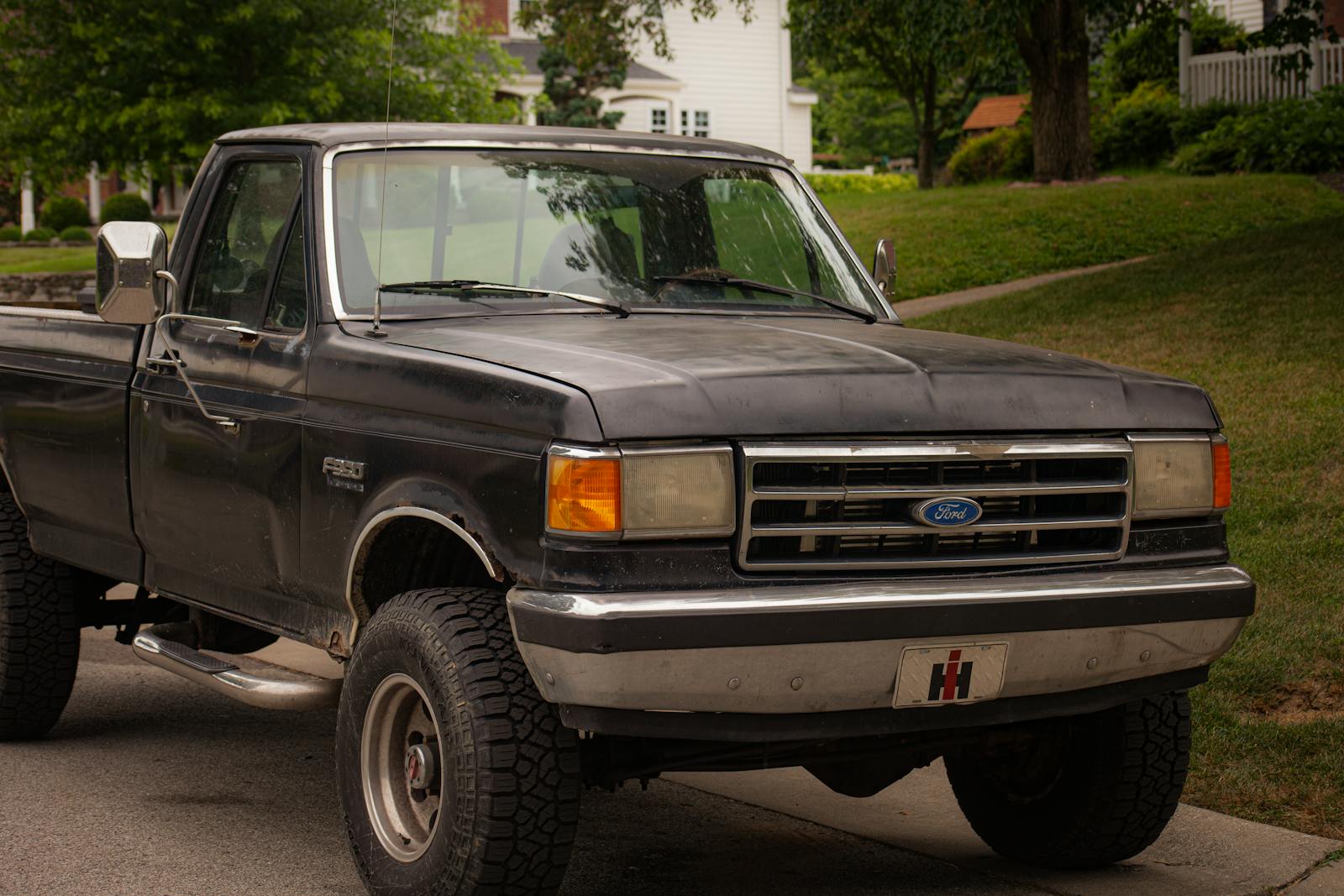

You think vintage pickups all have charm, but some models missed the mark and left collectors and drivers shaking their heads. This article walks you through seven unpopular vintage pickups so you can spot why they failed, what quirks they hide, and whether any of them deserve a second look.
You’ll learn which old trucks earned their bad reputations and what practical lessons their designs still teach today.
Expect quick takes on styling missteps, mechanical headaches, and odd market choices—from compact imports that confused buyers to American experiments that never caught on—so you can judge for yourself which ones truly belong in the scrapyard and which might surprise you.
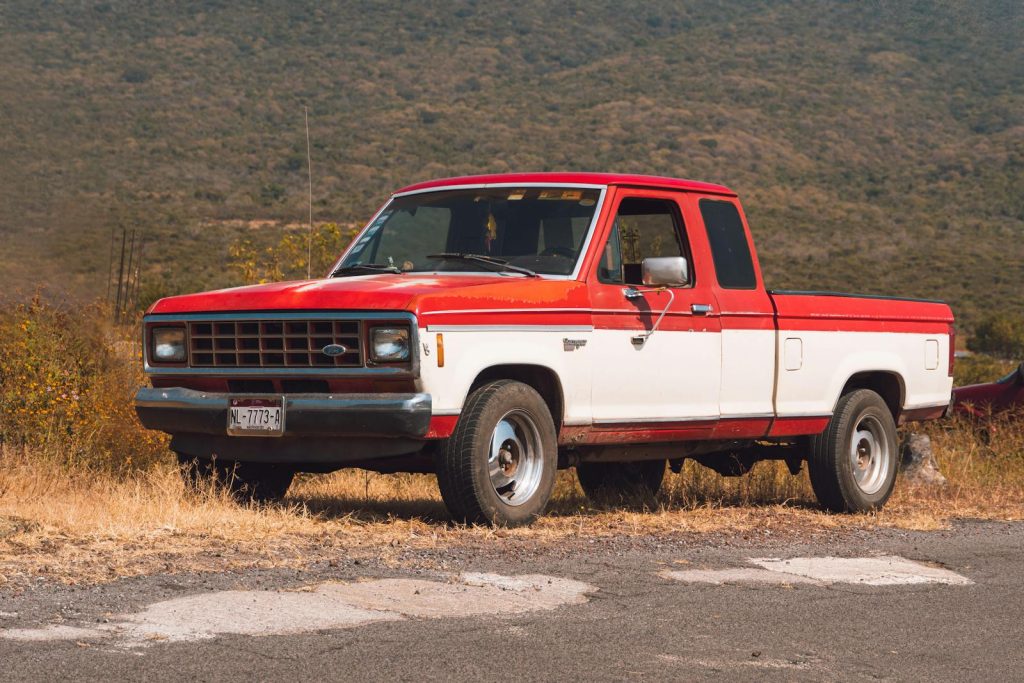
Ford Courier (1970s)
You might recognize the Courier as Ford’s compact answer to rising Japanese imports, though it was actually built by Mazda. It offered decent fuel economy and simple mechanics, but buyers often found the badge engineering and small size underwhelming.
If you expect F-series capability, this Courier will disappoint; it’s best for light chores and city use. Styling tried to echo full-size Fords, yet many drivers felt it lacked character and toughness.
Chevrolet LUV (1972)
You might find the Chevrolet LUV oddly small compared to classic American pickups, since it was a rebadged Isuzu Faster introduced in 1972.
It offered basic utility: a modest 1.8‑liter engine, rear‑wheel drive, and simple interior trim.
If you expect muscle or towing power, this isn’t the truck for you.
Its appeal was economy and compact footprint, not traditional pickup presence.
Dodge Li’l Red Express Truck
You might expect a bright red pickup with chrome stacks to be beloved, but the Li’l Red Express divides opinion.
Its hot-rod attitude and powerful 360 V8 came when emissions rules limited performance, which feels bold to some and gimmicky to others.
If you value originality, the truck’s short production run and distinctive look can seem overhyped.
For buyers who prefer subtlety or practical utility, the Li’l Red’s flair and modified parts make it a tough fit.
International Harvester Travelette
You’ll notice the Travelette tried to solve a real problem by offering a factory crew cab long before others did. It feels boxy and heavy compared with more refined pickups, which turns off many buyers.
Its vintage charm appeals to some collectors, but you’ll find issues with parts availability and fuel economy. If you want uniqueness over convenience, the Travelette rewards patience.
Toyota Stout (1960s)
You might find the 1960s Toyota Stout oddly uncharismatic compared with flashier American pickups.
It’s compact, basics-focused, and built for utility rather than comfort or style.
If you expect modern power or refinement, the Stout will disappoint; engines were small and performance modest.
Its durable chassis and simple mechanics do make it easy to work on, though, which some owners appreciate.
Nissan Junior (1970s)
You might find the Nissan Junior plain and underpowered compared with competitors of its era.
It offered simple 2.0L gasoline and 2.2L diesel options and a utilitarian interior meant for work, not comfort.
If you value reliability over style, the Junior has merit; otherwise its bland styling and modest payload left many buyers wanting more.
You’ll notice why it played second fiddle to rivals like the Toyota Stout in sales and appeal.
Mazda B-Series (early models)
You might find early Mazda B-Series trucks charming but flawed for daily use.
They were small, simple, and built for work rather than comfort.
You’ll notice basic interiors and limited safety features by modern standards.
Parts and mechanical simplicity make them easy to repair, yet rust and aging components bother many owners.
More from Steel Horse Rides: