

As the automotive industry gears up for significant changes, experts predict that the job market will undergo substantial transformations by 2026. These shifts will affect workers across multiple sectors, from assembly line jobs to advanced technology roles, making it crucial for professionals to adapt to the evolving landscape.
1. Rise of Electric Vehicle (EV) Manufacturing
With global sales of electric vehicles projected to reach 30 million units annually by 2026, traditional automakers are pivoting toward EV production. Companies like General Motors and Ford are investing billions in electric vehicle technology, which will require a workforce skilled in new manufacturing processes. As a result, jobs related to EV assembly and battery production are expected to increase significantly, potentially creating tens of thousands of new positions in the coming years.
2. Increased Demand for Software Engineers
The integration of advanced technology into vehicles is reshaping the skill sets required in the auto industry. By 2026, it is estimated that nearly 40% of all automotive jobs will involve software development and engineering, up from 25% in 2021. As cars become more connected and rely on software for autonomous driving features, there is a growing need for skilled professionals who can develop, test, and maintain this technology.
3. Automation and Robotics in Manufacturing
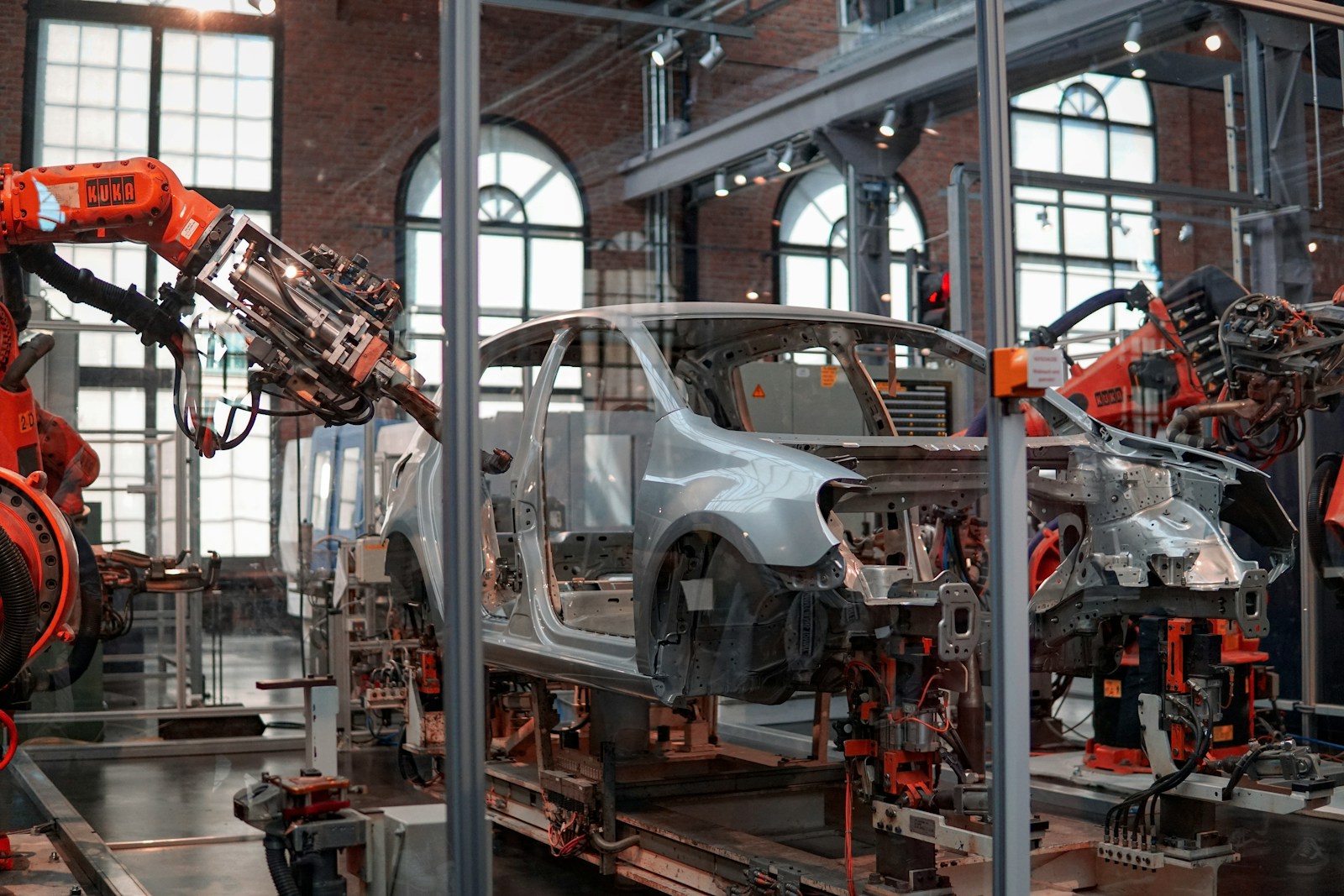
Automation is expected to play a pivotal role in the automotive industry by 2026, with an estimated 50% of manufacturing processes being automated. While this trend may lead to job displacement in traditional assembly roles, it will also create demand for technicians and engineers who can manage and maintain automated systems. Workers will need to adapt by acquiring new skills in robotics and automation technologies to remain competitive in the job market.
4. Shift Toward Sustainability and Green Jobs
As environmental regulations tighten, the automotive industry is increasingly focused on sustainability. By 2026, jobs related to environmental compliance and sustainable practices are expected to grow by 20%. This shift will create opportunities in areas such as recycling, waste management, and energy-efficient manufacturing processes, appealing to a workforce increasingly concerned with climate change and sustainability.
5. Changes in Supply Chain Management
The COVID-19 pandemic exposed vulnerabilities in global supply chains, prompting automakers to rethink their sourcing strategies. By 2026, local sourcing and onshoring practices are expected to dominate, creating jobs in logistics and supply chain management. Analysts predict that demand for supply chain professionals will grow by 15%, as companies seek to build more resilient operations and mitigate risks associated with global disruptions.
6. Upskilling and Reskilling Initiatives
To remain relevant in a changing job market, many automotive companies are prioritizing upskilling and reskilling their employees. By 2026, it is anticipated that 60% of workers will undergo some form of training to adapt to new technologies and processes. Companies are more likely to invest in training programs that focus on digital skills, making it essential for workers to embrace lifelong learning to keep pace with industry developments.
7. Remote Work Opportunities in the Auto Sector
The pandemic has accelerated the acceptance of remote work, and this trend is expected to continue in the automotive sector. By 2026, it is projected that 30% of automotive jobs could be performed remotely, particularly in roles related to software development, design, and project management. This shift will allow companies to tap into a broader talent pool and create more flexible work environments, appealing to a younger workforce seeking better work-life balance.
Conclusion: Prepare for the Future of Auto Jobs
The automotive job market is on the brink of significant transformation, driven by the rise of electric vehicles, automation, and a focus on sustainability. Workers in the industry must prepare for these changes by acquiring new skills and embracing lifelong learning. As the landscape evolves, staying informed and adaptable will be essential for securing employment in this competitive market. Workers are urged to seek out training opportunities and stay engaged with industry developments to thrive in the job market of 2026.