

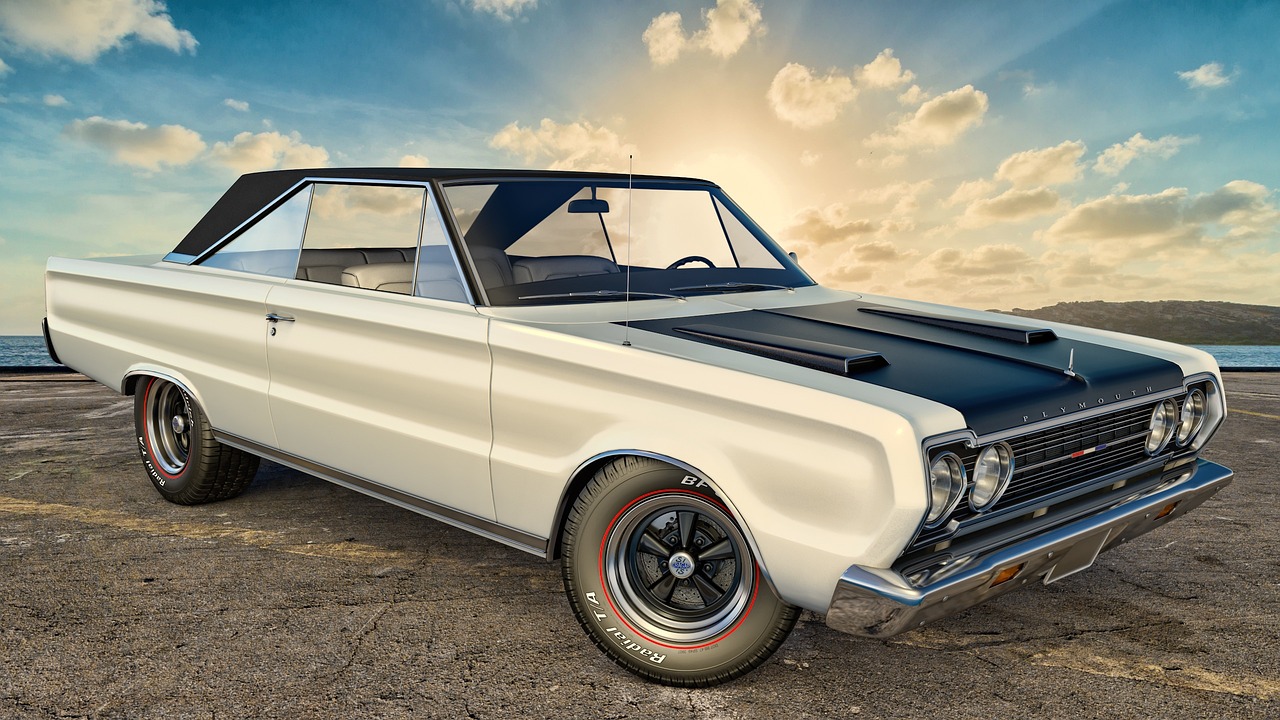
The muscle car market is known for its high-performance vehicles that often combine power with style, but not all muscle cars hit the mark when it comes to aesthetics. This article explores seven muscle cars that have garnered attention not only for their performance but also for their unconventional and often unattractive designs. These vehicles challenge the traditional views of beauty in automotive design, affecting collectors, enthusiasts, and casual fans alike.
1. 1975-1979 Ford Mustang II
The Ford Mustang II is often considered one of the most unattractive models in the Mustang lineup. Produced during the mid-1970s, it was a response to the oil crisis and featured a smaller, more fuel-efficient design. With its rounded edges and lack of aggressive styling, the Mustang II failed to resonate with fans of the original muscle car ethos, leading to a significant decline in sales, dropping to just 96,000 units in its last year of production.
2. 1982 Chevrolet Camaro
The 1982 Chevrolet Camaro symbolizes the transition between the classic muscle car era and the more modern, aerodynamic designs of the 1980s. Its bulky, boxy shape and awkward proportions present a stark contrast to its predecessors, leading many enthusiasts to deem it visually unappealing. Ultimately, this model saw a significant drop in popularity, with sales plummeting to around 75,000 units, as many sought the more aggressive styling of earlier generations.
3. 1994-2002 Pontiac Firebird
The Pontiac Firebird of the mid-1990s to early 2000s is known for its eccentric design, which some enthusiasts describe as “overly ambitious.” The front-end styling, characterized by its wide grille and sharp angles, has led to mixed reviews from both critics and fans. Despite its performance capabilities, the design did not resonate well, leading to a decline in production numbers, with the last model rolling out in 2002.
4. 2009 Dodge Challenger
The 2009 Dodge Challenger aimed to rekindle the classic muscle car spirit but fell short in the aesthetics department for many observers. Critics have pointed to its bulky appearance and retro styling as detracting from its performance reputation. While it has a loyal fan base, the design choices led to a polarizing effect on buyers, with only 35,000 units sold in its first year, indicating a cautious reception.
5. 2010-2015 Chevrolet Camaro (Fifth Generation)
The fifth-generation Chevrolet Camaro was a bold attempt to revive the classic muscle car image, but its design was met with a mix of admiration and disdain. The overly aggressive front and rear facias have drawn criticism for their awkwardness, leading many to label it as ugly. Despite its performance success, the aesthetic debate continues, with production numbers reaching over 100,000 units per year at its peak, showcasing a divided market.
6. 2016-2021 Ford Mustang (Sixth Generation)
The sixth-generation Ford Mustang has been praised for its performance but criticized for its design, particularly the front-end aesthetics. Many car enthusiasts argue that the design strays too far from the classic Mustang look, opting for a more modern approach that some find unattractive. With annual sales averaging around 60,000 units, the mixed reviews on its design have not hindered its performance reputation.
7. 2021 Dodge Charger
The 2021 Dodge Charger represents a modern muscle car with a unique blend of vintage and contemporary styling. However, its bulky proportions and controversial front-end design have led many to label it as unattractive. Despite its powerful engine options and performance capabilities, the styling has generated polarized opinions, with sales figures hovering around 80,000 units annually, indicating a market divided on aesthetics.
Conclusion: The Impact of Design on Muscle Car Appreciation
The muscle car segment is defined by its blend of performance and style, but not all models succeed in the aesthetics department. The vehicles listed above showcase how design can significantly impact a car’s reception in the market. While performance remains a key factor for muscle car enthusiasts, the visual appeal cannot be overlooked. As the automotive landscape continues to evolve, it will be interesting to see how future muscle cars balance performance with design, ensuring they resonate with both collectors and casual fans.
Car enthusiasts and potential buyers should consider both performance specifications and aesthetic appeal when exploring the muscle car market. Understanding these dynamics can enhance appreciation for the models that have come to define this genre.