

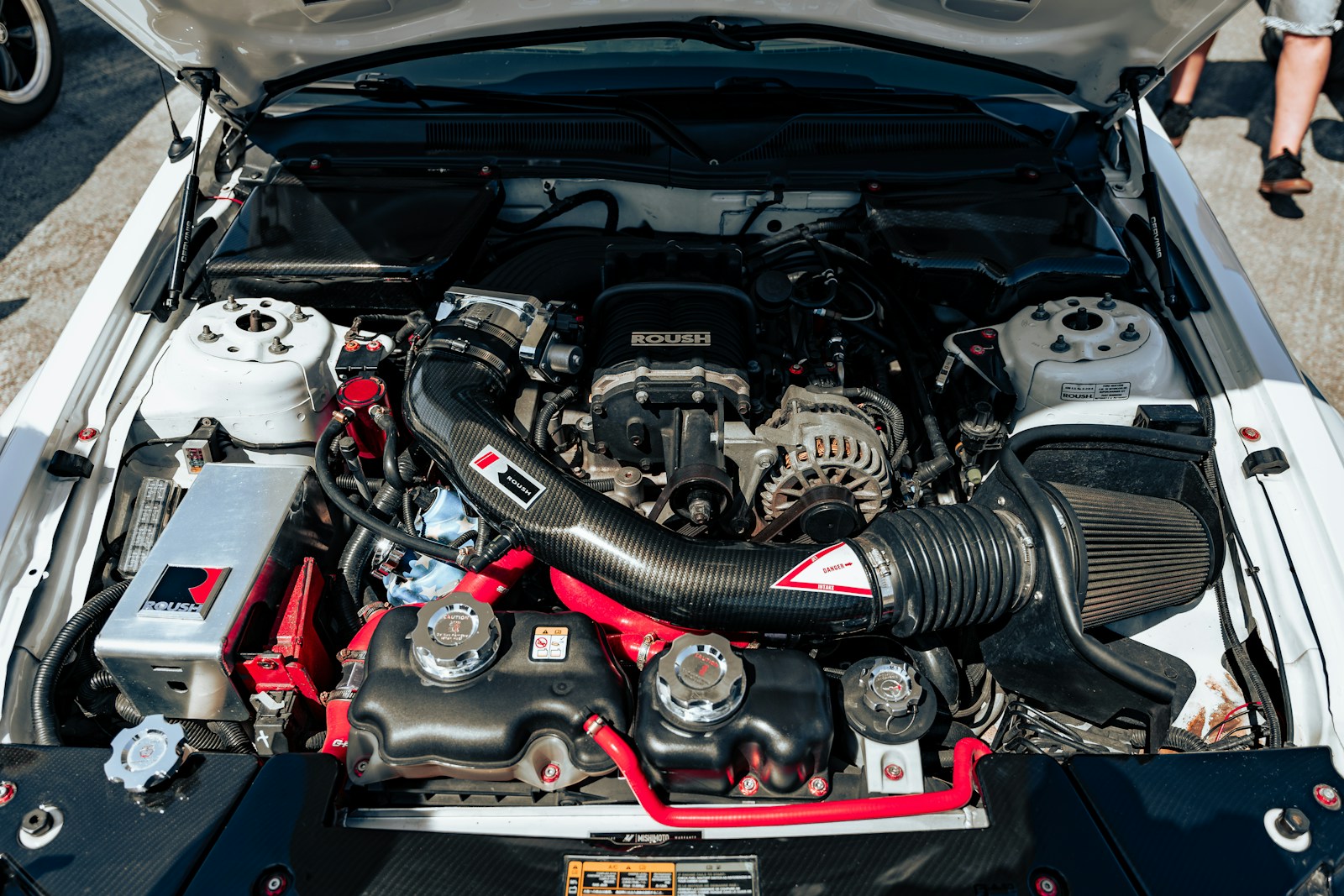
When it comes to automotive engineering, some engines have gained notorious reputations for their lack of reliability and performance. Mechanics often shake their heads when these engines show up in their shops, and for good reason. Here’s a rundown of some of the worst engines ever built that continue to haunt those who work on them.
1. Ford 6.0L Power Stroke
The Ford 6.0L Power Stroke diesel engine, produced from 2003 to 2007, is infamous for its myriad of issues. Mechanics frequently encounter problems like head gasket failures, EGR cooler leaks, and oil cooler clogs. These issues often lead to costly repairs and frustrated owners. Many mechanics have dubbed it one of the worst diesel engines ever made.
Despite its potential for power, the 6.0L Power Stroke requires extensive modifications and aftermarket solutions to make it reliable. This has left a lasting impression on the mechanic community, who often steer customers toward its more reliable counterparts.
2. Chrysler 2.7L V6
The Chrysler 2.7L V6 engine, found in several models like the Dodge Intrepid and Chrysler Sebring, has earned a bad rap due to its propensity for oil sludge buildup. Mechanics often find themselves cleaning engines that have gummed up beyond repair, and replacing them is not uncommon. The design flaws lead to significant oil starvation under normal conditions.
While some drivers love the engine’s smooth operation, the hidden maintenance costs can be a nightmare for mechanics who have to deal with the fallout. Many have learned to advise customers to keep a close eye on oil changes to avoid catastrophic failures.
3. Volkswagen 2.0T FSI
The Volkswagen 2.0T FSI engine may have delivered impressive performance, but its reliability has left much to be desired. Mechanics often report issues with the timing chain tensioner and carbon buildup on intake valves, leading to poor performance and costly repairs. The engine’s design, while compact, poses unique challenges during maintenance.
Despite being a popular choice among enthusiasts, the frequent need for repairs has earned this engine a spot on many mechanics’ lists of least favorite engines. The good news is that later versions have addressed some of these issues, but the earlier models still haunt many workshops.
4. GM 3.4L V6
The GM 3.4L V6 engine, used in various vehicles from the late ’90s to mid-2000s, is notorious for its head gasket failures and intake manifold leaks. Mechanics often see these engines come in with coolant mixing with oil, leading to catastrophic engine damage. The design flaws make it a challenging engine to work on.
While it had its moments of decent performance, the reliability issues have overshadowed its capabilities. Mechanics frequently advise caution to buyers considering older GM vehicles equipped with this engine.
5. Nissan VQ35DE
The Nissan VQ35DE engine has a reputation for great power and smooth operation, but it’s not without its faults. Mechanics often encounter problems with the timing chain and unwanted oil consumption. While many owners praise the performance, the reliability concerns have led to a fair share of headaches in the shop.
Common wear and tear on the VQ35DE can lead to significant repair bills, and mechanics frequently find themselves diagnosing issues that stem from poor maintenance practices. It’s a powerful engine that demands respect and diligence to keep running smoothly.
6. BMW N54
The BMW N54 engine was a revolutionary design, but its twin-turbo setup came with a host of issues that mechanics know all too well. Common problems include fuel injector failures and high-pressure fuel pump malfunctions, which can lead to performance issues and costly repairs. The complexity of the engine adds to the challenge of fixing these problems.
While it offers impressive performance in models like the 335i, the N54’s reputation for reliability is marred by these persistent issues. Mechanics often have to educate owners on the importance of regular maintenance to avoid costly breakdowns.
7. Subaru 2.5L SOHC
The Subaru 2.5L SOHC engine is another example of good intentions gone wrong. Known for head gasket failures and oil consumption issues, mechanics frequently see this engine in need of significant repairs. The head gasket issue is particularly notorious, often requiring extensive labor to resolve.
While Subaru enthusiasts love the brand for its all-wheel-drive capabilities, the 2.5L SOHC engine can be a sore spot for mechanics. Proper maintenance and monitoring can help mitigate some issues, but the engine’s reputation lingers in the repair bays.
These engines serve as a reminder that even in the world of automotive engineering, not all designs are created equal. Mechanics often find themselves dealing with the aftermath of poor engineering, and understanding these problematic engines can help consumers make informed decisions when purchasing vehicles.