

In the world of muscle cars, where power and performance are paramount, some models have not only failed to live up to expectations but have also faced significant issues that led to their downfall. This examination of seven of the worst muscle cars highlights how manufacturing missteps and poor engineering choices can tarnish the legacies of even the most iconic brands.
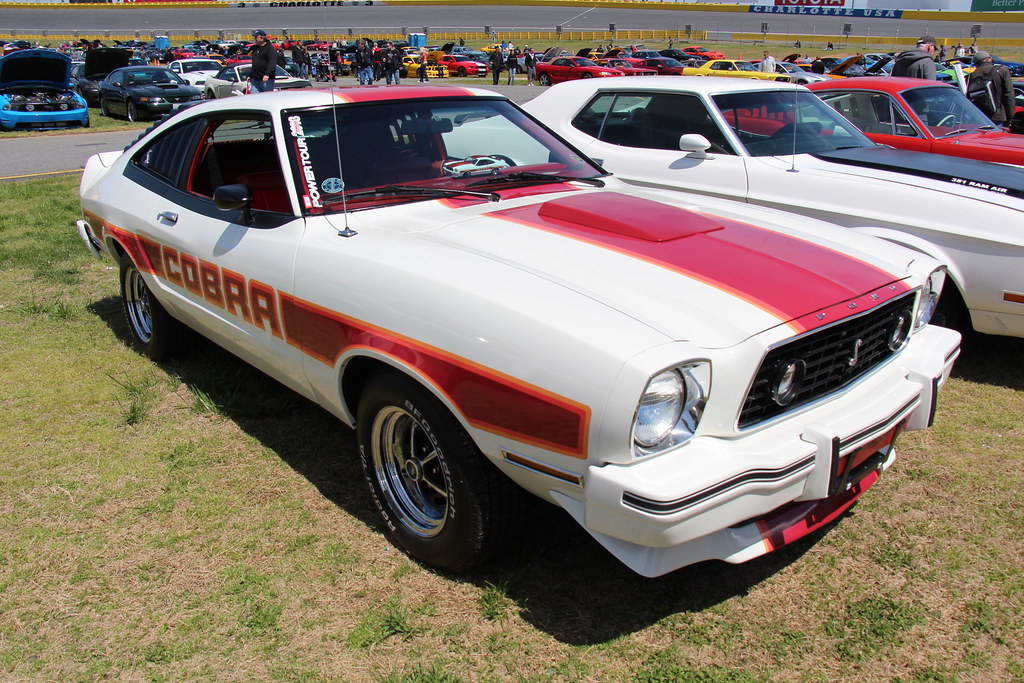
1. Ford Mustang II (1974–1978)
The Ford Mustang II, produced from 1974 to 1978, is often regarded as one of the weakest entries in the Mustang lineup. Designed during the oil crisis, this model was criticized for its lack of power, offering a mere 4-cylinder engine option. Despite Ford’s efforts to maintain the Mustang’s reputation, the II’s poor performance led to plummeting sales, with only about 400,000 units sold over its lifespan—far below the numbers of its predecessors.
2. Chevrolet Camaro (1982)
The 1982 Chevrolet Camaro faced a rocky start with its redesign, which aimed for a more fuel-efficient model amidst rising gas prices. However, the introduction of a 2.5-liter 4-cylinder engine left enthusiasts disappointed, as it struggled to provide the performance expected from a muscle car. Sales fell to just 76,000 units that year, showing a stark contrast to the 150,000 units sold in 1981.
3. Dodge Challenger (1970–1974)
While the original Dodge Challenger debuted to much fanfare in 1970, it quickly fell victim to changing automotive regulations and market demands. The introduction of stricter emissions standards and the oil crisis in the early 1970s led to a significant reduction in engine options and overall performance. By 1974, Dodge discontinued the Challenger with a production drop to just 11,000 units, marking a severe decline for a model that once symbolized American muscle.
4. Plymouth Barracuda (1970–1974)
The Plymouth Barracuda was another casualty of the muscle car decline, primarily due to its inability to adapt to changing consumer tastes. The 1970 model was a powerhouse, but by 1974, the introduction of smaller engines and diminished performance led to waning interest. In its final year, only 11,000 units were sold, a stark contrast to the 201,000 sold in its first year, demonstrating a significant shift in the market.
5. Pontiac Firebird (1977)
The 1977 Pontiac Firebird, while visually striking, suffered from performance issues that hampered its appeal. The transition to smaller engines and the removal of high-performance options meant that what once was a powerhouse became a mere shadow of its former self. Sales plummeted, with only 24,000 units sold that year, leading to widespread disappointment among fans of the brand.
6. Mercury Cougar (1977–1981)
The Mercury Cougar experienced a drastic transformation in the late 1970s, shifting from a muscle car to a more luxurious coupe. This change alienated many traditional muscle car enthusiasts, and the introduction of smaller engines only compounded the problem. By 1981, sales had dwindled to approximately 31,000 units, reflecting a significant decline in consumer interest and the brand’s inability to maintain its muscle car heritage.
7. Chevrolet Corvette C4 (1984–1996)
The Chevrolet Corvette C4, introduced in 1984, aimed to revitalize the Corvette brand but instead became synonymous with controversy. Initial models were plagued with issues ranging from electrical failures to engine problems, causing significant consumer dissatisfaction. Despite selling over 350,000 units throughout its production run, the C4’s early problems severely impacted its reputation, leading many enthusiasts to view it as a missed opportunity for Chevrolet.
Conclusion
The decline of these muscle cars underscores the volatility of the automotive market, where consumer preferences and regulatory changes can make or break a model. Each of these vehicles faced significant challenges that ultimately led to their poor reputations and diminished sales. For car enthusiasts and collectors, understanding the history of these vehicles is crucial, as it highlights the importance of performance and reliability in maintaining a brand’s legacy.
As the automotive industry continues to evolve, particularly with the rise of electric vehicles, it’s essential for consumers to remain informed about both current models and historical failures. Whether you’re a collector or simply a fan of muscle cars, knowing which models to avoid can save you from disappointment. Stay updated on automotive news to make informed decisions about your next vehicle purchase