
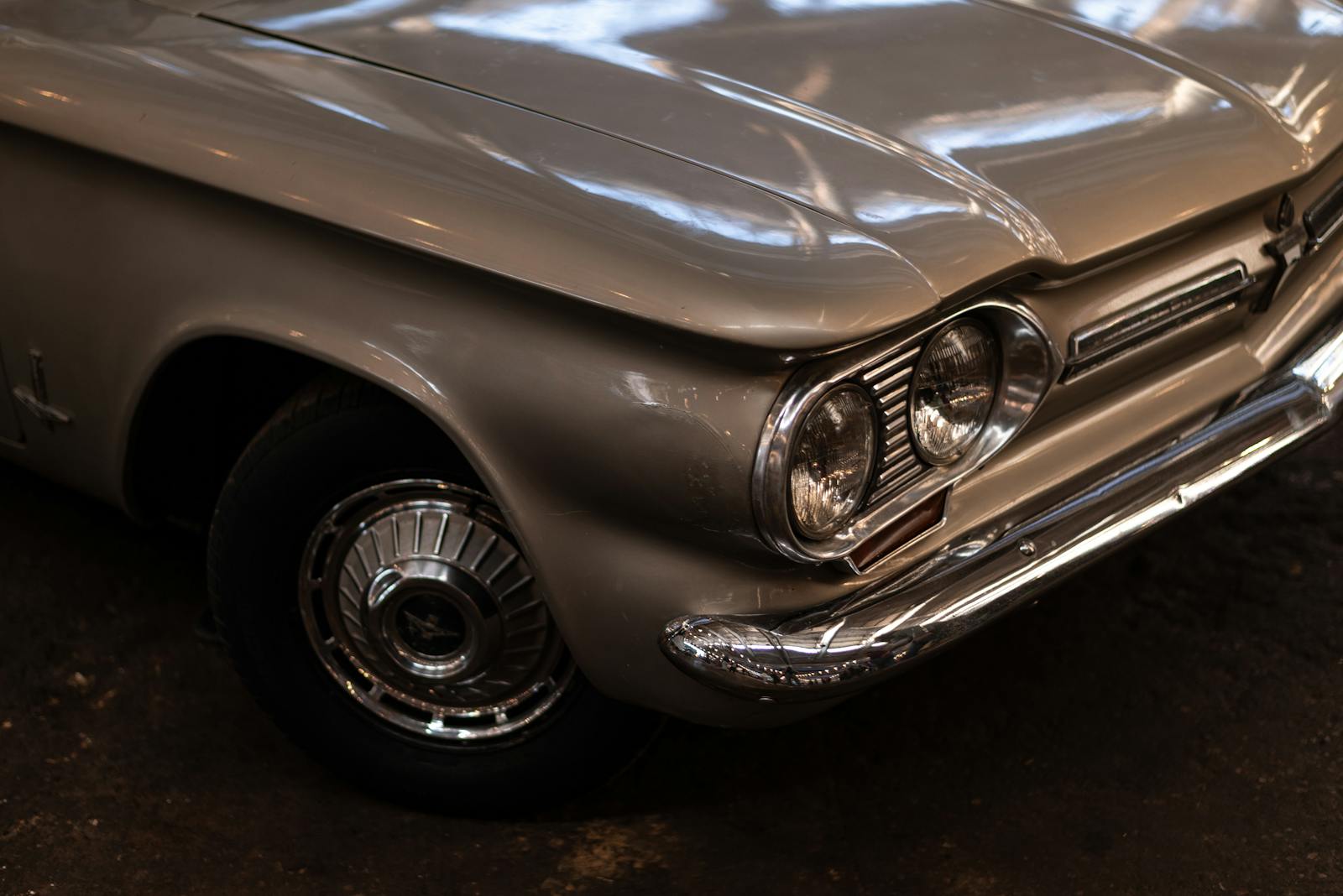

You love classic cars for their stories and style, but not every vintage Chevrolet earned its place in the garage. You’ll discover which seven Chevrolets stumbled in design, engineering, or timing — and why those missteps still matter today.
This article guides you through familiar names and surprising flops, from compact experiments to family sedans and vans, so you can spot the warning signs and appreciate what went wrong. Expect concise histories, key problems, and how these models fit into Chevrolet’s long, uneven legacy.
Chevrolet Corvair

You might recognize the Corvair for its rear-mounted air-cooled engine and unusual handling compared with typical American cars. Early models had suspension and stability issues that led critics, notably Ralph Nader, to call out safety concerns in the 1960s.
If you consider buying one, expect quirks like a light rear end and parts that can be harder to find. With careful restoration and knowledgeable driving, the Corvair can still be an interesting collector’s piece rather than a daily driver.
Chevrolet Vega
You might recognize the Vega as a compact 1970s Chevy that promised affordability and style.
Early models sold well, but many owners found rust and engine problems that hurt reliability and resale value.
You’ll notice the aluminum-subhead engine had cooling and durability issues in some builds.
That, combined with corrosion-prone bodywork, left many buyers frustrated and wary of long-term ownership.
Chevrolet Citation
You might remember the Citation as GM’s hurried answer to the compact front-wheel-drive wave of the late 1970s and early 1980s. It arrived with fresh thinking but exposed issues in build quality and reliability that frustrated owners quickly.
Your experience could include premature wear and steering or braking complaints that turned routine driving into a headache. For collectors, the Citation represents a cautionary piece of Chevrolet history rather than a desirable classic.
Chevrolet Astro Van
You may remember the Astro Van for its roomy interior and versatile cargo options.
That space came with trade-offs: certain years developed engine, suspension, and electrical issues that frustrated owners.
You might find the rear-wheel-drive layout useful, but crash-test and safety concerns from older models give pause.
If you’re considering one, inspect maintenance records closely and plan for potential repairs.
Chevrolet Malibu (vintage models)
You might expect every classic Malibu to charm, but some vintage years show design or reliability choices that haven’t aged well.
These models can demand frequent repairs and may lack parts, which raises ownership costs.
If you value ease of upkeep, steer toward better-documented years or modern restorations.
Inspect service histories closely and have a mechanic familiar with older Chevys check the car before you buy.
Chevrolet Chevette
You likely remember the Chevette as a no-frills subcompact that promised economy more than excitement.
Its small, underpowered engine and spartan interior made everyday driving plain, though it did save you money at the pump.
You might appreciate its affordability and simplicity if you want a basic, easy-to-fix car.
Many owners tolerated its flaws because it was cheap to buy and maintain, not because it was fun to drive.
Chevrolet Lova 1400
You might remember the Lova 1400 for its cramped interior and underwhelming performance compared with rivals of its era. Its 1.4‑liter engine struggled with acceleration, making highway merging feel tense.
Reliability was hit-or-miss; some owners reported frequent trips to the shop for simple fixes. Styling aimed for practicality over charm, so the car rarely turned heads.
More from Steel Horse Rides: