

Mechanics see what really ruins vehicles, so they are picky about what goes in their own cars. From “miracle” additives to everyday items that quietly destroy interiors, certain products simply are not worth the risk. If you want your car to last, treat these eight mechanic-approved no-go items as a checklist of what to keep out of your vehicle.
1) Skip the Mystery Fuel Additives
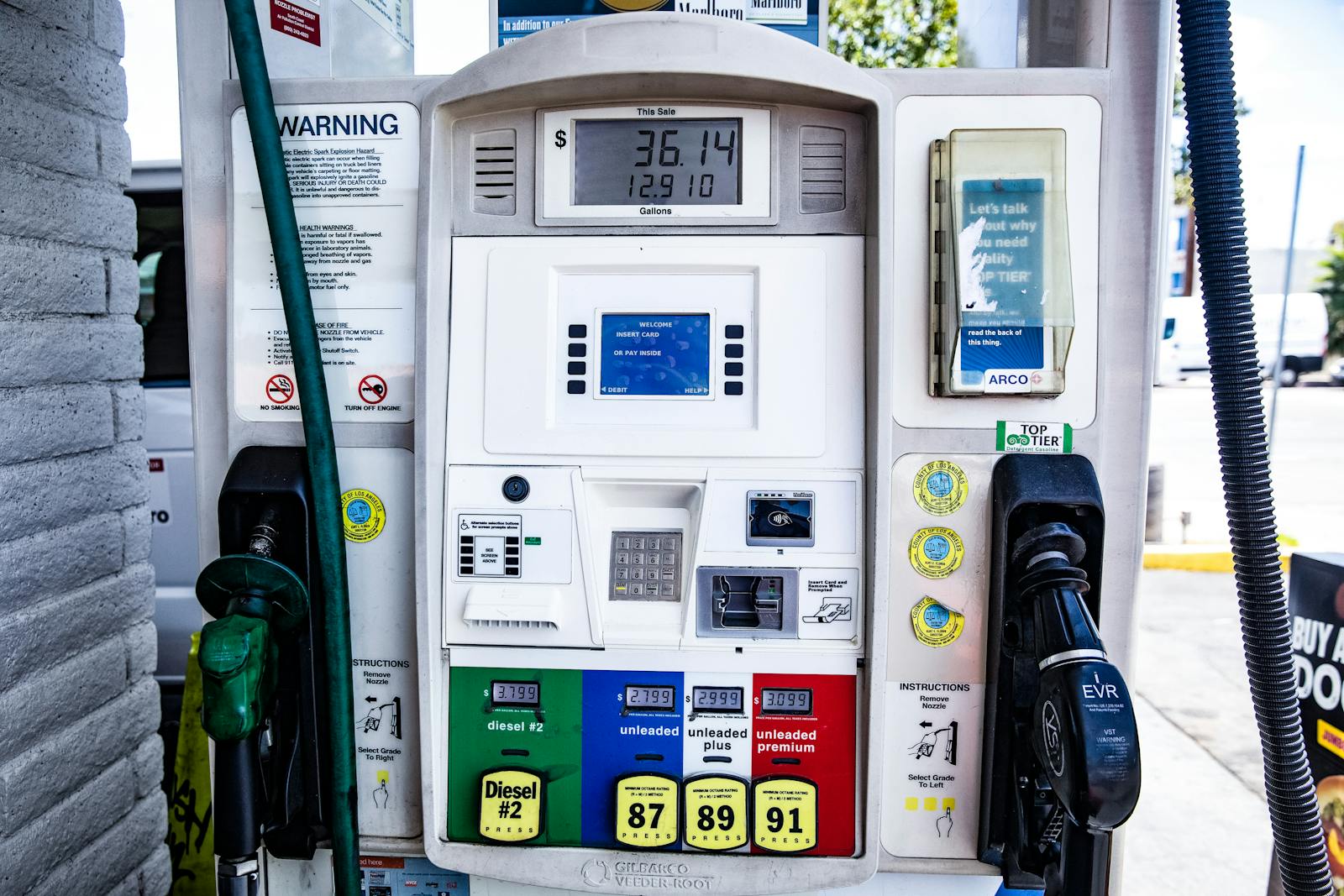
Skip the mystery fuel additives that promise instant power or better mileage but never explain what is in the bottle. Mechanics warn that untested products can leave sticky deposits on injectors and intake valves, especially in modern direct-injection engines, and that buildup can trigger rough idling, misfires, and expensive diagnostic work. In their own vehicles, they avoid generic pour-in solutions and instead rely on high-quality fuel and scheduled maintenance, a stance echoed in their firsthand experiences with damaged components.
Some additives are carefully engineered, but broad warnings in guides like 13 additives mechanics do not want you to use show how easy it is to pick the wrong one. When a product is not approved by your manufacturer and does not list clear specifications, you risk voiding warranties or masking underlying problems such as failing fuel pumps or clogged filters. The safer approach is to follow the fuel recommendations in your owner’s manual and address drivability issues with proper diagnostics instead of gambling on a mystery bottle.
2) Ditch Cheap Oil Filters
Ditch cheap oil filters that cut corners on filtration media and internal valves, because mechanics know those savings often show up later as engine wear. Bargain filters can bypass too early, collapse under pressure, or let abrasive particles circulate with every start-up, which is why professionals refuse to install them on their own cars according to Everyday Things You Shouldn, Leave, Your Car and related mechanic advice. When you are dealing with tight tolerances in engines like a 2.0-liter turbo in a Honda Civic or a 5.7-liter V8 in a Ram 1500, clean oil is nonnegotiable.
Instead of grabbing the cheapest filter on the shelf, mechanics look for parts that meet original equipment specifications, including proper micron ratings and anti-drainback valve design. They also pair quality filters with the correct oil weight and change intervals, rather than stretching service to save a few dollars. The long-term stakes are clear, because a neglected filter can contribute to sludge, stuck piston rings, and timing chain wear, all of which cost far more than a premium filter at your next oil change.
3) Avoid Stop-Leak Products for Transmissions
Avoid stop-leak products for transmissions, even if the label promises to fix drips without a wrench. Mechanics see these sealants thicken fluid, swell rubber seals unpredictably, and sometimes clog narrow passages in valve bodies, which is why they refuse to pour them into their own gearboxes as outlined in 15 Everyday Things You Shouldn’t Leave in Your Car and similar cautionary lists. Automatic transmissions in vehicles like a Toyota Camry or Ford Explorer rely on precise hydraulic control, and contaminated fluid can quickly turn a minor seep into a full rebuild.
Instead of masking the problem, professionals track down the actual source of a leak, whether it is a pan gasket, axle seal, or cooler line, and repair it with proper parts. They also stress that manufacturers specify exact fluid types, such as ATF+4 or Mercon LV, and that mixing in thick stop-leak formulas can alter friction characteristics and shift quality. For you, the implication is simple, because a small leak caught early is usually manageable, while a transmission damaged by additives can total an older car’s value.
4) No to Generic Phone Mounts
Say no to generic phone mounts that wobble, block your view, or fall off the windshield at the worst moment. Mechanics who drive all day know that flimsy hands-free setups can be just as distracting as holding a phone, which is why they favor solid, vehicle-specific solutions instead of the cheapest clip-on option. Guides to hands-free driving devices highlight how poorly designed mounts can interfere with airbags, vents, or essential controls, turning a convenience accessory into a safety hazard.
In practical terms, a mount that lets your phone swing or drop can tempt you to grab it mid-drive, taking your eyes off the road for several seconds. Mechanics prefer mounts that lock into CD slots, dash seams, or MagSafe-style plates that keep screens stable and within a quick glance. For everyday drivers, investing in a secure mount reduces distraction, protects interior trim from adhesive damage, and helps you comply with hands-free laws without compromising control of the vehicle.
5) Steer Clear of Aftermarket GPS Units Without Proper Wiring
Steer clear of aftermarket GPS units that are hardwired without proper planning, because sloppy installations can create electrical gremlins that are difficult to trace. Mechanics routinely repair cars where navigation screens were tapped into random circuits, leading to blown fuses, parasitic battery drains, or even melted wiring, which is why they never install unverified electronics in their own vehicles as described in bad car behaviors that professionals avoid. Modern vehicles with CAN bus networks are especially sensitive to unauthorized splices.
Instead of improvising, professionals use dedicated accessory circuits, fused add-a-taps, and sometimes vehicle-specific harnesses that maintain factory protections. They also check current draw so a GPS unit or dash cam does not keep modules awake after shutdown, which can drain a battery overnight. For you, the risk is not just a dead battery, but intermittent issues like flickering lights or disabled safety systems that can cost hours of diagnostic labor, far outweighing any savings from a quick DIY wiring job.
6) Don’t Leave Sunscreen or Lotions in the Glovebox
Do not leave sunscreen or lotions in the glovebox, center console, or door pockets, especially in hot weather. Mechanics see the aftermath when these products overheat, expand, and burst, soaking wiring, switches, and upholstery with oily residue that is difficult to remove. Lists of things you should not leave in your car specifically call out heat-sensitive items like cosmetics and medications, which can degrade or leak when interior temperatures climb far above outside air.
Beyond the mess, spilled lotions can stain leather, soften plastics, and leave slippery films on steering wheels or pedals that affect control. Mechanics often have to remove panels or replace trim when spills seep into seams or electrical connectors, turning a forgotten bottle into a costly repair. For drivers, the safer habit is to carry these products in a small bag you take with you, protecting both your interior and the effectiveness of anything that is sensitive to heat.
7) Pass on Universal Battery Chargers
Pass on universal battery chargers that claim to work with every chemistry and voltage but provide little detail about how they regulate current. Mechanics avoid hooking these devices to their own vehicles, because mismatched charging profiles can overheat batteries, fry delicate control modules, or confuse smart charging systems, a concern reflected in their no-go list of risky car habits. Late-model cars with start-stop systems and absorbed glass mat batteries are particularly vulnerable.
Instead, professionals choose chargers that are explicitly rated for the battery type and that include microprocessor-controlled stages for bulk, absorption, and float charging. They also connect chargers at approved jump posts rather than directly to sensitive components, following manufacturer procedures. For everyday owners, using the wrong charger can shorten battery life, trigger warning lights, or damage expensive electronics, so it is worth matching the charger to your vehicle instead of trusting a one-size-fits-all gadget.
8) Forget About DIY Air Fresheners That Drip
Forget about DIY air fresheners that drip oils or concentrated fragrances onto your dash, vents, or console. Mechanics have seen homemade jars, soaked cotton pads, and overfilled hanging fresheners leak onto plastics and fabrics, leaving permanent stains and warped surfaces. Guides to Everyday Things You Shouldn, Leave, Your Car warn that even small containers of scented liquids can burst or tip in a hot cabin, and those spills are notoriously hard to clean from textured materials.
Instead of open containers, professionals recommend solid or sealed options that clip securely and cannot tip over, or simply keeping the interior clean so you do not need heavy fragrances. They also caution that strong scents can mask warning odors like burning oil, coolant leaks, or overheating brakes that should prompt immediate inspection. For you, avoiding drippy fresheners protects interior surfaces, preserves resale value, and keeps your nose available to detect real mechanical problems before they escalate.