
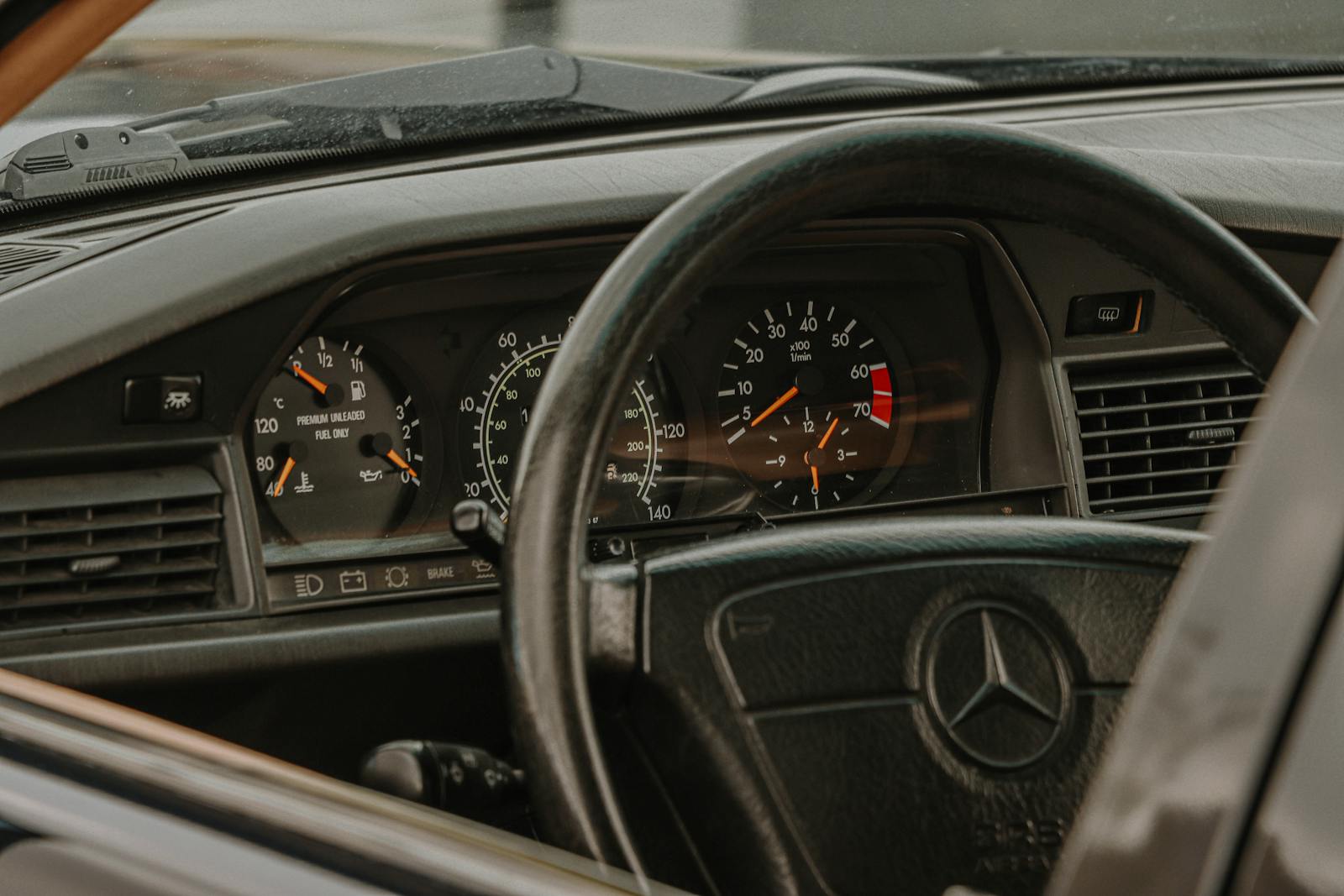

With rising fuel prices and increasing environmental concerns, consumers are becoming more conscious of fuel economy claims made by car manufacturers. However, some of these claims have come under scrutiny, leading to questions about their accuracy. Here’s a look at eight cars whose fuel economy figures have raised eyebrows.
1. Ford F-150
The Ford F-150 has long been touted for its impressive fuel efficiency, especially with its EcoBoost engines. However, independent tests have shown that real-world mileage often falls short of the manufacturer’s claims. Factors like payload and driving conditions can heavily influence fuel consumption, leaving some owners disappointed.
While the F-150 remains a popular choice for truck enthusiasts, prospective buyers should consider conducting their own research on fuel performance. Checking user reviews and real-world mileage reports can provide a clearer picture beyond the glossy brochure numbers.
2. Honda Civic
The Honda Civic is a staple in the compact car segment, celebrated for its reliability and efficiency. However, some recent models have faced scrutiny over their fuel economy ratings, with some drivers reporting significantly lower mileage than advertised. This discrepancy has sparked discussions about the testing methods used to determine these figures.
Potential buyers should be cautious and look for feedback from current owners regarding their experiences. It can be beneficial to assess real-world driving conditions and consider how they align with the manufacturer’s claims before making a purchase.
3. Volkswagen Jetta
The Volkswagen Jetta has been a popular choice for those seeking a balance of performance and efficiency. Yet, after the diesel emissions scandal, trust in the brand’s fuel economy claims has waned. Many consumers are now skeptical about the accuracy of the advertised figures.
For those considering the Jetta, it’s wise to look at third-party reviews and user experiences to gauge the car’s actual fuel economy. Understanding how the vehicle performs in various driving conditions can help avoid disappointment after the purchase.
4. Nissan Altima
The Nissan Altima has marketed itself as a fuel-efficient sedan, but some drivers have reported fuel economy that doesn’t match expectations. Issues with the continuously variable transmission (CVT) in certain models may contribute to less-than-ideal fuel performance.
If you’re eyeing the Altima, pay attention to consumer feedback and expert reviews focusing on fuel efficiency. Real-world data can provide crucial insights that the manufacturer’s claims might overlook.
5. Hyundai Sonata
The Hyundai Sonata has gained attention for its stylish design and claimed fuel efficiency. However, some models have faced criticism for not delivering the expected mileage, especially under mixed driving conditions. This discrepancy can stem from variations in engine performance and transmission settings.
6. Kia Forte
The Kia Forte is another contender in the compact car market, often praised for its affordability and claimed fuel efficiency. However, some owners have reported fuel economy figures that fall short of the advertised specs. This inconsistency raises questions about the accuracy of the testing methods used.
7. Chevrolet Malibu
The Chevrolet Malibu has marketed itself as a fuel-efficient midsize sedan. Nevertheless, some consumers have found that their actual fuel economy does not match the manufacturer’s claims, leading to dissatisfaction among drivers who expected better efficiency.
8. Subaru Outback
The Subaru Outback is known for its ruggedness and versatility, but its fuel economy claims have also faced scrutiny. Many drivers have found that, while the Outback performs well in various terrains, the fuel consumption figures advertised are often not attainable in real-world conditions.
In conclusion, while manufacturers often tout impressive fuel economy figures, it’s essential for consumers to remain vigilant and do their homework. By seeking out real-world experiences and independent reviews, you can make a more informed decision that aligns with your fuel efficiency needs.
More from Steel Horse Rides: