

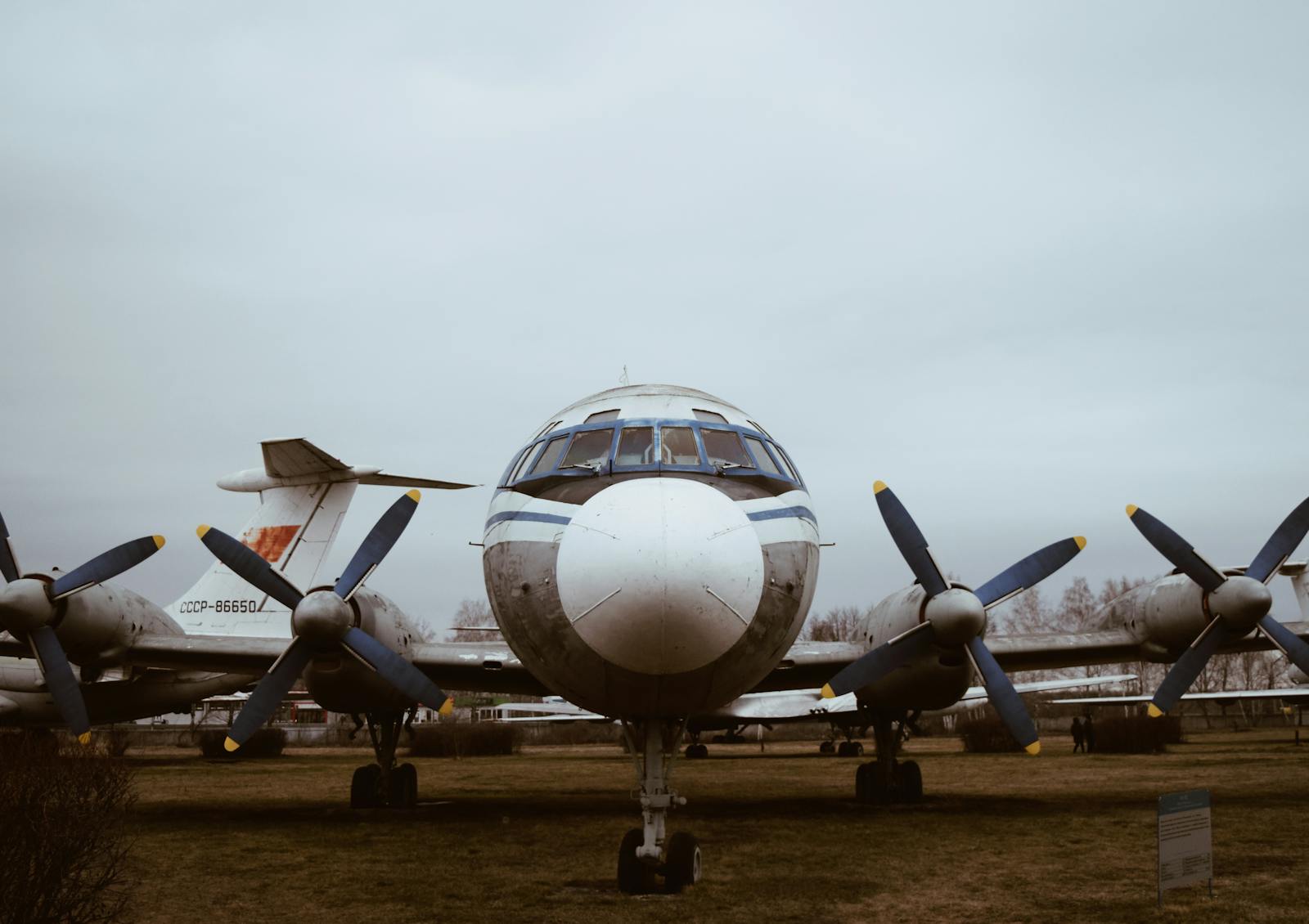
The Cold War, spanning from 1947 to 1991, was marked by a series of geopolitical tensions between the United States and the Soviet Union, culminating in a profound arms race that transformed military aviation. Eight specific aircraft not only played pivotal roles in this conflict but also shaped future military aviation technologies and strategies. Understanding these planes offers insight into the technological advancements and military strategies that characterized the era.
1. Boeing B-52 Stratofortress (1955)
The Boeing B-52 Stratofortress, first introduced in 1955, became a cornerstone of U.S. strategic air power. With a wingspan of 185 feet and the ability to carry nuclear weapons, the B-52 was designed to penetrate enemy defenses and deliver payloads over intercontinental distances. Over 700 units were built, and this aircraft remains in service today, showcasing its enduring relevance in military strategy.
2. Lockheed U-2 (1955)
Initially taking flight in 1955, the Lockheed U-2 was designed for high-altitude reconnaissance missions. Capable of flying at altitudes exceeding 70,000 feet, the U-2 provided critical intelligence during the Cold War, most notably during the Cuban Missile Crisis in 1962. Its ability to gather detailed imagery of enemy installations made it an invaluable asset for the U.S. military.
3. McDonnell Douglas F-4 Phantom II (1960)
Entering service in 1960, the McDonnell Douglas F-4 Phantom II was a versatile fighter jet that served in various capacities, including air superiority and ground attack. With over 5,000 units produced, it played significant roles in the Vietnam War and was used by several NATO allies. The F-4’s advanced radar and missile systems paved the way for modern air combat tactics.
4. Lockheed SR-71 Blackbird (1966)
The Lockheed SR-71 Blackbird, introduced in 1966, remains one of the fastest aircraft ever built, capable of speeds exceeding Mach 3. Its design enabled it to fly at altitudes of 85,000 feet, far beyond the reach of enemy missiles. The SR-71 was crucial for reconnaissance missions throughout the Cold War, gathering intelligence that shaped U.S. military strategies.
5. Northrop F-5 Freedom Fighter (1964)
The Northrop F-5 Freedom Fighter, which first flew in 1964, was designed as a lightweight, low-cost fighter jet suitable for export to allied nations. More than 2,600 units were sold to various countries, making it a staple in many air forces around the world. Its simplicity and effectiveness in combat situations made it a popular choice during the Cold War and beyond.
6. Boeing KC-135 Stratotanker (1957)
The Boeing KC-135 Stratotanker, introduced in 1957, revolutionized air mobility by providing in-flight refueling capabilities to military aircraft. This aircraft allowed bombers and fighters to extend their operational range, significantly enhancing U.S. air power during the Cold War. Over 800 KC-135s were built, and they continue to be an essential part of the U.S. Air Force’s logistical capabilities today.
7. Mikoyan-Gurevich MiG-21 (1959)
The Mikoyan-Gurevich MiG-21, which first flew in 1959, became one of the most widely produced supersonic jets in history, with over 11,000 units manufactured. Used extensively by Soviet and allied forces during the Cold War, the MiG-21’s simple design and high maneuverability made it a formidable adversary. Its impact was felt in numerous conflicts, including the Vietnam War, where it clashed with American aircraft.
8. Lockheed Martin F-117 Nighthawk (1983)
Entering service in 1983, the Lockheed Martin F-117 Nighthawk was the world’s first operational stealth aircraft. Its unique design allowed it to evade radar detection, making it a key asset in precision bombing campaigns during the Gulf War. The F-117 represented a significant technological leap in military aviation, influencing the design of future aircraft and changing the landscape of aerial combat.