

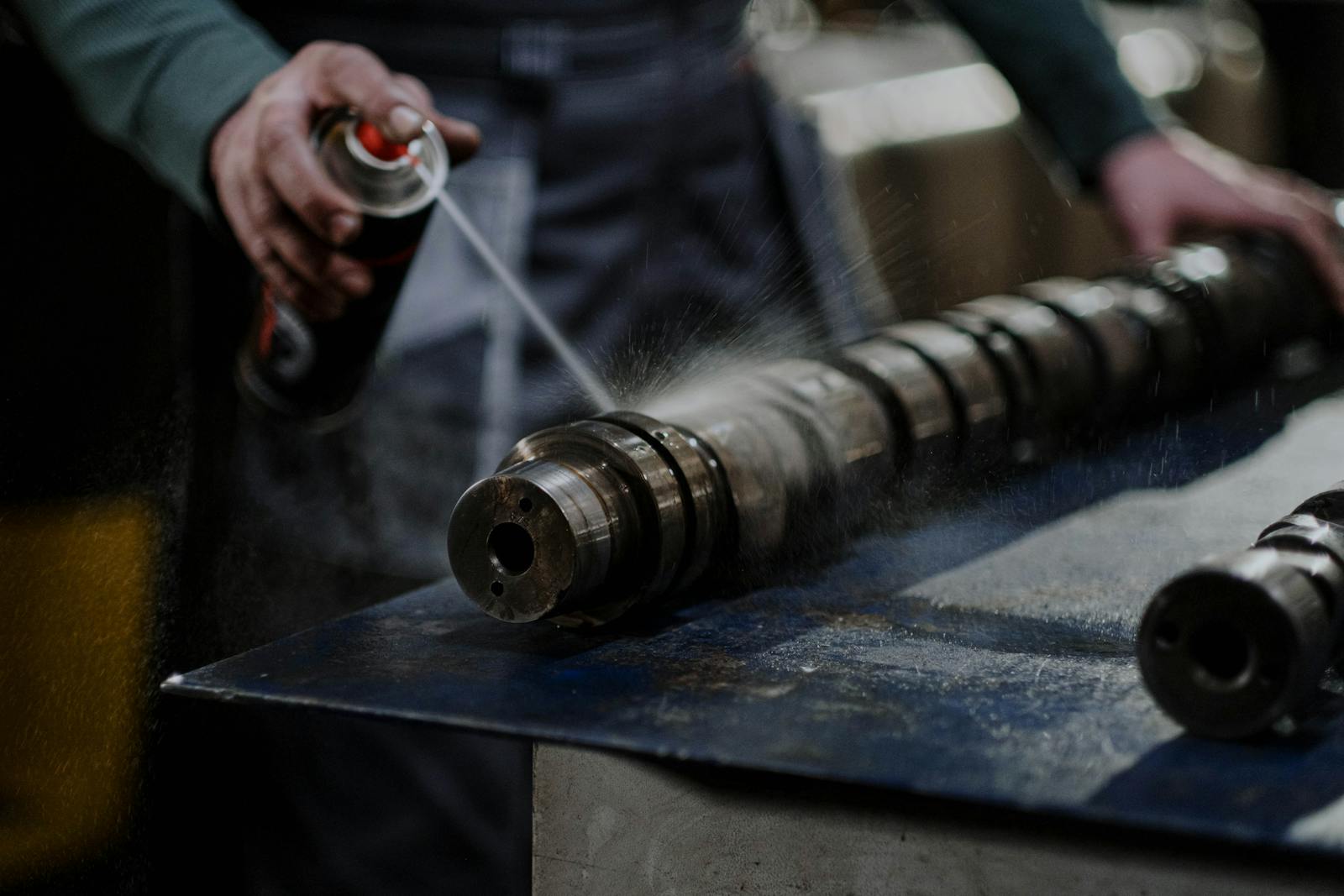
Recent findings have revealed that certain engine degreasers can cause significant damage to vehicle paint, impacting car owners who rely on these products for maintenance. As the automotive care industry grows, consumers must be aware of the potential risks associated with using specific degreasers, especially those formulated with harsh chemicals. This issue matters because vehicle paint damage can lead to costly repairs and reduced resale value.
Understanding the Risks of Engine Degreasers
Engine degreasers are essential for keeping vehicles running smoothly by removing grease, oil, and dirt from the engine compartment. However, the chemical composition of some degreasers can also pose a serious threat to the car’s exterior finish. Commonly used components, such as sodium hydroxide and other caustic agents, can strip away the protective layers of paint, leading to discoloration and peeling.
Top 8 Engine Degreasers to Avoid
Below is a list of eight engine degreasers known to damage paint, along with details about their formulations and the specific risks they pose:
1. SuperClean Automotive Degreaser
SuperClean Automotive Degreaser is popular for its powerful cleaning capabilities but contains sodium hydroxide. This ingredient can etch paint surfaces, especially if left in contact with the paint for too long. Users should be cautious when applying this product around painted surfaces.
2. Gunk Engine Degreaser
Gunk Engine Degreaser has been a staple in many garages, but its formulation includes solvents that can soften and degrade automotive paint. Users have reported issues with discoloration and loss of gloss when accidentally overspraying onto the car’s exterior. This product should be used with extreme caution.
3. Purple Power Degreaser
Purple Power is effective in removing grime but contains highly alkaline properties that can lead to paint deterioration. Regular exposure to this degreaser can result in faded paint and compromised clear coats. Car owners should consider using it only in well-ventilated areas and keep it away from painted surfaces.
4. Castrol Super Clean
Castrol Super Clean is known for its heavy-duty cleaning action, but it also includes harsh solvents that can adversely affect paint. Users have reported that prolonged exposure to the degreaser can cause staining and discoloration, particularly on darker paint colors. It’s advisable to avoid this product for regular engine cleaning.
5. Simple Green Pro HD Cleaner
While marketed as a biodegradable option, Simple Green Pro HD Cleaner contains ingredients that may react negatively with automotive paint. Some users have experienced cloudiness and fading after using this product around their cars. It’s crucial to test any cleaner in an inconspicuous area before full application.
6. Zep Heavy-Duty Citrus Degreaser
Zep Heavy-Duty Citrus Degreaser is appreciated for its natural citrus-based formula, but it can still damage paint if not used carefully. The degreaser can strip wax and sealants, leading to dull finish issues. Car enthusiasts are advised to use it sparingly and to follow up with a paint-safe wax.
7. Krud Kutter Cleaner
Krud Kutter Cleaner is effective at removing stubborn stains but is also known for its high acidity levels. The acidic components can wear down the vehicle’s paint over time, especially with repeated application. Users should take extra precautions and avoid direct contact with painted surfaces.
8. Brake Parts Cleaner
Although not a traditional engine degreaser, many car owners mistakenly use brake parts cleaner for engine maintenance. This product contains strong solvents that can quickly damage paint, leading to irreversible effects on the vehicle’s exterior. It is crucial to read labels and use products specifically designed for engine cleaning rather than repurposing brake cleaners.
Protecting Your Vehicle’s Paint
To protect your vehicle’s paint while using engine degreasers, consider the following precautions: always read the labels and understand the ingredients, use protective coverings for painted surfaces, and apply degreasers in well-ventilated areas to minimize risk. It is also advisable to conduct tests on less visible areas before applying any new product broadly.
Conclusion: Stay Informed to Protect Your Investment
In conclusion, while engine degreasers play a crucial role in vehicle maintenance, car owners must be vigilant about the products they choose. The eight degreasers listed above have been linked to paint damage and should be approached with