
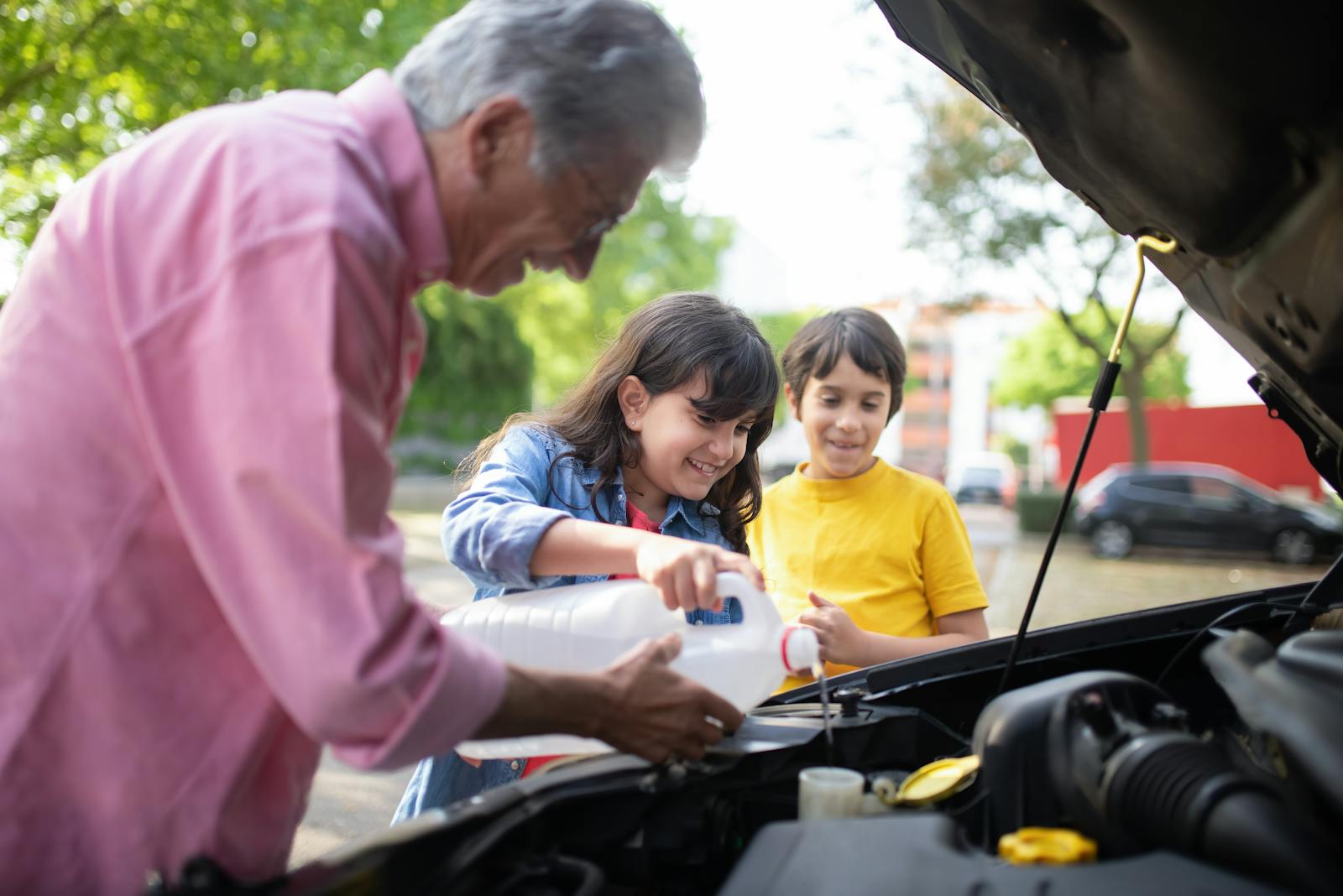

When it comes to engine performance, overheating can be a serious issue that affects reliability and longevity. Some engine types are more prone to overheating than others due to their design, materials, or operational parameters. Here’s a look at eight engine types that might give you more heat than you bargained for.
1. Small Displacement Turbocharged Engines
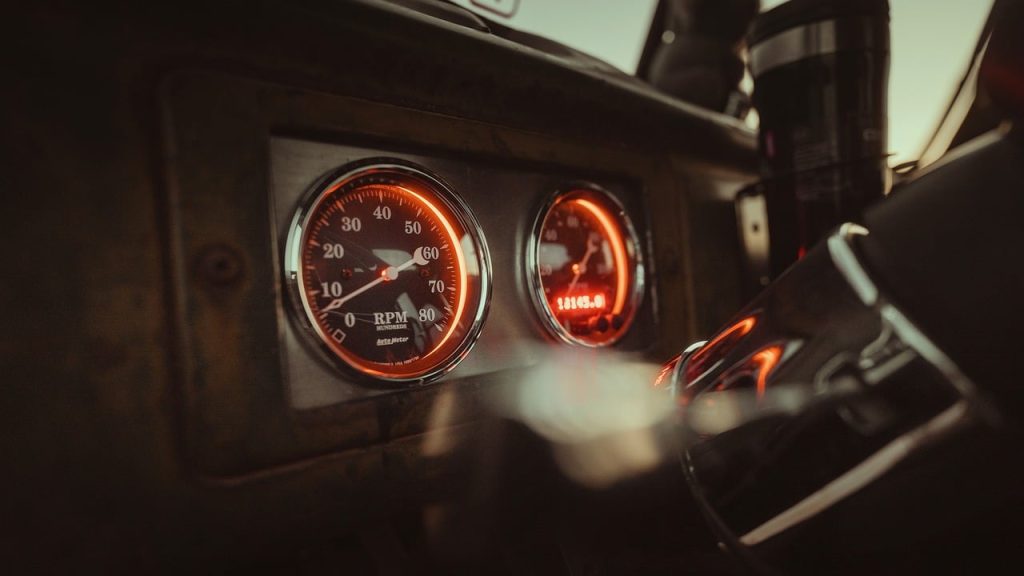
Small displacement turbocharged engines are known for producing impressive power from a compact size. However, their reliance on forced induction means they can generate excessive heat, especially when pushed hard. The turbocharger itself adds to the thermal burden, making heat management crucial.
These engines often require higher octane fuel and regular maintenance to prevent overheating. If not carefully monitored, they can lead to catastrophic failures, including warped cylinder heads and blown gaskets.
2. Diesel Engines with EGR Systems
While diesel engines are robust, those equipped with Exhaust Gas Recirculation (EGR) systems can be prone to overheating. The EGR system recirculates exhaust gases to reduce emissions, but this can lead to higher combustion temperatures and increased heat in the engine.
Inadequate cooling systems or clogged EGR passages can exacerbate this issue. Regular maintenance and monitoring of the cooling system are essential to keep these engines running smoothly and prevent overheating.
3. High-Performance Racing Engines
Racing engines are built for speed and power, but this comes at a cost: they often run at higher temperatures. The materials and designs used in these engines prioritize performance over longevity, making them susceptible to overheating during extended use.
Heat exchangers and cooling systems must be finely tuned to cope with the extreme conditions of racing. Without proper management, even the toughest racing engine can suffer from thermal breakdown and performance loss.
4. Older Air-Cooled Engines
Air-cooled engines, once popular in classic cars and motorcycles, are often less efficient at managing heat than their liquid-cooled counterparts. These engines rely on airflow for cooling, which can be compromised in stop-and-go traffic or during prolonged idling.
Maintenance of cooling fins and ensuring proper airflow is critical. Owners should be vigilant about potential overheating, especially during hot weather or extended use, to avoid engine damage.
5. Engines with Variable Valve Timing
Engines equipped with variable valve timing (VVT) systems offer improved performance and efficiency but can also run hot if not properly calibrated. The mechanisms that adjust valve timing can create additional friction and heat, especially under heavy loads.
Regular checks of the VVT system and maintaining proper oil levels can mitigate overheating risks. Ignoring these maintenance tasks can lead to mechanical failures and costly repairs.
6. Rotary Engines
Rotary engines, known for their unique design and compact size, can struggle with heat dissipation. Their design features a smaller surface area for cooling, which can lead to overheating if not managed effectively.
These engines require specialized cooling systems and regular maintenance to ensure they operate within safe temperature ranges. Without adequate cooling, rotary engines can suffer severe damage, making vigilance essential.
7. Supercharged Engines
Similar to turbocharged engines, supercharged engines can produce significant power but at the cost of increased heat generation. The supercharger compresses air to increase engine output, which also raises the combustion temperature.
Ensuring that the cooling system is up to par is crucial for these engines. If not monitored, overheating can lead to severe engine damage, making regular maintenance a necessity for high-performance supercharged engines.
8. Inline Engines with Poor Cooling Design
Some inline engines have designs that make cooling less effective, particularly those with a long block configuration. The layout can result in uneven heat distribution, leaving certain areas prone to overheating.
To counteract this, ensure that the cooling system is regularly flushed and maintained. Proper coolant levels and circulation are critical in preventing localized overheating and ensuring the engine remains reliable.
Choosing the right engine type requires understanding the potential overheating risks involved. By staying aware of these eight types and their characteristics, you can make informed decisions and maintain your vehicle effectively. Regular maintenance is key to preventing overheating and ensuring your engine runs smoothly for years to come.
More from Steel Horse Rides: