

Despite the passage of over 75 years since the end of World War II, eight iconic aircraft from that era remain operational today, captivating aviation enthusiasts and historians alike. These planes not only serve as a tribute to the bravery of those who flew them but also represent significant advancements in aviation technology. Their continued flight status highlights the enduring legacy of military aviation and the importance of preserving history for future generations.
The B-17 Flying Fortress
The Boeing B-17 Flying Fortress, first introduced in 1938, is one of the most recognizable bombers from WWII. Known for its durability and ability to sustain heavy damage, this four-engine bomber played a crucial role in strategic bombing campaigns over Europe. Today, several B-17s are still in the air, with the Commemorative Air Force and the Experimental Aircraft Association operating flying examples. These planes are often featured in airshows and flyovers, educating the public about their storied past.
The P-51 Mustang
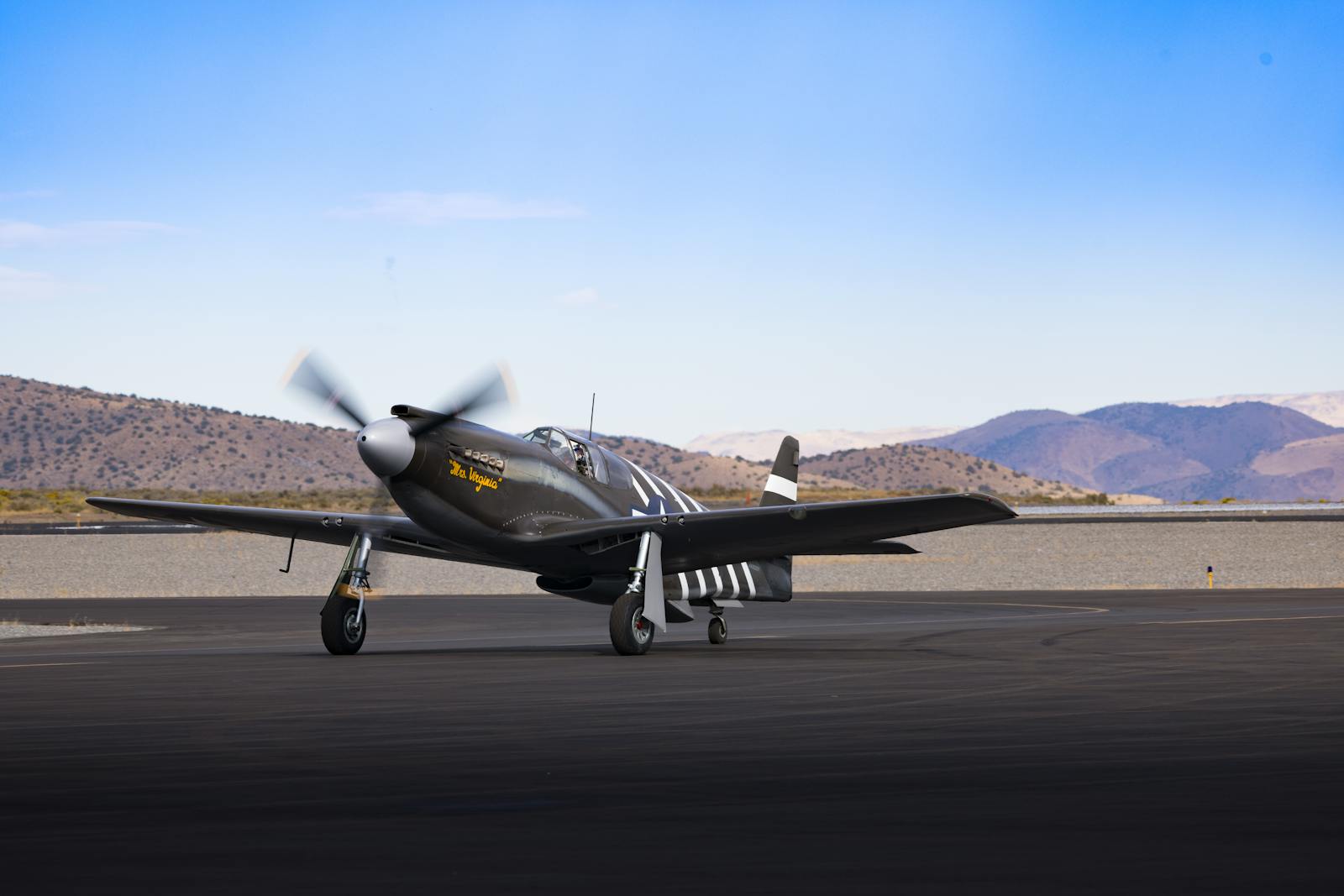
The North American P-51 Mustang, which first flew in 1940, is celebrated for its speed and range, making it one of the most effective fighter aircraft of the war. It was instrumental in gaining air superiority over the European theater. Currently, there are around 150 P-51 Mustangs still flying worldwide, with private collectors and museums maintaining them in airworthy condition. Annual airshows often feature these planes, showcasing their impressive performance and historical significance.
The C-47 Skytrain
The Douglas C-47 Skytrain, a military version of the DC-3, was used extensively for troop transport and cargo during WWII. First flown in 1935, this aircraft played a vital role in the D-Day invasion and subsequent operations. Today, many C-47s are still operational, used for cargo flights and aerial tours. Organizations like the D-Day Squadron often restore these aircraft to honor their contributions while educating the public about their role in the war.
The Spitfire
The Supermarine Spitfire is another iconic aircraft that has captured the imagination of aviation enthusiasts. First introduced in 1936, this British fighter plane is renowned for its role in the Battle of Britain. While hundreds were produced, only about 50 Spitfires are currently airworthy. Various aviation museums and private collectors maintain these planes, ensuring that they continue to fly and honor the legacy of those who defended the skies.
The Lancaster Bomber
The Avro Lancaster, a British four-engine heavy bomber, was instrumental in numerous bombing campaigns, including the famous “Dambusters” raid. First flown in 1941, only two Lancasters remain operational today. These planes are primarily used for educational purposes and are often showcased at airshows across the UK. Their continued flight serves as a reminder of the sacrifices made by the RAF during the war.
The F4U Corsair
The Vought F4U Corsair is an American fighter aircraft that gained fame for its distinctive gull wing design and unmatched performance in the Pacific Theater. First flown in 1940, the Corsair was a favorite among pilots due to its speed and firepower. Today, approximately 30 Corsairs are still flying, with many restored by private collectors and aviation organizations. They are often featured in airshows, where their impressive aerobatics captivate audiences.
The TBM Avenger
The Grumman TBM Avenger, a torpedo bomber used by the U.S. Navy during WWII, is another aircraft that has withstood the test of time. First introduced in 1941, it was one of the most effective torpedo bombers of the war. Today, around 40 TBM Avengers are still operational, with many being restored by dedicated enthusiasts. These aircraft participate in various events, underscoring their historical significance and the engineering ingenuity of their design.
The Messerschmitt Bf 109
The Messerschmitt Bf 109 was the backbone of the Luftwaffe and one of the most advanced fighters of its time. First flown in 1935, it was a versatile aircraft used in various roles throughout the war. While fewer than a dozen Bf 109s are currently flying, they are maintained by collectors and museums dedicated to preserving WWII aviation history. Their presence at airshows provides a rare opportunity to witness this piece of history in action.