

In the world of SUVs, power and weight are crucial factors that can make or break the driving experience. While many manufacturers are pushing out vehicles with impressive horsepower, some models fall short with engines that simply can’t keep up with their heft. Here’s a look at eight SUVs that have engines too small for their weight, making them less than ideal for those who crave performance.
1. Honda CR-V

The Honda CR-V is often hailed for its reliability and practicality, but its engine options can feel lackluster, especially in the heavier configurations. With a standard 1.5-liter turbocharged four-cylinder engine, the CR-V struggles to deliver the power needed for quick acceleration and highway merges.
This lack of grunt can lead to a frustrating driving experience, particularly when fully loaded with passengers or cargo. While it excels in fuel efficiency, those seeking a robust performance may find themselves wanting more from this popular compact SUV.
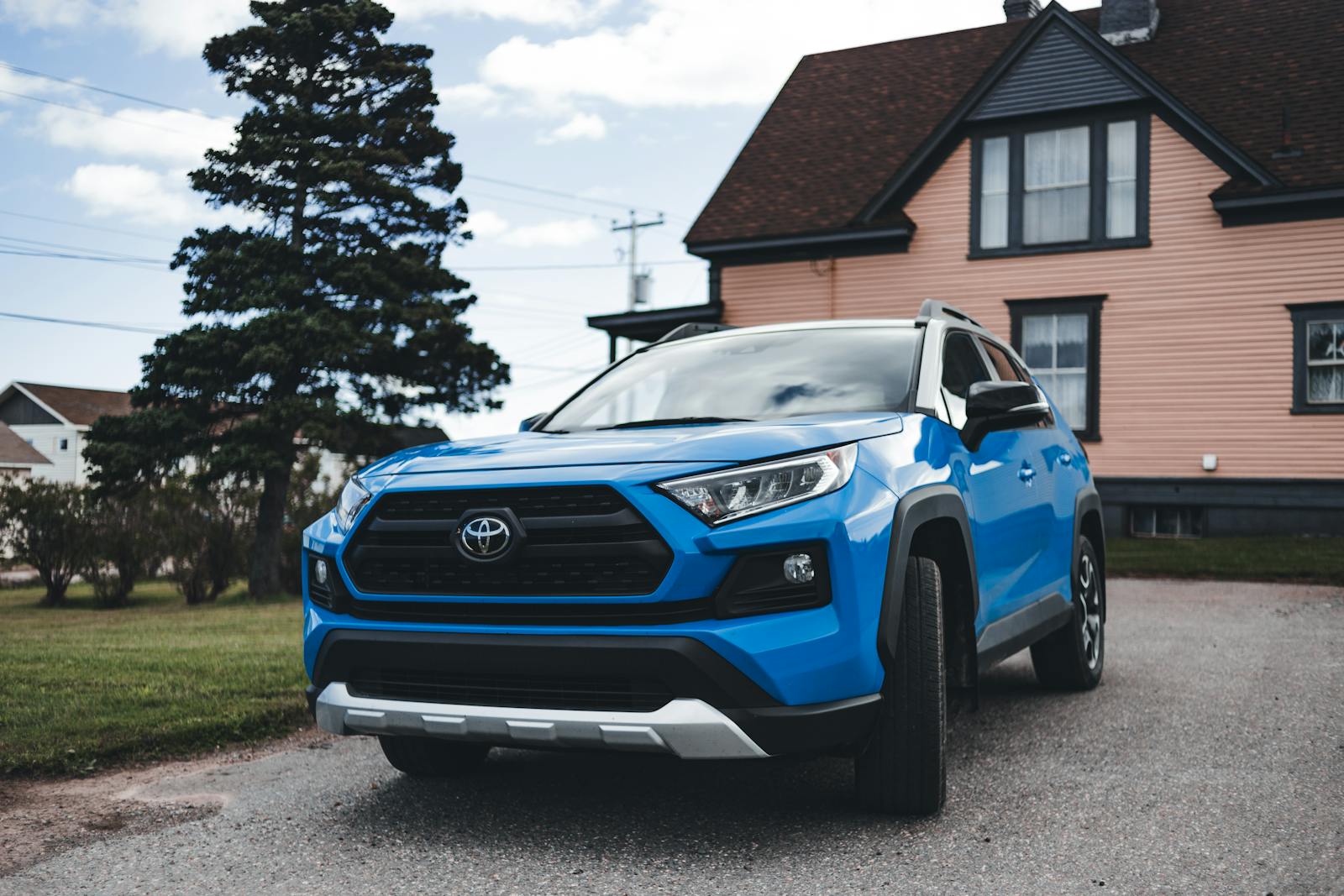
2. Toyota RAV4
Another player in the compact SUV segment is the Toyota RAV4, which features a 2.5-liter four-cylinder engine. While it offers decent fuel economy, the power output often feels inadequate for a vehicle that weighs over 3,500 pounds.
This gap in power can result in sluggish acceleration, especially when the RAV4 is loaded down. Drivers who frequently tackle steep inclines or highway speeds may find that the engine simply doesn’t rise to the occasion.
3. Subaru Forester
The Subaru Forester is a favorite among outdoor enthusiasts, but its 2.5-liter flat-four engine doesn’t quite match its adventurous spirit. Weighing in at around 3,600 pounds, the Forester’s engine can feel underpowered, particularly when navigating steep trails or merging onto fast-moving highways.
The engine’s lack of urgency can detract from the overall driving experience, making it less appealing for those who prioritize performance alongside practicality in their SUV. While it boasts standard all-wheel drive, the engine often leaves drivers wishing for a bit more oomph.
4. Nissan Rogue
The Nissan Rogue comes with a 2.5-liter four-cylinder engine that seems to struggle against its weight. With the Rogue tipping the scales at over 3,500 pounds, the engine’s modest power delivery can lead to a lack of enthusiasm during acceleration.
This can be particularly noticeable when the vehicle is fully loaded or when climbing hills. Although the Rogue offers a comfortable ride and a well-appointed interior, its engine performance can leave much to be desired for those who crave a more spirited driving experience.
5. Kia Sportage
The Kia Sportage may be stylish, but its base engine—a 2.4-liter four-cylinder—often feels like it’s working too hard for its weight class. With the Sportage coming in around 3,500 pounds, the engine struggles to provide robust acceleration, especially when faced with inclines or fully loaded conditions.
This underwhelming performance can be a letdown for drivers who expect more from a modern SUV. While it offers plenty of features and a comfortable cabin, potential buyers might want to consider the performance trade-offs.
6. Chevrolet Equinox
The Chevrolet Equinox features a 1.5-liter turbocharged engine that, while efficient, is simply not enough for this hefty SUV. Weighing about 3,500 pounds, the Equinox feels sluggish, particularly during highway merging or overtaking maneuvers.
This lack of power can be frustrating for drivers who appreciate a responsive and engaging driving experience. Although it offers a spacious interior and a smooth ride, the engine’s performance leaves a noticeable gap compared to competitors in its class.
7. Ford Escape
The Ford Escape comes with a standard 1.5-liter EcoBoost engine, which is often overwhelmed by the SUV’s weight of approximately 3,500 pounds. This engine may provide decent fuel economy, but it lacks the power required for spirited driving or quick acceleration.
Drivers looking for a lively driving experience may feel disappointed, especially in everyday situations where power is essential. While the Escape scores well in technology and safety features, the engine performance could use a significant boost.
8. Volkswagen Tiguan
The Volkswagen Tiguan’s 2.0-liter turbocharged engine offers a blend of efficiency and power, but when paired with its weight of around 3,600 pounds, it can feel underwhelming. The engine isn’t quite robust enough to deliver the performance that many drivers expect from an SUV.
This can lead to a less-than-exciting driving experience, particularly when acceleration is needed. While the Tiguan is well-equipped with modern features and a comfortable cabin, its engine choice may not satisfy those who prioritize power.
Choosing an SUV is often about balancing needs and wants. While these models may excel in other areas, their engine performance leaves something to be desired. For buyers prioritizing power, it may be worth exploring options with engines that better match their weight for a more satisfying driving experience.
More from Steel Horse Rides: