
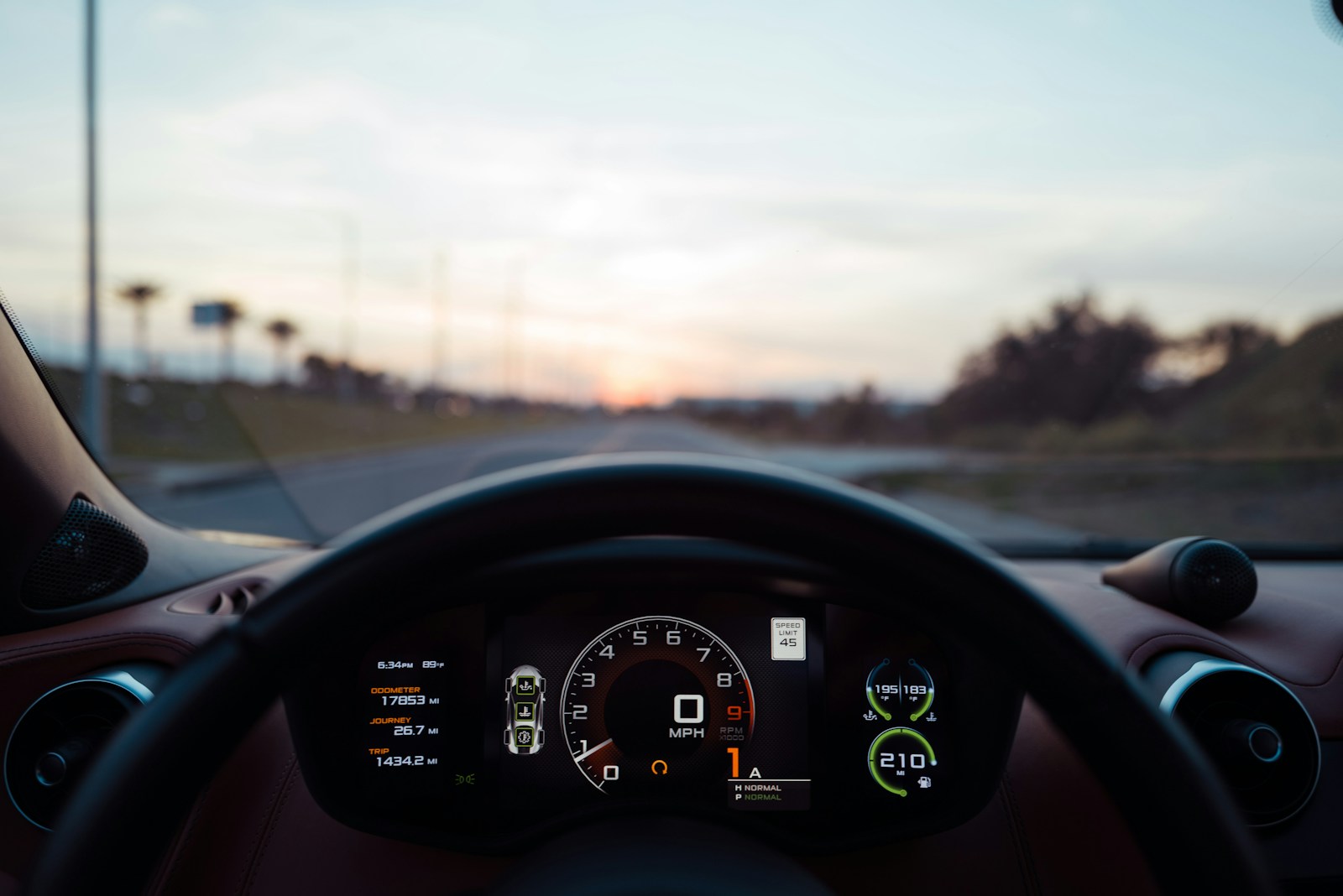

Pop the door on an older car and the dashboard feels like a time capsule, full of knobs, slots, and textures that barely exist in new models dominated by touchscreens. Many of those pieces were there to support habits that drivers now try to avoid, or to solve problems that software quietly handles today. Here are eight things every car dashboard used to have, and what their disappearance says about how driving has changed.
1) Ashtray and Lighter
The ashtray and lighter were once so standard that smokers could practically use them blindfolded. A flip-down metal tray caught ashes, while a spring-loaded lighter heated up with a push and popped out when ready. Older driving advice treated smoking as a normal part of being behind the wheel, even though modern safety lists now flag it as one of the in-car habits drivers should skip, putting it alongside other behaviors that distract hands and eyes from the road, as detailed in guides to risky car habits.
Today, that whole smoking station has mostly vanished, and its absence signals a cultural shift. Health campaigns, stricter rules around secondhand smoke, and the rise of non-smoking fleets pushed automakers to delete built-in ashtrays and lighters from dashboards. Drivers who still smoke usually rely on portable ash cans or step outside, which cuts down on burn marks, lingering smells, and the fire risk that came with dropping a lit butt into an overflowing tray while trying to merge.
2) Analog Warning Lights
Analog warning lights used to be simple, blunt instruments, glowing red or amber when something was wrong. Icons like a battery, a thermometer, or a little engine block would snap on with no extra explanation, leaving drivers to interpret the symbol and decide how fast to pull over. Modern explainers on dashboard light meanings still walk through those classic icons, noting how they were designed to give an immediate visual jolt long before cars offered detailed text messages.
In older dashboards, there was no scrolling menu to clarify what “check engine” meant, and no app to schedule a service visit. That simplicity made the stakes very clear, but it also pushed drivers to learn the basics of their car’s systems or risk ignoring a serious problem. As clusters turned digital, those same alerts became more nuanced, yet the core idea remains the same, a bright light in the driver’s line of sight that says something under the hood needs attention now, not later.
3) Cassette Tape Deck Slot
The cassette tape deck slot was once the centerpiece of in-car entertainment, a horizontal mouth ready to swallow mixtapes and store-bought albums. Drivers pushed in plastic cases to hear the clunk of the mechanism grabbing the tape, then used chunky buttons to fast-forward or rewind. That physical port for music has largely disappeared as dashboards shifted to digital media, with modern cars leaning on USB connections that can handle audio files, navigation data, and more, a change that underpins many of the new tricks possible with a car’s USB port.
Once CDs and then streaming took over, the tape slot became dead weight, and automakers reclaimed that real estate for screens and storage. For drivers, the loss of the deck meant saying goodbye to the tactile ritual of flipping a tape or rescuing one from being “eaten” by worn rollers. It also marked a broader move away from media that physically lived in the dashboard, toward content that follows the driver from phone to car without ever touching a slot.
4) Vinyl Dashboard Trim
Vinyl dashboard trim used to stretch from one side of the cabin to the other, a textured surface molded over foam to keep glare down and costs in check. The material was tough enough to survive keys, bags, and the occasional coffee splash, but it was notorious for fading and cracking under sun. Cleaning guides for car interiors still call out older vinyl as a surface that needs gentle products and microfiber cloths, explaining how the wrong cleaner can dry it out, as seen in advice on keeping dashboards spotless.
Because vinyl showed dust and fingerprints so easily, drivers had to stay on top of maintenance if they wanted the cabin to look fresh. That routine, wiping down seams and vents by hand, made people more aware of every button and contour on the dash. As newer cars adopt soft-touch plastics and minimalist panels, the old-school vinyl look is fading, and with it a certain DIY relationship to cleaning, replaced by materials that promise to hide grime and survive quick wipes between errands.
5) Manual Heater Knobs
Manual heater knobs once gave drivers direct, mechanical control over cabin temperature, fan speed, and airflow. Big rotary dials and sliding levers let someone adjust heat by feel, often without looking away from the road. Safety lists that warn against multitasking behind the wheel now group constant fiddling with these controls alongside other distractions, similar to the way they caution against eating or smoking in the car in breakdowns of old-school dashboard habits that no longer fit modern expectations.
As automatic climate control spread, those knobs shrank or disappeared into touch panels and menus. That change cut down on the need to keep tweaking settings, since sensors handle most of the work, but it also removed some of the tactile feedback that made older dashboards intuitive. For drivers used to grabbing a familiar dial, hunting through a screen for the right icon can feel slower, even if the system ultimately keeps the cabin more stable and efficient over a long drive.
6) Oil Pressure Gauge Light
The oil pressure gauge light, often shaped like a tiny oil can, was one of the most serious warnings on an older dashboard. When it lit up, it meant the engine’s lubrication system was in trouble, and continuing to drive could quickly lead to major damage. Modern explanations of essential alerts still single out the Oil Pressure Warning Light as a symbol that demands immediate action, contrasting it with less urgent icons like the Tire Pressure Warning Light that allow a bit more time.
Some enthusiasts even add aftermarket gauges to track oil pressure in real time, a practice reflected in guides to an oil presser gauge car dashboard tool that goes beyond a simple light. In mass-market cars, though, the dedicated lamp has often been folded into broader engine warnings or buried in digital menus. That shift makes the dashboard look cleaner, but it can also blur the line between a minor issue and a crisis, leaving drivers more dependent on service centers to interpret what the car is trying to say.
7) Cigarette Lighter Power Outlet
The cigarette lighter power outlet started as a way to heat a coil for smoking, but it quietly became the universal plug for gadgets. That round 12-volt socket powered everything from portable GPS units to dash cams and coolers, turning the dashboard into a hub for accessories. As USB ports took over charging and data duties, many of the clever uses now associated with a car’s built-in USB connections grew out of what drivers first did with adapters jammed into that old lighter socket.
New cars still hide a 12-volt outlet in many cases, but it is no longer front and center on the dash, and it rarely includes an actual lighter element. Instead, multiple USB ports and wireless pads handle phones and tablets directly. That evolution reflects how power needs shifted from a single high-draw accessory to a cluster of smaller devices, and how dashboards moved from supporting one dominant habit, smoking, to supporting constant connectivity for everyone in the cabin.
8) Woodgrain Paneling
Woodgrain paneling once signaled that a dashboard was aiming for luxury, even when the “wood” was just a printed veneer over plastic. Strips of faux walnut or oak framed gauges and vents, catching light and, unfortunately, dust. Cleaning advice for older cabins often calls out these decorative strips as dust magnets that need careful wiping to avoid scratches, echoing broader tips on keeping interior surfaces from becoming cluttered and grimy when drivers treat the car like a rolling living room.
Maintaining that glossy look took effort, from using soft cloths to avoiding harsh chemicals that could cloud the finish. As tastes shifted toward minimalist, matte designs, many brands dropped busy woodgrain in favor of simple textures that hide smudges. The change hints at how drivers now value low-maintenance materials over ornate touches, preferring dashboards that can survive kids, pets, and daily commutes without demanding a weekend detailing session just to keep the trim from looking tired.
More from Wilder Media Group: