

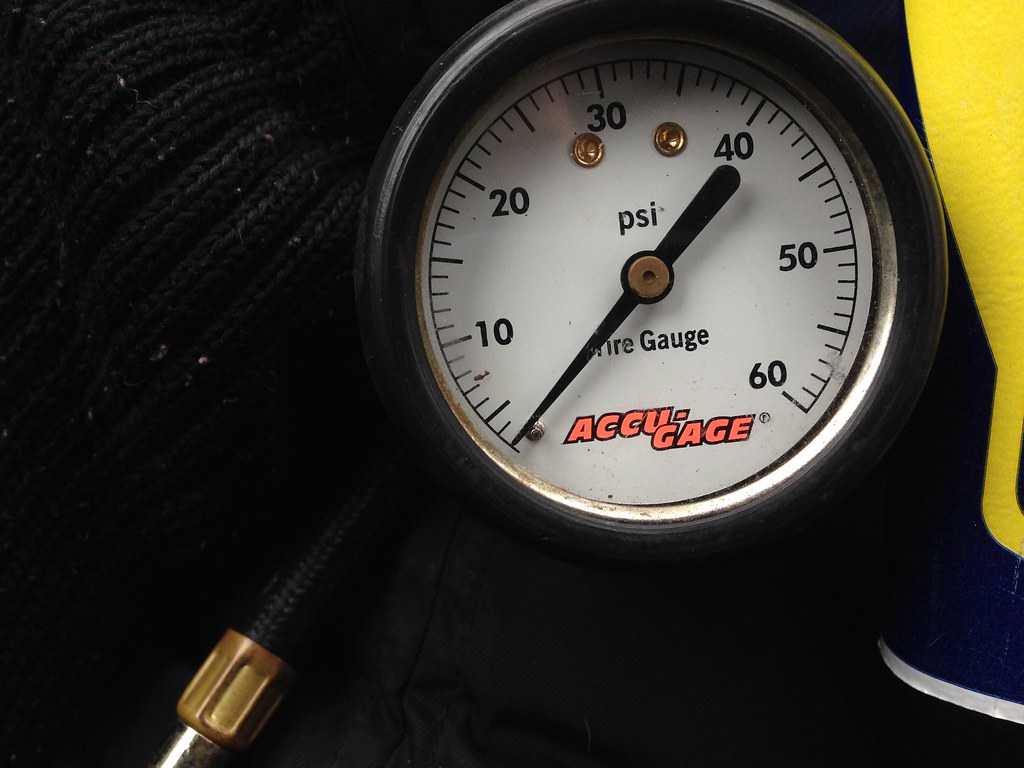
A recent analysis has identified eight tire pressure gauges that consistently provide inaccurate readings, raising concerns for drivers about vehicle safety and fuel efficiency. This issue affects millions of drivers who rely on these devices to maintain proper tire pressure, which is crucial for safe driving and optimal vehicle performance. Inaccurate readings can lead to under-inflated tires, resulting in increased tire wear, reduced fuel economy, and a higher risk of blowouts.
Importance of Accurate Tire Pressure
Maintaining the correct tire pressure is vital for vehicle safety and efficiency. According to the National Highway Traffic Safety Administration (NHTSA), under-inflated tires lead to approximately 11,000 crashes each year in the United States. Furthermore, the U.S. Department of Energy states that proper tire inflation can improve fuel efficiency by up to 3.3%. For drivers, this means that using an unreliable gauge can not only compromise safety but also lead to unnecessary expenses at the gas pump.
Identified Faulty Models
The following eight tire pressure gauges have been flagged for their inaccurate readings based on various consumer reports and testing results. Drivers are advised to check their current gauges against these models to ensure their vehicle’s safety.
1. Accu-Gage 0-60 PSI Dial Gauge
This gauge has been a popular choice among DIY mechanics, but recent evaluations show that it can read up to 5 PSI lower than the actual tire pressure. This discrepancy can be especially dangerous during long trips when tire pressure is critical.
2. TireTek Digital Tire Pressure Gauge
While marketed as a high-precision tool, the TireTek Digital Gauge has been found to misread pressures by as much as 4 PSI. This inconsistency can lead to drivers unknowingly operating their vehicles with insufficient tire pressure, increasing the risk of tire failure.
3. JACO ElitePro Tire Pressure Gauge
The JACO ElitePro is often praised for its design but has come under scrutiny for its accuracy. Tests reveal that this model can sometimes provide readings that are off by 3 PSI, particularly when used repeatedly in a short timeframe.
4. AstroAI Digital Tire Pressure Gauge
Despite its popularity and affordable price, the AstroAI gauge has been reported to show higher readings than actual pressure levels, with inaccuracies reaching 4 PSI. This can mislead drivers into believing their tires are adequately inflated when they are not.
5. Milton S-921 Tire Pressure Gauge
The Milton S-921 has been a staple in many garages, but it has been flagged for an average reading error of 3-5 PSI. This inconsistency can lead to serious issues, especially for those who frequently check their tire pressure.
6. BVA 1000 Tire Pressure Gauge
Marketed as a robust and reliable device, the BVA 1000 has been found to provide readings that can be off by 4 PSI or more. This could result in drivers facing unnecessary wear on their tires and potential safety hazards.
7. Slime 40001 Digital Tire Pressure Gauge
The Slime 40001 has gained popularity for its compact design, but it has been reported to misread pressures significantly, sometimes by as much as 5 PSI. Such inaccuracies can compromise the overall handling and stability of a vehicle.
8. Craftsman 8-99341 Tire Pressure Gauge
Despite its established brand name, the Craftsman 8-99341 has been criticized for reliability issues, with reported discrepancies of 3 PSI on average. Drivers using this gauge may unknowingly drive with tires that are either over-inflated or under-inflated, both of which pose risks.
Recommendations for Drivers
For drivers currently using any of the above tire pressure gauges, it is imperative to verify their readings with a reliable source. Regularly checking tire pressure with a trusted gauge or at a service station can help mitigate safety risks. Additionally, many newer vehicles come equipped with Tire Pressure Monitoring Systems (TPMS), which can offer real-time readings and notifications regarding tire pressure.
Call to Action
Drivers should take immediate action to ensure their tire pressure gauges are accurate. Check your current gauge against a reliable model or consult a professional mechanic to confirm your tire pressure is within the recommended range. Inaccurate tire pressure can lead to serious safety issues; don’t wait until it’s too late to address this critical aspect of vehicle maintenance.</p