

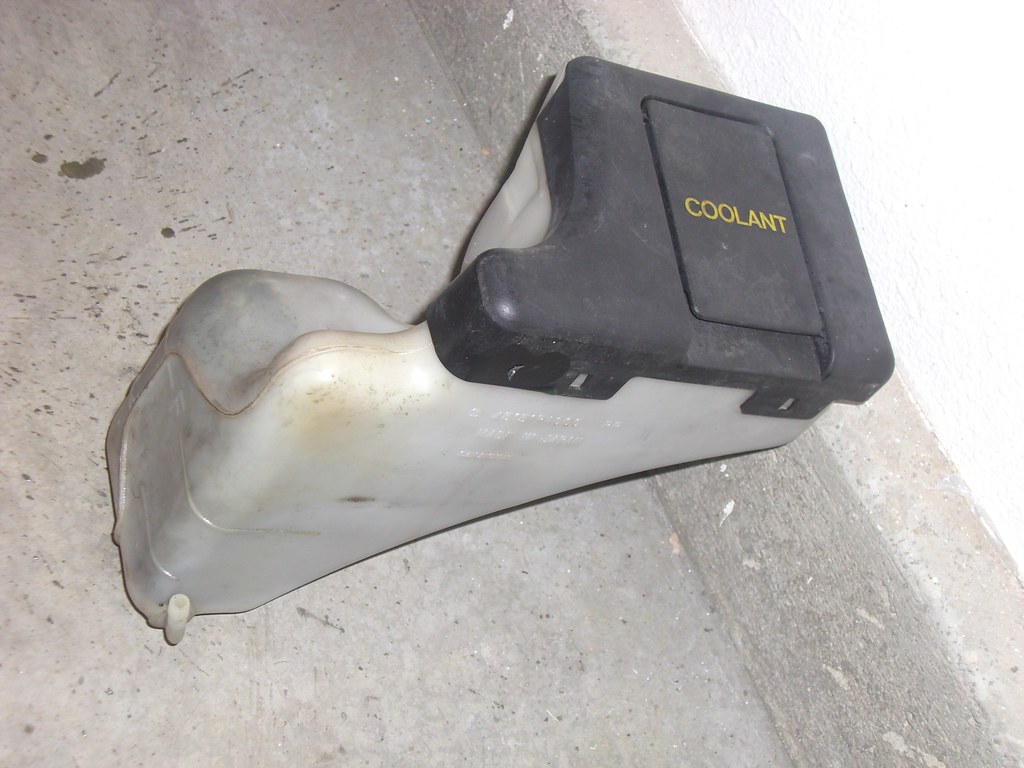
Mixing engine coolants can lead to severe engine damage and costly repairs, affecting millions of vehicle owners who rely on their cars for daily transportation. Many drivers are unaware that different coolant formulations can interact negatively, creating sludge or corrosive compounds that can compromise engine performance. Understanding which coolants should never be mixed is critical for maintaining the health of your vehicle.
Understanding Engine Coolants
Engine coolants, also known as antifreeze, serve a crucial role in regulating engine temperature, preventing overheating and freezing. They come in various formulations, with each type designed to work optimally with specific engine materials and designs. The primary types of coolants are Ethylene Glycol (green), Propylene Glycol (orange), and Organic Acid Technology (OAT), among others. Mixing different types can lead to chemical reactions that may damage engine components.
1. Ethylene Glycol and Propylene Glycol
Ethylene Glycol-based coolants, commonly found in many vehicles, should never be mixed with Propylene Glycol coolants. While both serve similar functions, their chemical properties differ significantly. A combination can result in the formation of gel-like substances that obstruct the flow of coolant, leading to overheating.
2. Conventional Coolant and OAT Coolant
Conventional coolants, typically green in color, are not compatible with Organic Acid Technology (OAT) coolants, which are often orange or red. The interaction between these two can lead to the formation of sludge, severely affecting the cooling system’s efficiency. Vehicles like the 2015 Chevrolet Silverado, which use OAT coolant, should only have OAT coolant added during maintenance.
3. Hybrid Organic Acid Technology (HOAT) and OAT
Hybrid Organic Acid Technology (HOAT) coolants, which combine elements of both conventional and OAT coolants, should not be mixed with pure OAT coolants. Vehicles such as the 2018 Jeep Wrangler utilize HOAT coolants; adding OAT can disrupt the intended chemical balance, leading to premature wear and engine failure.
4. Dex-Cool and Regular Green Coolant
Dex-Cool is a specific brand of OAT coolant developed by General Motors and is commonly found in models like the 2000–2010 Chevrolet Impala. Mixing Dex-Cool with traditional green coolant can result in a chemical reaction that produces sludge, which clogs the cooling system. This can lead to overheating and expensive repairs.
5. Universal Coolants and Specific Formulations
While some universal coolants claim to be compatible with all systems, they should be used with caution. For instance, a universal coolant may not be suited for older vehicles that require a specific formulation, like the 2004 Ford F-150, which needs a specific coolant type to maintain proper engine health. Mixing these can lead to performance issues.
6. Silicate-based and Silicate-free Coolants
Silicate-based coolants are often used in older vehicles, while many newer models require silicate-free options. Mixing these two types can lead to the precipitation of silicate gel, which can block radiator passages and lead to overheating. For example, the 2010 Honda Civic requires a silicate-free coolant to ensure optimal engine performance.
7. Long-life Coolants and Standard Coolants
Long-life coolants, which may last up to five years or more, should not be mixed with standard coolants that have shorter lifespans. Mixing these can diminish the performance and longevity of the cooling system. Vehicles such as the 2017 Toyota Camry, which use long-life coolant, are particularly vulnerable to issues when standard coolant is added.
8. Water and Antifreeze Mixtures
While it may seem harmless, mixing plain water with antifreeze can dilute the coolant’s effectiveness. This dilution can lead to reduced freezing protection and lower boiling points, increasing the risk of engine overheating. For optimal performance, always follow manufacturer guidelines regarding coolant-to-water ratios.
9. Different Color Coolants
Coolants come in various colors, such as green, orange, and yellow, but color alone cannot determine compatibility. For instance, a green coolant might be compatible with one engine but not with another. Relying solely on color can lead to costly mistakes. Always consult your vehicle’s owner manual for the recommended coolant type.
Conclusion: Prioritize Your Engine’s Health
Mixing engine