

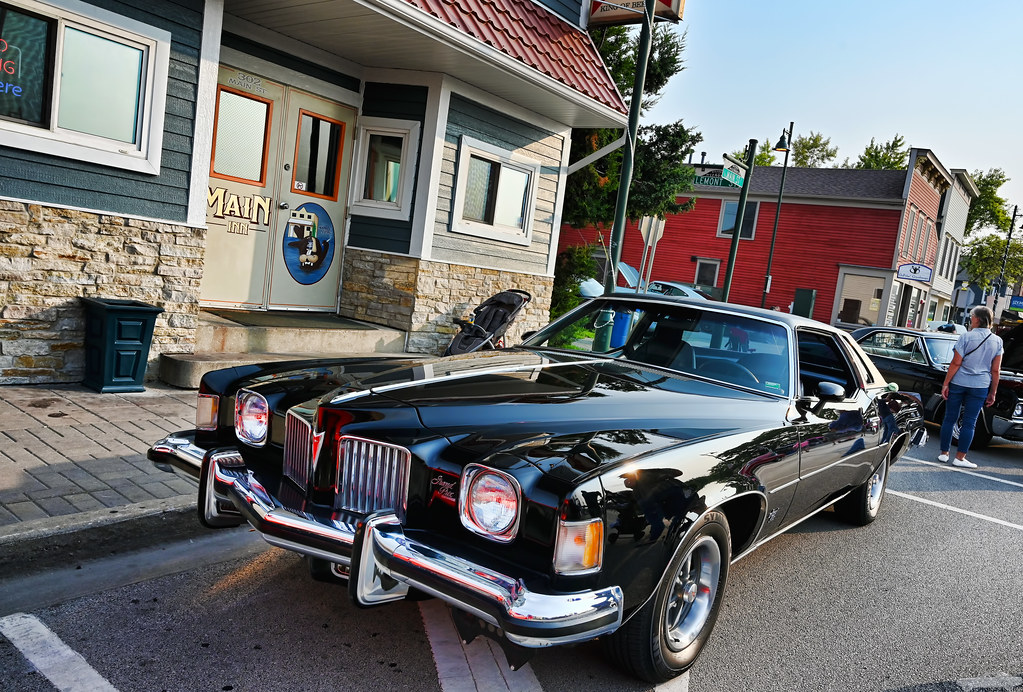
As the automotive industry evolves with electric vehicles and advanced technology, several iconic car brands have faded into obscurity, leaving enthusiasts and collectors longing for their return. This article highlights nine forgotten car brands, examining their historical significance and the potential market demand for a revival. These brands not only shaped the automotive landscape but also hold nostalgic value for many consumers.
1. Pontiac
Pontiac, once a staple of American muscle cars, was discontinued in 2010 as part of General Motors’ restructuring. Known for models like the Pontiac GTO (1964–1974) and the Pontiac Firebird (1967–2002), the brand represented performance and style. The revival of Pontiac could cater to a renewed interest in classic American muscle, especially with recent sales showing a 20% increase in muscle car purchases in 2022.
2. Mercury
Mercury, a division of Ford, was established in 1938 and offered a range of vehicles that appealed to middle-class Americans until its closure in 2010. Models such as the Mercury Cougar (1967–2002) and the Mercury Grand Marquis (1975–2011) are fondly remembered for their distinctive designs and reliability. A comeback could attract nostalgic buyers and those looking for an affordable yet stylish option in the crowded sedan market.
3. Saab
Swedish automaker Saab ceased production in 2011 after struggling with financial difficulties. Known for their innovative engineering and safety features, models like the Saab 900 (1978–1998) and the Saab 9-3 (1998–2014) still have a loyal following. With an increasing emphasis on sustainability and unique design, a revival of Saab could meet the demands of environmentally conscious consumers who appreciate distinctiveness.
4. Plymouth
Plymouth was a major player in the American automotive market from 1928 until its closure in 2001. The brand produced several memorable models, including the Plymouth Barracuda (1964–1974) and the Plymouth Fury (1956–1989). As the muscle car revival continues, Plymouth’s return could leverage its rich history and attract buyers seeking classic styling paired with modern technology.
5. Oldsmobile
Oldsmobile, one of the oldest car brands in the United States, was discontinued in 2004. Known for models like the Oldsmobile 442 (1964–1987) and the Oldsmobile Cutlass (1961–1999), the brand is remembered for its pioneering role in automotive technology. A comeback could resonate with older generations while drawing in new customers interested in the brand’s legacy and innovation.
6. Studebaker
Studebaker was an American automotive manufacturer that thrived from the 1850s until the early 1960s. The brand is celebrated for models like the Studebaker Avanti (1962–1963) and the Commander (1935–1942), which showcased unique designs. With a growing interest in vintage cars, a revival of Studebaker could appeal to collectors and enthusiasts who appreciate American automotive history.
7. Datsun
Datsun, a former brand of Nissan, was phased out in the 1980s, but it made a name for itself with models like the Datsun 240Z (1969–1973). The brand was synonymous with affordable, reliable sports cars and could capitalize on the current trend of retro-styled vehicles. The revival of Datsun could attract a younger demographic looking for affordable performance cars.
8. Isuzu
Isuzu, known for its durable trucks and SUVs, saw a decline in the U.S. market, leading to its exit in 2009. Models such as the Isuzu Trooper (1981–2002) and the Isuzu Rodeo (1990–2004) are still fondly remembered by enthusiasts. Given the current demand for rugged vehicles, a comeback for Isuzu could tap into the growing market for adventure-ready SUVs.
9. Geo
Geo was a subsidiary of General Motors that offered compact cars during the 1990s, including the popular Geo Metro (1989–2001). Although the brand was short-lived, it was known for its fuel efficiency during a time of rising gas prices. With the current focus on eco-friendly vehicles, a revival of Geo could attract consumers looking for affordable and efficient alternatives in the market.