

When you get pulled over by the police, it’s easy to feel unsure about what you have to do. There are a lot of ideas floating around about your responsibilities during a traffic stop, but not all of them are accurate.
Understanding the common myths about what you must do can help you stay calm and protect your rights during these encounters. Knowing the facts makes the whole process less stressful and keeps you informed about what’s actually required.
You must always provide your driver’s license when asked.
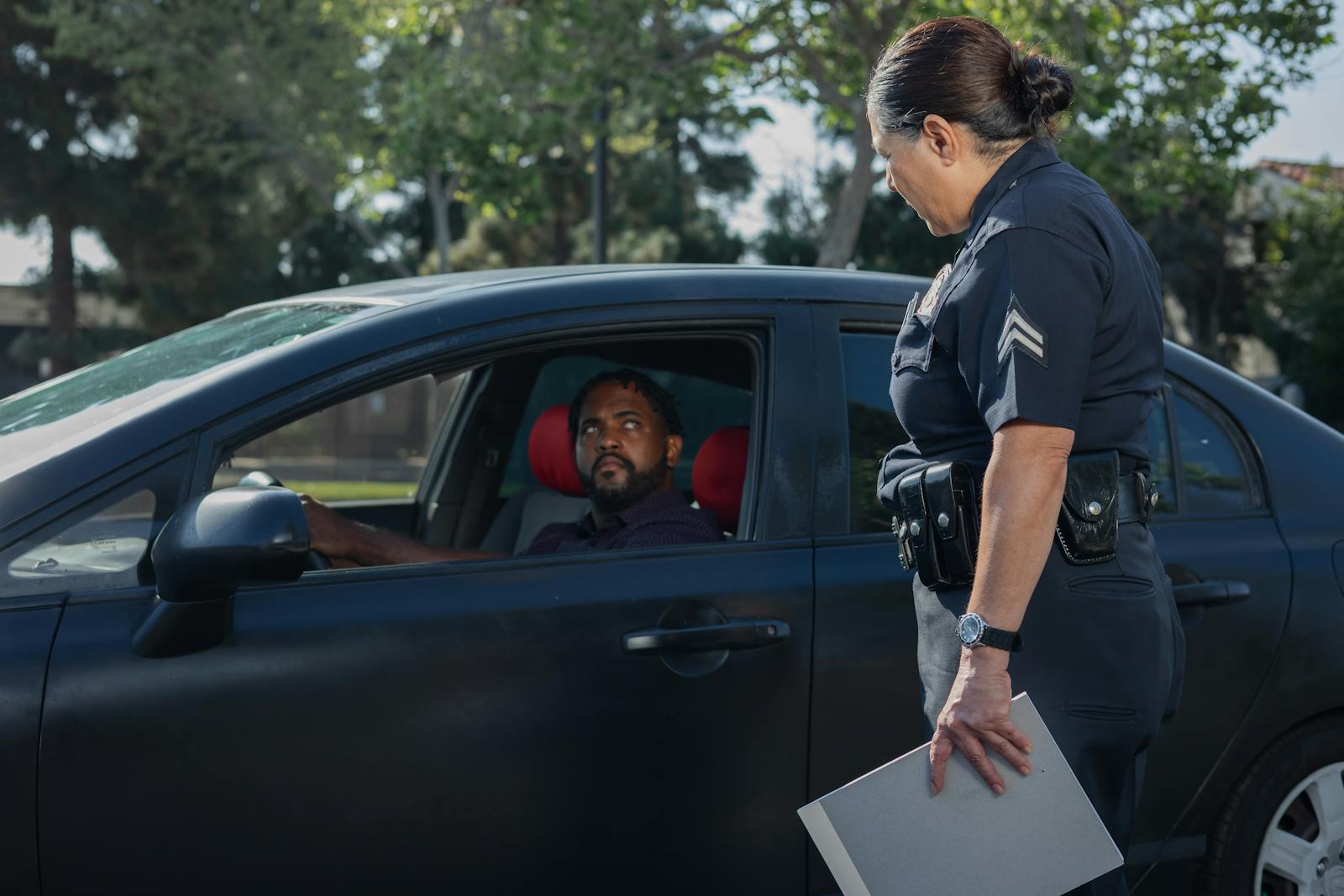
When a police officer stops you while driving, you are generally required to show your driver’s license. It’s part of proving you are legally allowed to be behind the wheel.
However, the rules can depend on the situation. If you aren’t driving, like if you are a passenger or pedestrian, you may not have to provide your license.
Still, if you are asked during a traffic stop, it’s usually best to hand over your license calmly. Refusing can cause extra trouble.
You have to answer all questions beyond ID and registration.
You don’t have to answer every question the officer asks after showing your license and registration. Beyond those, you can politely decline to answer if you’re uncomfortable.
It’s your right to stay silent or ask for an attorney before answering anything else. Just be sure to provide your ID, registration, and proof of insurance when requested, since those are usually required by law.
Officers can make you exit your vehicle at any time.
If an officer asks you to step out of your car during a traffic stop, you generally have to comply. This is allowed even if they don’t have new reasons beyond the initial stop.
The courts have said it’s mainly for officer safety. So, while it might feel intrusive, it’s a common practice.
Refusing to get out can cause problems, so it’s usually best to follow the officer’s request.
You must consent to a vehicle search without a warrant
You don’t have to say yes if an officer asks to search your car. Consent has to be given voluntarily, and you can legally refuse.
Police usually need either your permission or a warrant to search your vehicle. Without probable cause or some exception, your refusal stands.
Keep in mind, if you do say yes, you waive your right to object later. So it’s okay to politely say no and ask if you’re free to leave.
Refusing a breathalyzer test always leads to jail time.
You might think saying no to a breathalyzer means you’re automatically heading to jail. That’s not always the case. Refusing the test usually triggers legal penalties like license suspension or fines first.
Jail time often depends on other factors, like if it’s your second offense or if you’re convicted of DUI. So, refusing can make things worse, but it doesn’t guarantee jail by itself. It’s a serious choice with consequences, but not an automatic ticket to jail.
Cops can demand your phone passcode on the spot.
Actually, police can ask for your phone passcode, but they usually can’t force you to give it without a warrant. If you’re not near a border or airport, you have a right to keep it private.
However, things change for biometric locks like fingerprints or facial recognition. Cops might be able to make you unlock your phone that way since it’s different from revealing a password you know. Remember, staying calm and knowing your rights is key.
You can’t record a traffic stop legally.
Actually, you can record a traffic stop in nearly every state. As long as you don’t physically get in the officer’s way, filming is allowed.
Just keep a safe distance and follow any lawful commands, like stepping back if asked.
Recording can protect your rights and create a clear record of what happens. So, it’s not illegal—it’s your right.
If you stay silent, it looks suspicious and will get you arrested.
Staying silent during a traffic stop doesn’t automatically make you look guilty or suspicious. You have the right to remain silent, and using it won’t mean cops will arrest you for that reason alone.
Police often expect some answers, but silence alone won’t get you arrested. What matters is whether they have a legal reason to detain or arrest you, not just that you stayed quiet.
An officer touching your taillights is about checking for damage only.
You might think when an officer touches your taillights, they’re just checking for damage or issues with your car. That’s not the whole story.
Officers actually do this for their own safety. The touch helps them leave fingerprints, which can be important if something goes wrong. It also lets them check for anything unusual or hidden around the car.
So, it’s not just about your vehicle’s condition—it’s a safety routine for the officer.
More from Wilder Media Group: