

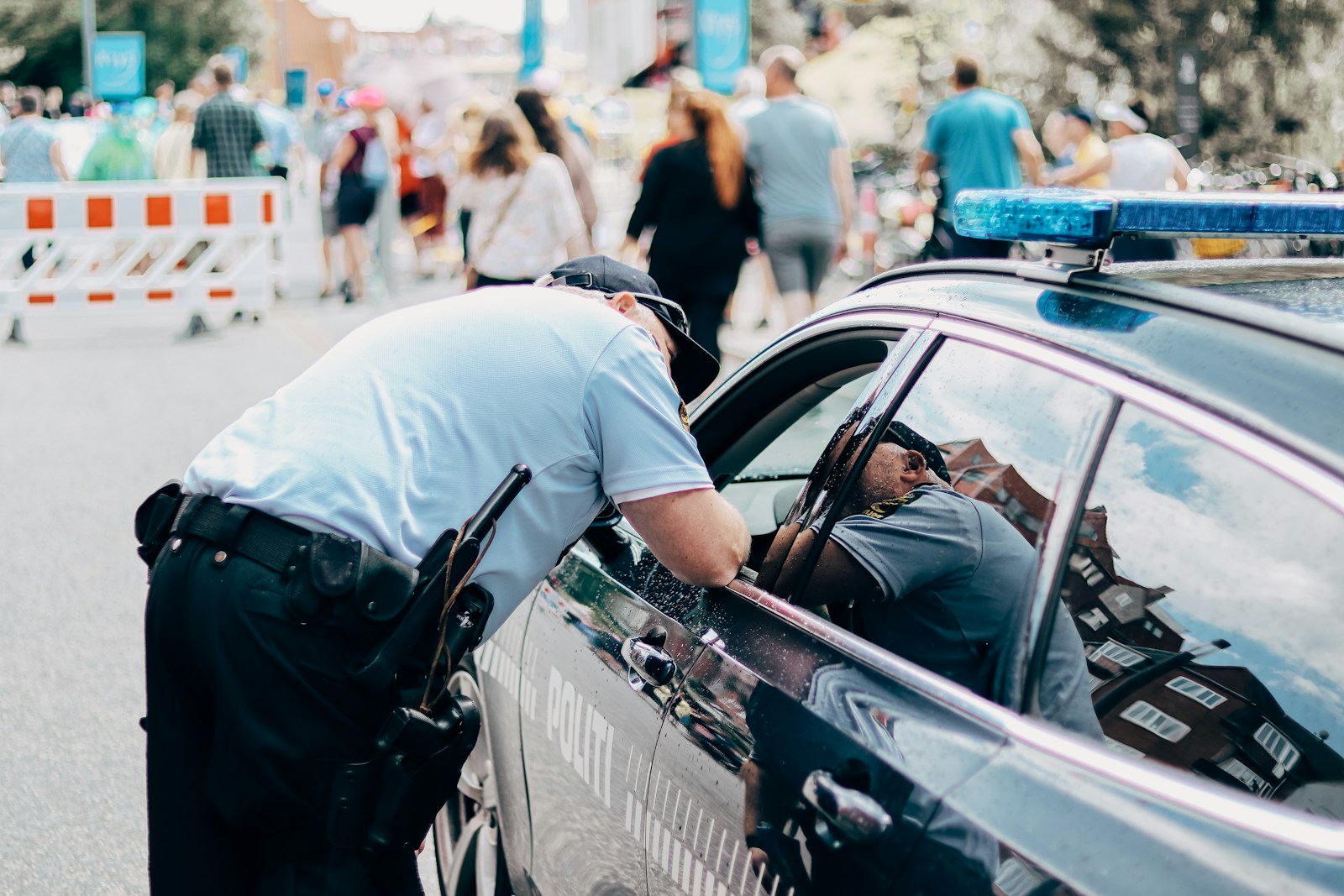
During a routine traffic stop, drivers often unknowingly waive critical rights that could protect them from unwarranted searches and legal repercussions. This issue affects millions of Americans every year and highlights the importance of understanding your rights when interacting with law enforcement. Understanding these rights can be essential in ensuring fair treatment and safeguarding personal freedoms.
The Right to Remain Silent
One of the most significant rights that individuals often waive during a traffic stop is the right to remain silent. Under the Fifth Amendment, you are not obligated to answer questions posed by law enforcement officials. However, many drivers feel compelled to respond, often incriminating themselves without realizing it. Statistics show that about 75% of individuals questioned during traffic stops voluntarily provide information that law enforcement may use against them.
The Right to Refuse Searches
Many motorists are unaware that they can refuse a search of their vehicle without probable cause. The Fourth Amendment protects citizens from unreasonable searches and seizures. Despite this, drivers often consent to searches out of fear or confusion, allowing law enforcement to rummage through their belongings. In a 2022 survey, approximately 50% of respondents stated they would permit a search during a traffic stop, even when they had the right to refuse.
The Right to Legal Counsel
Drivers also forfeit their right to legal counsel when they do not request an attorney during questioning. The Sixth Amendment guarantees the right to an attorney, but many individuals do not invoke this right, believing they can navigate the situation on their own. This can lead to unintended consequences, including coerced confessions or unfavorable plea deals. It’s crucial to remember that you have the right to consult a lawyer before answering any questions.
The Right to Know the Reason for the Stop
Before any interaction begins, officers are required to have a valid reason for pulling over a vehicle. This right is often overlooked, with many drivers accepting the stop without question. The law stipulates that a traffic violation or reasonable suspicion of criminal activity must exist for a stop to be lawful. However, nearly 60% of drivers do not ask officers to clarify the reason for the stop, potentially allowing for unjust treatment.
The Right to Record the Encounter
In today’s digital age, many people carry smartphones equipped with video recording capabilities. The First Amendment protects your right to film police officers during a traffic stop as long as you do not interfere with their duties. Despite this right, many individuals refrain from recording out of fear of escalation or misunderstanding. A 2021 report indicated that only 30% of individuals involved in traffic stops choose to document the encounter, missing an opportunity to protect themselves.
The Right to Leave
Drivers often do not realize that they have the right to leave if they are not being detained. If an officer has not established reasonable suspicion or probable cause, you may legally drive away. However, many individuals stay at the scene due to intimidation or uncertainty about their rights. According to studies, approximately 40% of drivers believe they must remain until the officer completes their investigation, even when there is no legal basis for detention.
The Right to Challenge Evidence
When you consent to a search or answer questions without legal advice, you may unwittingly forfeit your right to challenge the evidence obtained during the stop. This can lead to self-incrimination and adverse outcomes in court. Many individuals do not realize that they have the opportunity to contest the validity of evidence collected during a traffic stop, especially if their rights have been violated. In 2023, around 45% of individuals facing legal action stemming from a traffic stop reported a lack of awareness about their rights to contest evidence.
The Right to File a Complaint
After a traffic stop, individuals often overlook their right to file a complaint against the officer if they believe their rights were violated. Most police departments have procedures in place for citizens to report misconduct. Yet, less than 25% of individuals involved in traffic stops take the initiative to file a complaint, often due to fear of retaliation or a lack of understanding of the process. This lack of action can perpetuate unjust practices within law enforcement.
The Right to Be Treated with Dignity
Lastly, the right to be treated with dignity is often waived during traffic stops. Officers are expected to treat individuals with respect, regardless of the circumstances. However, many drivers report feeling demeaned or disrespected during their interactions with law enforcement. A recent survey revealed that nearly 35% of respondents experienced verbal or physical mistreatment during a traffic stop, unders