

The trucking industry has undergone significant transformations over the years, with certain models setting new standards for performance, efficiency, and safety. These 9 trucks not only influenced their respective manufacturers but also reshaped the entire landscape of the automotive industry. Their innovations have impacted logistics, commercial transportation, and consumer preferences, making them pivotal in the evolution of trucks as we know them today.
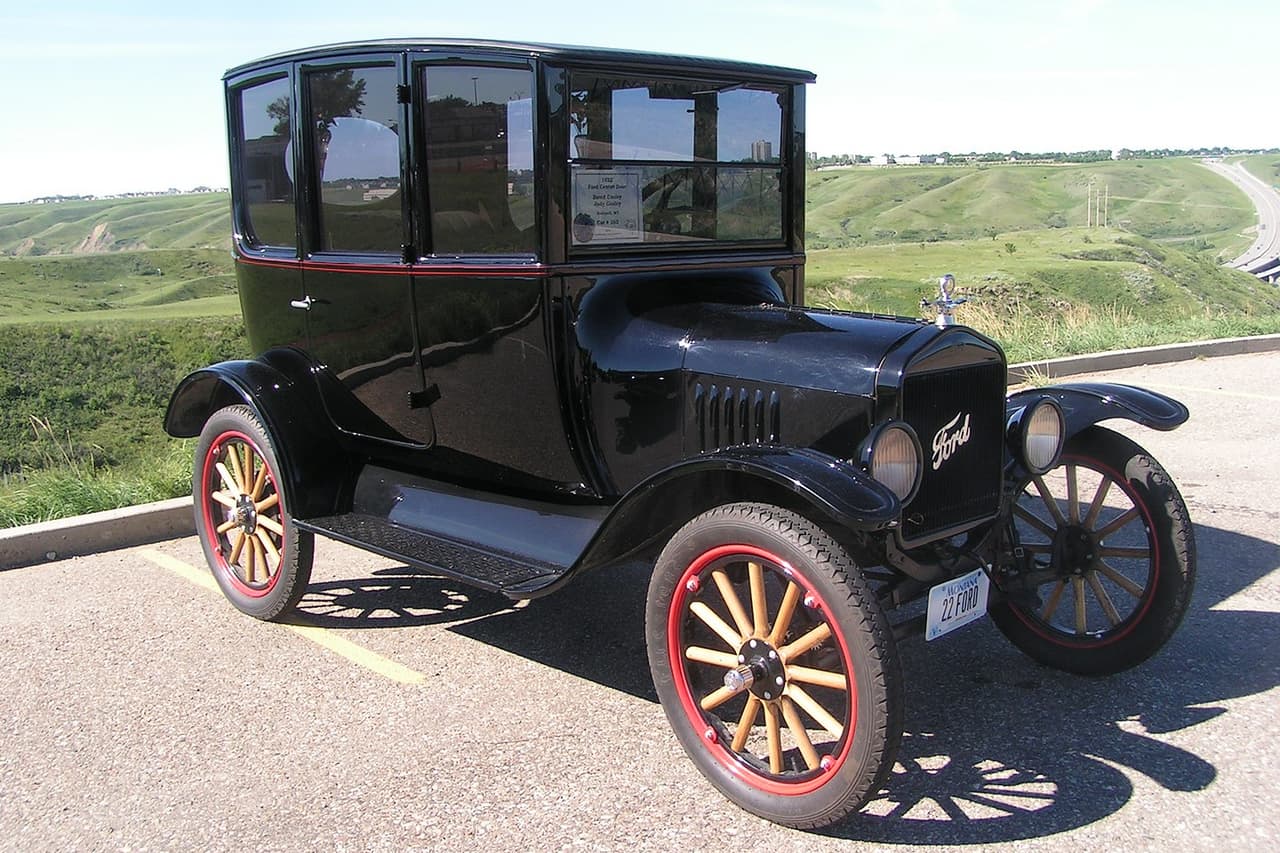
1. Ford Model T (1908)
The Ford Model T revolutionized not just the automotive industry but transportation as a whole. Introduced in 1908, it became the first mass-produced vehicle, making cars affordable to the average American. With over 15 million units sold by 1927, its influence extended beyond personal vehicles into commercial trucks, laying the groundwork for future innovations.
2. Chevrolet C/K Series (1960-1999)
The Chevrolet C/K series, produced from 1960 to 1999, was a cornerstone in the pickup truck market. Its versatility and durability made it a favorite among consumers and businesses alike. The model’s introduction of the “step-side” design and later innovations in comfort and power contributed to it being a top seller, with over 3 million units sold in its final decade alone.
3. Dodge Ram (1981)
Launched in 1981, the Dodge Ram introduced a bold design and a powerful engine lineup that changed the perception of pickup trucks. Its unique styling and focus on performance attracted a new generation of truck buyers. The Ram has consistently ranked among the top-selling trucks in the U.S., boosting Dodge’s market share significantly.
4. Toyota Tacoma (1995)
The Toyota Tacoma, first released in 1995, became synonymous with reliability and off-road capability. Its introduction marked Toyota’s serious entry into the midsize truck segment, allowing it to capture a significant share of the market. By 2020, the Tacoma had sold over 2.5 million units, solidifying its status as a leader in durability and performance.
5. Ford F-Series (1948-Present)
The Ford F-Series, particularly the F-150, has been America’s best-selling truck for over four decades. First introduced in 1948, the F-Series has continually evolved, incorporating advancements in technology, safety, and fuel efficiency. By 2021, Ford had sold more than 40 million F-Series trucks, underscoring its monumental impact on the industry.
6. Freightliner Cascadia (2007)
The Freightliner Cascadia, released in 2007, revolutionized the trucking industry for long-haul transport. With aerodynamic design and advanced fuel efficiency, it set a new benchmark for commercial vehicles. The Cascadia’s fuel economy improvements led to a 5% reduction in fuel consumption, making it a favorite among fleet operators facing rising fuel costs.
7. Tesla Cybertruck (2023)
Unveiled in 2019 and expected to hit the market in 2023, the Tesla Cybertruck aims to disrupt the traditional pickup market with its futuristic design and electric powertrain. With a claimed range of over 500 miles and a towing capacity of 14,000 pounds, it promises to redefine what consumers expect from a truck. Its introduction is anticipated to accelerate the transition to electric trucks in a market dominated by gasoline-powered vehicles.
8. GMC Sierra 1500 (2019)
The 2019 GMC Sierra 1500 introduced groundbreaking technology like the MultiPro tailgate, which offers six different functions. This innovation not only enhances functionality but also sets a new standard for convenience in pickup trucks. The Sierra’s advanced safety features have also made it a popular choice among consumers, contributing to strong sales figures exceeding 200,000 units in 2020.
9. Honda Ridgeline (2005)
Launched in 2005, the Honda Ridgeline was the first pickup truck to feature a unibody construction, resulting in improved ride quality and handling. Its innovative design included a lockable in-bed trunk and a dual-action tailgate, making it a practical choice for owners who needed both utility and comfort. The Ridgeline’s unique features helped carve out a niche in the midsize truck market, appealing to urban buyers.