

Using certain gasoline additives can lead to the voiding of your vehicle warranty, potentially costing you thousands in repairs. As manufacturers enhance engine technology in models like the 2022 Honda Civic or the 2021 Ford F-150, they increasingly specify fuel requirements. Misusing additives can not only impact performance but also leave owners unprotected under warranty terms.
Understanding Warranty Implications
Vehicle warranties are designed to protect consumers against manufacturing defects and certain types of damage. However, they typically come with strict guidelines regarding fuel and additives. If owners deviate from these guidelines, they risk having their warranty claims denied, which can result in costly repairs that they would otherwise have been covered for.
1. Ethanol Blends Beyond Manufacturer Limits
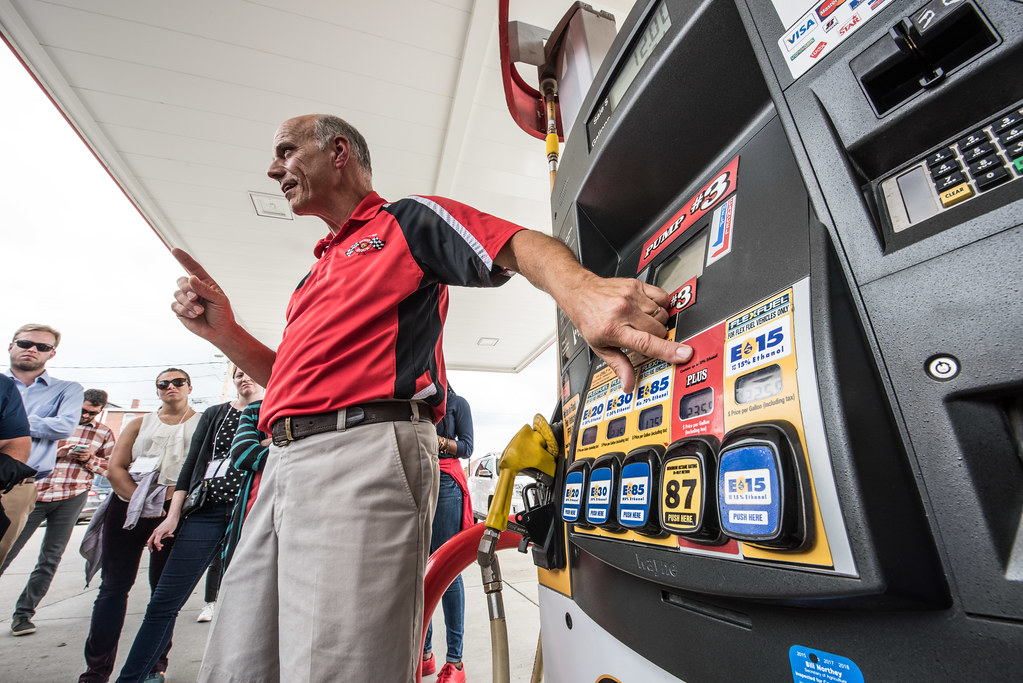
Many car manufacturers specify a maximum allowable percentage of ethanol in gasoline. For example, vehicles like the 2020 Toyota RAV4 are designed to work with E10 (10% ethanol) but may not perform well with higher blends like E85 (85% ethanol). Using higher ethanol blends can lead to engine damage and may void the warranty.
2. Fuel System Cleaners
While some fuel system cleaners can enhance performance, not all are compatible with every engine type. Additives containing harsh solvents can damage sensitive components, particularly in turbocharged engines like the 2022 Volkswagen Golf GTI. If a manufacturer does not recommend a specific cleaner, using it could result in warranty issues.
3. Octane Boosters
Octane boosters are often marketed as performance enhancers, but they can alter the fuel’s chemical composition. For example, using an octane booster in a vehicle designed for regular unleaded gasoline, such as the 2021 Nissan Altima, can lead to engine knocking and void warranties. Always consult the owner’s manual before introducing such additives.
4. Diesel Fuel in Gasoline Engines
Filling a gasoline engine with diesel fuel is one of the most common mistakes that can void a warranty. Vehicles like the 2020 Ford Explorer are not built to handle diesel and can suffer severe damage if diesel is mistakenly used. Such an error often leads to costly repairs not covered by warranty, emphasizing the need for vigilance at the pump.
5. Non-Compatible Fuel Additives
Many brands offer fuel additives claiming to improve engine performance, but not all are suitable for every vehicle. For instance, products that contain methanol or other non-approved chemicals can harm components in modern engines, particularly those with advanced emission systems. Using these additives can result in warranty denial, as manufacturers often list approved products in their service manuals.
6. Performance-Enhancing Additives
Some fuel additives are marketed as performance enhancers but can cause engine strain. Vehicles like the 2021 Subaru Outback, which are engineered for optimal performance with standard gasoline, may experience issues when performance additives are used. This can lead to increased wear and tear, potentially resulting in a voided warranty if damage occurs.
7. Improper Fuel Types
Using a fuel type not recommended by the manufacturer can have dire consequences. For example, using premium unleaded in a vehicle that only requires regular fuel, like the 2022 Kia Forte, may not yield any benefits and could even harm performance. If this leads to engine problems, the manufacturer may refuse warranty coverage based on incorrect fuel usage.
Protecting Your Warranty
To protect your vehicle warranty, always adhere to the fuel specifications provided in your owner’s manual. Consult with your dealership or manufacturer if you have questions regarding specific additives. Keeping records of fuel purchases and any additives used can also be beneficial if warranty claims need to be filed.
Conclusion: Stay Informed and Vigilant
Understanding the impact of gasoline additives on vehicle warranties is crucial for any car owner. With many vehicles now requiring specific fuel treatments, failing to adhere to these guidelines can lead to significant financial implications. Always prioritize using manufacturer-recommended fuels and additives to ensure your vehicle remains covered under warranty. Don’t risk your investment—stay informed and vigilant about what goes into your tank.