

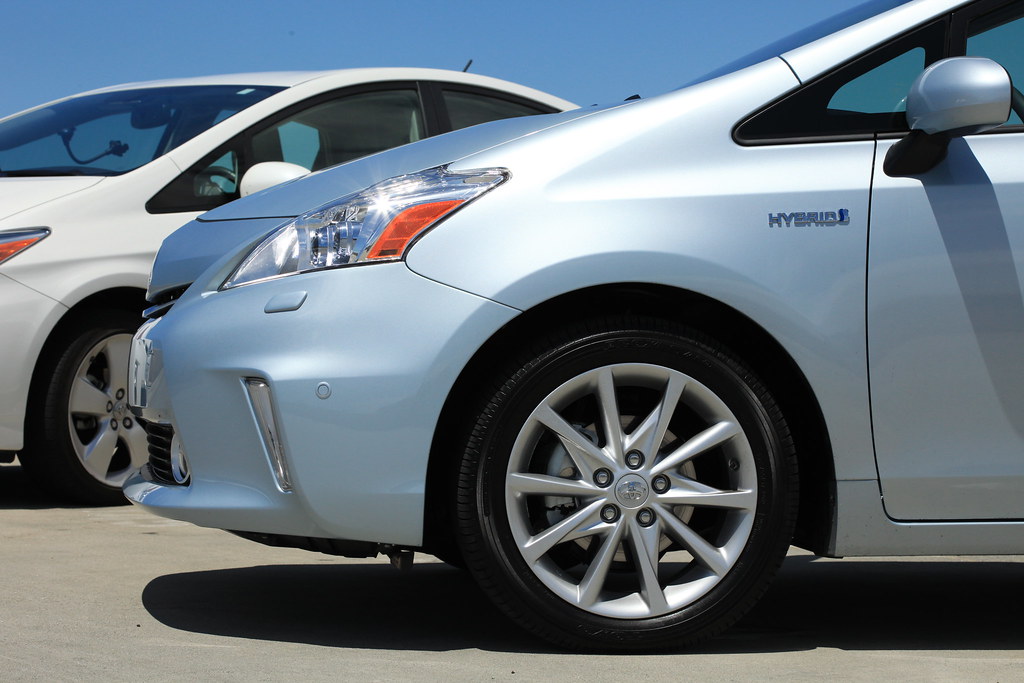
While hybrid cars promise improved fuel efficiency and reduced emissions, several hidden issues complicate their environmental benefits and cost-effectiveness. Consumers considering hybrids like the Toyota Prius or Honda Insight should be aware of these challenges, which could significantly impact their ownership experience and overall sustainability goals.
1. Battery Disposal and Environmental Impact
One of the major selling points of hybrid cars is their fuel efficiency, but the environmental cost of battery production and disposal is often overlooked. The batteries used in hybrids, such as the nickel-metal hydride (NiMH) or lithium-ion types, require rare minerals like cobalt and lithium, which are mined under conditions that can be damaging to local ecosystems. Moreover, disposing of these batteries poses a significant environmental hazard. According to a report from the International Energy Agency, the demand for lithium-ion batteries is expected to grow by 20 times by 2040, raising concerns about the sustainability of sourcing these materials.
2. Cost of Maintenance and Repairs
While hybrids are marketed for their cost savings on fuel, the reality is that maintenance and repair can be more expensive than traditional gasoline vehicles. A 2021 study by the automotive research firm AAA found that hybrid vehicle owners can spend up to 30% more on average for repairs compared to standard vehicles. This is largely due to the complexity of their hybrid systems and specialized components, which may require specific expertise to repair. For example, the 2016 Toyota Prius has been reported to have costly repair bills related to its intricate electrical systems.
3. Decreased Performance in Cold Weather
Hybrid vehicles often struggle in cold weather, leading to decreased efficiency and performance. Studies show that hybrid fuel efficiency can drop by as much as 30% in temperatures below 20°F. This is particularly relevant for consumers in colder climates who may find that their fuel savings diminish significantly during winter months. For instance, the 2020 Honda Insight has been noted for its weakened fuel economy in frigid conditions, with owners reporting less than optimal performance in winter driving scenarios.
4. Limited Towing and Payload Capacity
Consumers looking for versatility in their vehicles may find hybrid cars lacking when it comes to towing capacity. Most hybrid models, such as the 2021 Ford Escape Hybrid, have lower towing limits compared to their non-hybrid counterparts, which can be a dealbreaker for those needing to haul trailers or equipment. The 2021 Escape Hybrid, for instance, has a towing capacity of only 1,500 pounds, significantly less than the 3,500 pounds offered by the traditional gasoline version. This limitation can restrict the vehicle’s utility and make it less appealing to buyers with active lifestyles.
5. Resale Value Concerns
While new hybrid cars can offer substantial savings on fuel, their resale value can be a concern for owners. A 2022 analysis showed that hybrid vehicles depreciate faster than traditional cars. For example, the 2018 Toyota Camry Hybrid saw a resale value drop of nearly 40% after three years, compared to 33% for its gasoline counterpart. This depreciation can lead to significant financial losses for owners when it comes time to sell or trade in their vehicles.
6. Charging Infrastructure Limitations
Though hybrids do not require charging in the same way as fully electric vehicles, the availability of charging stations can still affect owners, especially if they drive a plug-in hybrid. According to the U.S. Department of Energy, there are approximately 43,000 public charging stations in the U.S., which can be limiting for drivers in rural areas. The 2021 Chrysler Pacifica Hybrid, for instance, offers a mere 32 miles of electric-only range, necessitating access to charging stations for optimal efficiency. Without adequate infrastructure, hybrid owners may find themselves reverting to gasoline power more often than anticipated.
Conclusion: Stay Informed Before You Buy
As hybrid vehicles become increasingly popular, potential buyers must navigate a complex landscape of benefits and drawbacks. Understanding the realities of battery disposal, maintenance costs, performance issues, and resale values is crucial for making an informed purchase. With hybrid sales projected to reach over 5 million units by 2025, it is vital for consumers to weigh these factors carefully. Before making a purchase, consider conducting thorough research and assessing your specific needs to ensure that a hybrid vehicle aligns with your lifestyle and environmental goals.
For those considering a hybrid vehicle, stay informed and ask the right questions. Your vehicle choice should not only save you money at the pump but also align with your values regarding sustainability and practicality. Don’t rush your decision – the implications of