

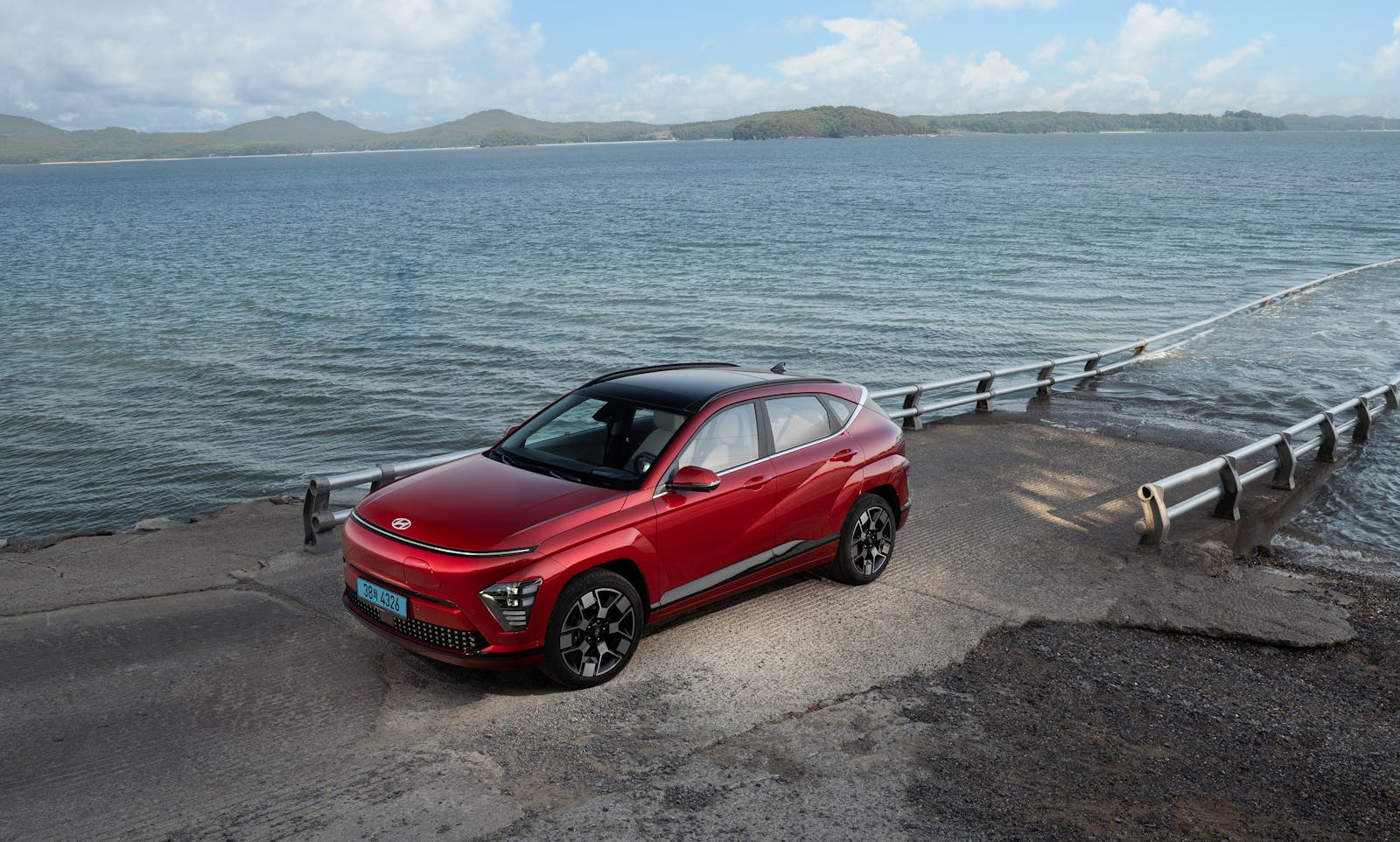
Despite the growing popularity of electric vehicles (EVs), potential buyers should be aware of several realities that current owners may not readily discuss. As more consumers consider transitioning from traditional gasoline vehicles to electric alternatives, understanding these lesser-known aspects can significantly impact purchasing decisions and ownership experiences.
1. Limited Range Can Be a Challenge
One of the most common concerns about electric cars is range anxiety. While many models, such as the 2023 Tesla Model 3, boast an impressive range of around 358 miles per charge, this can vary significantly based on driving habits, terrain, and climate. Cold weather, for example, can reduce range by up to 40%, which may leave owners scrambling for charging stations during winter months.
2. Charging Infrastructure is Still Growing
While the number of public charging stations has increased, it still lags behind the convenience of gas stations. According to the U.S. Department of Energy, there are roughly 63,000 public charging stations in the U.S., compared to over 150,000 gas stations. This uneven distribution can pose a significant inconvenience, especially in rural areas where charging stations may be scarce.
3. Repair Costs Can Be Higher Than Anticipated
Electric vehicles often require specialized repairs that can be more expensive than traditional vehicles. For example, replacing a battery in a 2020 Nissan Leaf can cost between $5,500 and $8,500. Owners must also consider the availability of qualified mechanics, as not all auto shops have the expertise to handle EV repairs, potentially leading to longer wait times and higher costs.
4. Battery Life and Replacement Concerns
While many EV manufacturers offer warranties that cover the battery for eight years or 100,000 miles, battery degradation is still a concern. Studies indicate that lithium-ion batteries can lose about 20% of their capacity over a decade, potentially requiring expensive replacements. For instance, a new battery for a 2021 Chevrolet Bolt can cost upwards of $16,000, making long-term ownership a financial gamble.
5. Environmental Impact is Not as Clear-Cut
Many consumers choose electric cars for their perceived environmental benefits. However, the manufacturing process for EV batteries can generate significant carbon emissions. According to the International Energy Agency, producing a lithium-ion battery can emit as much as 150 kg of CO2 per kilowatt-hour of battery capacity. This means the environmental advantages of electric cars may not be as substantial as some owners assume, particularly when considering the entire lifecycle of the vehicle.
6. Depreciation Rates Can Be Steeper
Electric vehicles often experience higher depreciation rates compared to gasoline vehicles. Research by Kelley Blue Book shows that EVs can lose up to 50% of their value within three years. Factors contributing to this rapid depreciation include the fast-paced evolution of technology and battery improvements, which can make older models seem outdated quickly.
7. Insurance Costs Can Be Higher
Insurance premiums for electric vehicles can be higher than those for traditional cars. A report from Insure.com indicates that EV owners pay, on average, 23% more for car insurance. This increase is attributed to the higher repair costs and the expense of replacement parts, particularly for advanced technology features that many electric cars include.
Conclusion: Make an Informed Decision
As electric vehicles continue to gain traction in the automotive market, it is essential for potential buyers to consider these realities before making a purchase. The allure of lower operating costs, government incentives, and environmental benefits can be enticing, but understanding the drawbacks can lead to more informed decisions. Those contemplating the switch to an electric car should weigh these factors carefully to ensure they choose a vehicle that meets their needs.
Before committing to an electric vehicle, research various models, evaluate total ownership costs, and consider your driving habits. Staying informed about the hidden challenges of EV ownership will empower consumers to make decisions that align with their lifestyles and financial situations. Don’t rush into the electric vehicle market; take the time to understand what you’re really getting into.