

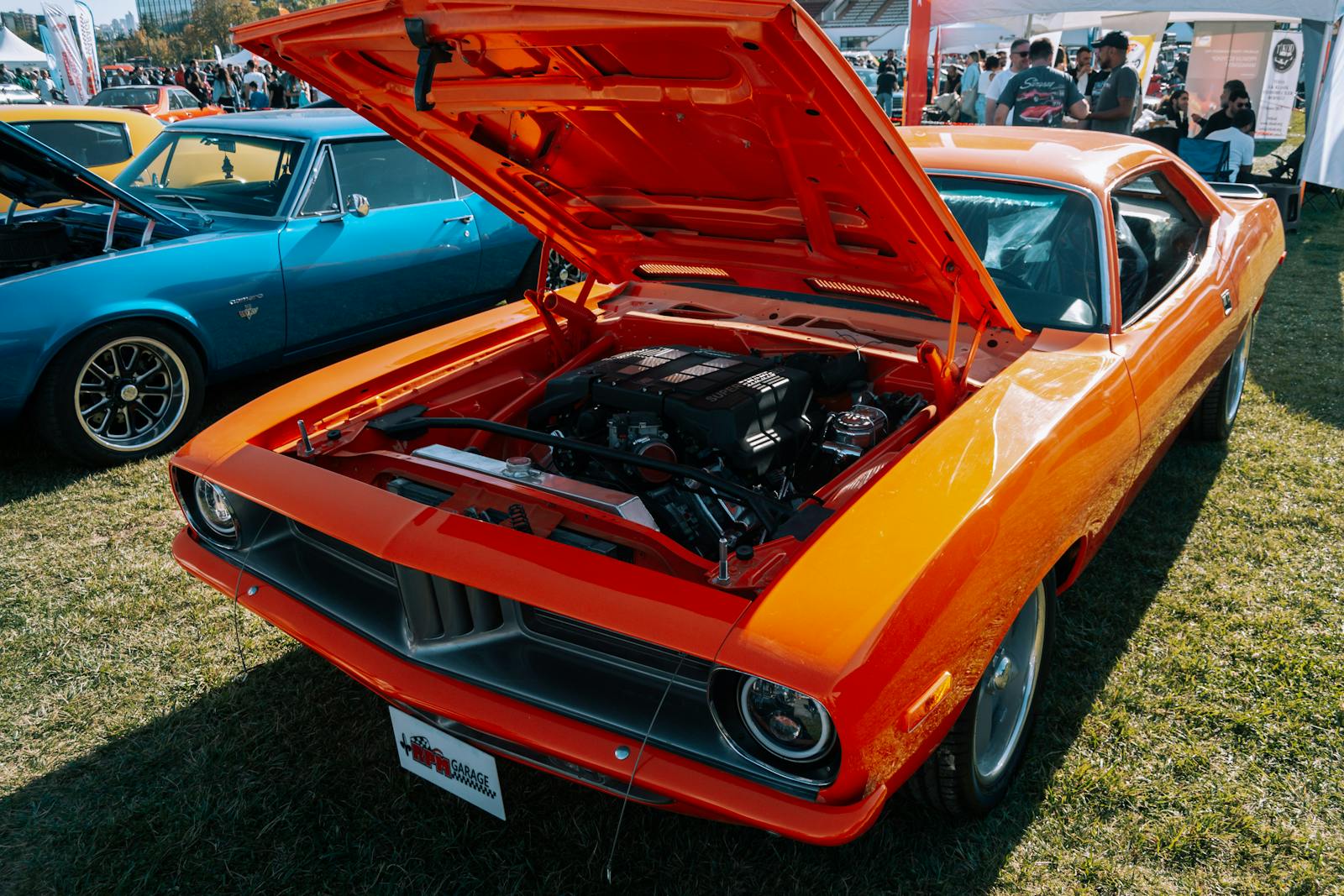
The automotive industry has witnessed numerous innovations, but not all engines have performed to expectations. Some models have been plagued by serious reliability issues, leading to poor performance and costly repairs for their owners. Understanding these problematic engines can help consumers make informed decisions and avoid future headaches.
1. Ford 6.0L Power Stroke Diesel (2003-2007)
The Ford 6.0L Power Stroke Diesel engine, used in various Super Duty trucks from 2003 to 2007, is notorious for its significant reliability issues. Many owners experienced catastrophic failures, particularly with head gaskets and EGR coolers, leading to costly repairs upwards of $5,000. The engine’s problems were so widespread that Ford issued several recalls and extended warranties to mitigate the backlash.
This engine’s shortcomings have affected thousands of truck owners, particularly those relying on their vehicles for heavy-duty tasks. The poor reputation of the 6.0L Power Stroke has led to decreased resale values and a lingering mistrust of Ford’s diesel offerings.
2. Chrysler 2.7L V6 (1998-2007)
Chrysler’s 2.7L V6 engine, featured in models such as the Dodge Intrepid and Chrysler 300M, is infamous for its premature failures. Many owners reported issues with oil sludge buildup, which could lead to engine seizures and a staggering repair cost that sometimes exceeded $4,000. The engine’s design was criticized for its inadequate oil lubrication system, which contributed to these severe problems.
This engine’s failures have affected thousands of vehicles, primarily in the mid-size sedan segment. The 2.7L V6’s reputation has led to a significant decline in consumer confidence in Chrysler products during its production years.
3. GM 3.1L and 3.4L V6 (1990-2005)
General Motors’ 3.1L and 3.4L V6 engines, used in models such as the Chevrolet Impala and Pontiac Grand Am, have a legacy marred by significant reliability issues. Common problems included intake manifold gasket failures that could lead to coolant leaks and engine overheating. Repair bills for these issues often ranged from $1,500 to $3,000, depending on severity.
These engines have left a lasting impact on GM’s reputation, especially among consumers who experienced the frustrating repairs. Many owners have since steered clear of GM vehicles due to the lack of trust in the brand’s reliability.
4. Volkswagen 2.0L TDI Diesel (2009-2015)
The Volkswagen 2.0L TDI Diesel engine became infamous during the emissions scandal that erupted in 2015. This engine was equipped with software designed to cheat emissions tests, leading to a massive backlash that affected millions of vehicles worldwide. The scandal resulted in significant financial penalties for the company and a tarnished reputation that led to a loss of consumer trust.
In addition to the legal issues, many owners faced challenges with engine performance and reliability, particularly with the vehicle’s fuel efficiency. The fallout from this scandal has affected Volkswagen’s sales figures, with many consumers opting for competitors rather than dealing with the controversy.
5. Subaru 2.5L DOHC (1996-2006)
The Subaru 2.5L DOHC engine, used in popular models such as the Subaru Outback and Forester, is known for head gasket failures that can lead to significant engine damage. Many owners reported issues occurring as early as 70,000 miles, with repair costs averaging around $2,500. The design flaws in this engine have resulted in a loss of confidence among Subaru enthusiasts and potential buyers.
This engine’s problems have led to a decline in Subaru’s reputation for reliability, especially among consumers who prioritize long-term vehicle performance. The frequency of issues associated with the 2.5L DOHC has prompted many to reconsider their choices when looking for a reliable compact or crossover SUV.
Conclusion: Stay Informed to Avoid Costly Mistakes
Understanding the history of problematic car engines can empower consumers to make more informed purchasing decisions. The engines highlighted in this article are just a few examples of how design flaws can lead to long-term issues and frustrations for vehicle owners. Consumers should thoroughly research engine performance and reliability before purchasing a vehicle to avoid the pitfalls of these notorious engines.
As the automotive landscape continues to evolve, staying informed is crucial. Make sure to consult reviews, forums, and expert opinions to ensure that your next vehicle choice is a reliable one