

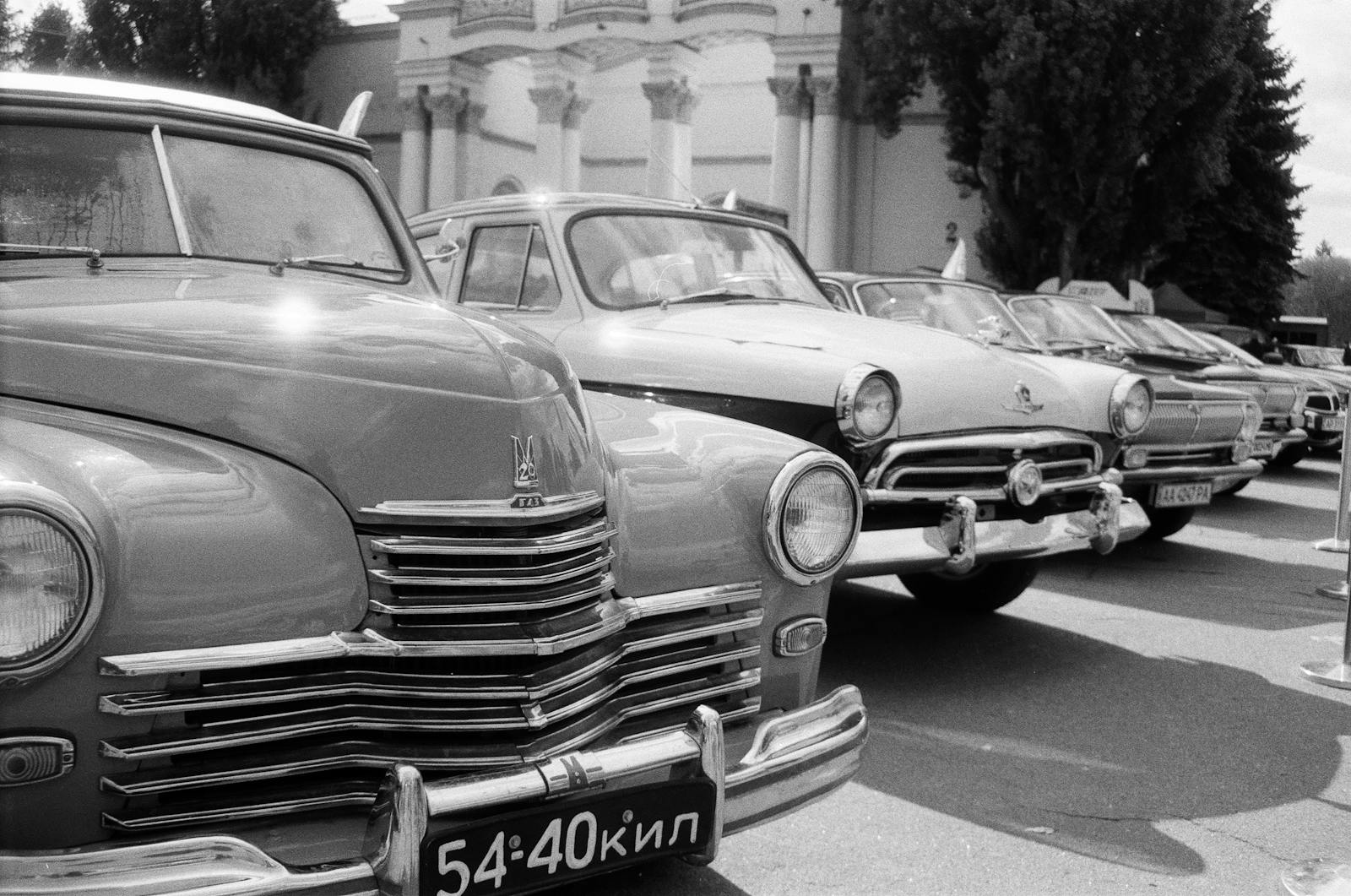
The 1950s were a transformative decade for the automobile industry, marked by innovation, style, and the dawn of the American car culture. While many iconic models from this era, such as the Chevrolet Bel Air and Ford Thunderbird, remain widely recognized today, several noteworthy vehicles have faded into obscurity. This article highlights five cars from the 1950s that are often overlooked, shedding light on their significance and impact on automotive history.
1. Nash Rambler (1950-1954)
The Nash Rambler was one of the first compact cars in the United States, introduced in 1950. It was designed to be affordable and fuel-efficient, appealing to a post-war audience looking for practicality without sacrificing style. The Rambler was notable for its unique design and was among the first cars to feature a “hardtop” body style without a center pillar, giving it a sleek profile. Sales peaked at over 100,000 units in 1954, demonstrating its popularity in a time of economic recovery.
2. Hudson Hornet (1951-1954)
The Hudson Hornet was renowned for its performance and design, becoming a dominant force in stock car racing during the early 1950s. With its powerful 308 cubic inch inline-six engine, the Hornet was capable of impressive speeds, winning numerous races and establishing a robust following. Despite its racing success, the Hornet’s innovative features, such as its low center of gravity and advanced suspension system, failed to translate into long-term commercial success. By the time production ceased in 1954, the Hornet had sold over 300,000 units but has since slipped from popular memory.
3. Packard Caribbean (1953-1956)
The Packard Caribbean was a luxury convertible that epitomized elegance and sophistication in the mid-1950s. Known for its distinctive design and premium features, the Caribbean catered to affluent buyers looking for a high-end driving experience. With only about 3,500 units produced during its run, the Caribbean remains a rare find among classic car enthusiasts today. Its decline in production was indicative of Packard’s struggles in a rapidly changing automotive landscape, leading to the company’s eventual demise in 1958.
4. Studebaker Avanti (1962-1963)
Though often overshadowed by its contemporaries, the Studebaker Avanti was revolutionary in its design and engineering when it was introduced in 1962. Initially marketed as a prototype for a new line of luxury sports cars, the Avanti featured a fiberglass body and was one of the first vehicles to embrace aerodynamics in its design. Despite its innovative nature, the Avanti struggled with production and financial difficulties, resulting in less than 5,000 units being produced in its initial run. Its unique styling and advanced features have since made it a sought-after classic.
5. Chevy Corvair (1960-1969)
While technically introduced in the 1960s, the Chevrolet Corvair has roots in the late 1950s and represents a pivotal shift in American automotive design. The Corvair was notable for its rear-engine layout and air-cooled engine, which set it apart from the traditional front-engine vehicles of its time. It became a subject of controversy due to Ralph Nader’s criticisms regarding its safety issues, leading to a significant decline in popularity. Despite these challenges, the Corvair remains an important part of automotive history, with over 1.7 million units sold before it was discontinued in 1969.
Why Remember These Cars?
The cars of the 1950s were more than just modes of transportation; they represented societal shifts, technological advancements, and personal freedoms. Each of the vehicles highlighted in this article contributed uniquely to the automotive landscape of the time. The decline of these models also serves as a reminder of how quickly trends can change in the automotive industry and the importance of remembering the history that shaped today’s vehicles.
Conclusion
As the automotive industry continues to evolve, it’s crucial to recognize and appreciate the vehicles that laid the groundwork for modern cars. From the Nash Rambler’s compact efficiency to the luxurious Packard Caribbean, these forgotten cars from the 1950s reflect a rich tapestry of innovation and style. Car enthusiasts and historians alike should take a moment to explore these vehicles and keep their legacies alive. If you’re intrigued by vintage cars, consider visiting local car shows or museums that feature classic models. Don’t let these pieces of history fade away—seek them out and celebrate their contributions to automotive culture.