

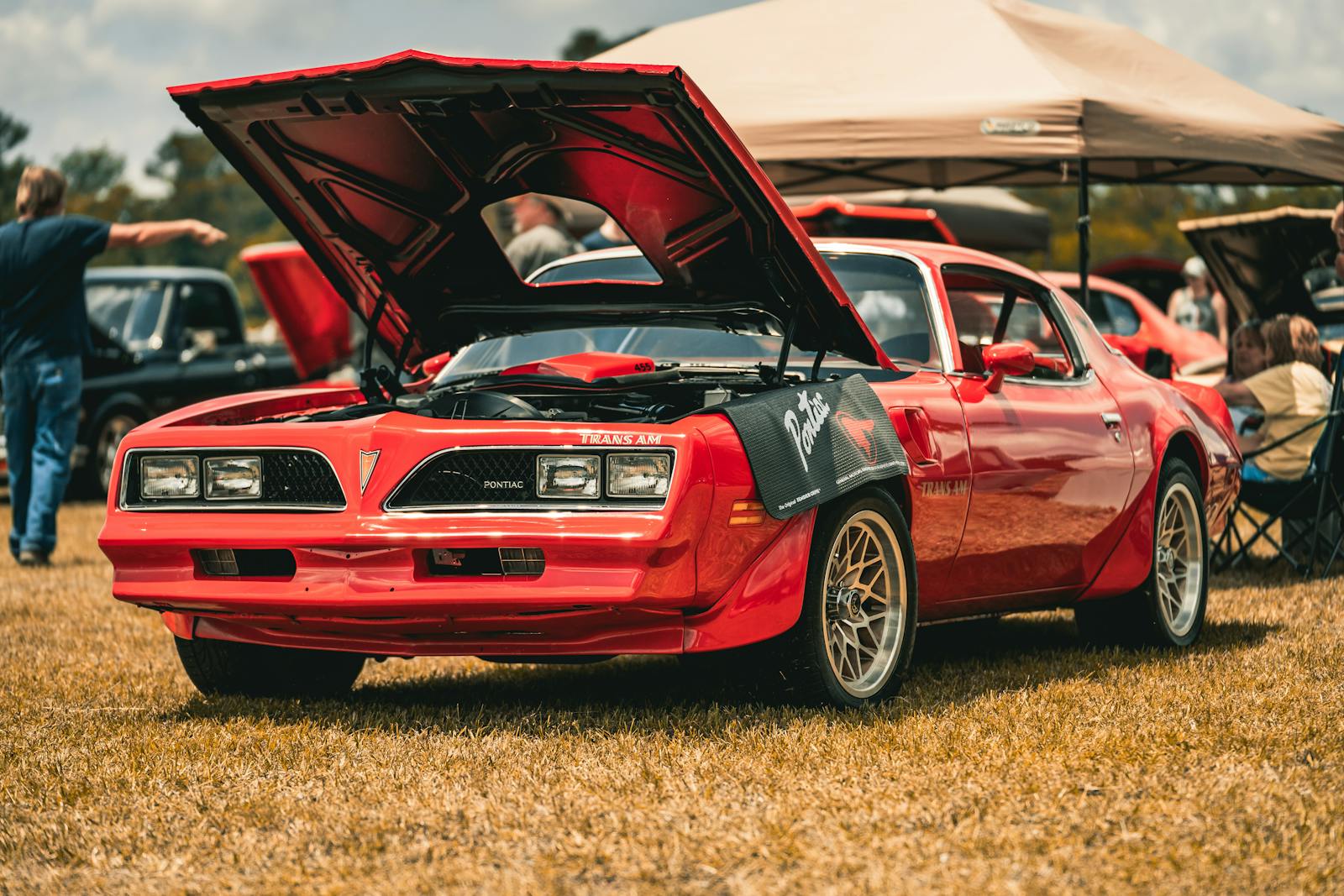
Throughout automotive history, several car engines have gained notoriety for their poor performance, reliability issues, and overall dissatisfaction among consumers. These engines have affected countless drivers, often leading to significant repair costs and safety concerns. Understanding the shortcomings of these engines is crucial for prospective buyers to avoid costly mistakes.
1. General Motors 3.1L V6 (1988–2005)
General Motors’ 3.1L V6 engine is frequently cited among the worst in automotive history. Found in a wide range of vehicles, including the Chevrolet Lumina and Pontiac Grand Prix, this engine is notorious for its head gasket failures, which could lead to severe engine damage. Reports suggest that a significant portion of the vehicles equipped with this engine experienced these issues, leading to an estimated 400,000 recalls over the years.
The prevalence of these problems has tarnished the reputation of GM, especially among drivers who relied on these models for their reliability. This engine’s shortcomings serve as a cautionary tale about the importance of thorough research before purchasing a used vehicle.
2. Ford 4.0L SOHC V6 (2001–2010)
The Ford 4.0L SOHC V6 engine, used primarily in the Ford Explorer and Ranger, has been criticized for its numerous mechanical failures. One of the most common problems associated with this engine is the failure of the timing chain, leading to costly repairs that can exceed $3,000. Additionally, many owners have reported issues with excessive oil consumption, which can lead to further damage over time.
Ford produced approximately 1.2 million vehicles with this engine during its production run, and the mounting complaints have prompted numerous class-action lawsuits. Prospective buyers should be cautious when considering models that house this engine.
3. Chrysler 2.7L V6 (1998–2007)
The Chrysler 2.7L V6 engine is another notorious example of problematic engineering in the automotive industry. Found in several models, including the Chrysler 300M and Dodge Intrepid, this engine is infamous for its oil sludge issues. Many owners have reported that the engine can suffer severe damage from oil buildup, leading to engine failure within just a few years of ownership.
Chrysler has faced numerous complaints and legal action over this engine, with an estimated 300,000 vehicles affected. Replacing the engine can cost upwards of $5,000, making it a risky choice for budget-conscious buyers.
4. Volkswagen 2.0L FSI (2005–2011)
Volkswagen’s 2.0L FSI engine, used in popular models like the GTI and Jetta, has earned a reputation for its carbon buildup issues. This engine was designed to provide better fuel efficiency but often fell short, leading to reduced performance over time. Many drivers have reported that the engine requires costly cleaning or replacement of the intake valves, with repair bills reaching up to $1,500.
With sales approaching 1 million for vehicles equipped with this engine during its production run, the impact on consumer satisfaction has been significant. Buyers of used VW models should be aware of this engine’s propensity for problems and consider having a thorough inspection before purchase.
5. Nissan 3.5L V6 (2002–2015)
Nissan’s 3.5L V6 engine has been used in numerous models, including the Altima and Maxima, but has also been plagued by issues related to its CVT (continuously variable transmission). Drivers have reported that the engine can suffer from premature wear, particularly in the timing chain and oil pump. The result has been a considerable number of complaints, with repair costs averaging around $3,500.
Over the course of its production, nearly 2 million vehicles were sold with this engine, affecting a large segment of the driving population. The dissatisfaction surrounding this engine has led to a decline in Nissan’s reputation for reliability, prompting consumers to think twice before purchasing models equipped with this engine.
Conclusion
These five engines are prime examples of how poor engineering can lead to widespread dissatisfaction among drivers. With thousands of complaints and significant repair costs, consumers must remain vigilant when considering used cars. Before making a purchase, it’s essential to research the engine specifications and potential issues to avoid the pitfalls associated with these models.
For anyone in the market for a used vehicle, take the time to educate yourself about these problematic engines.