

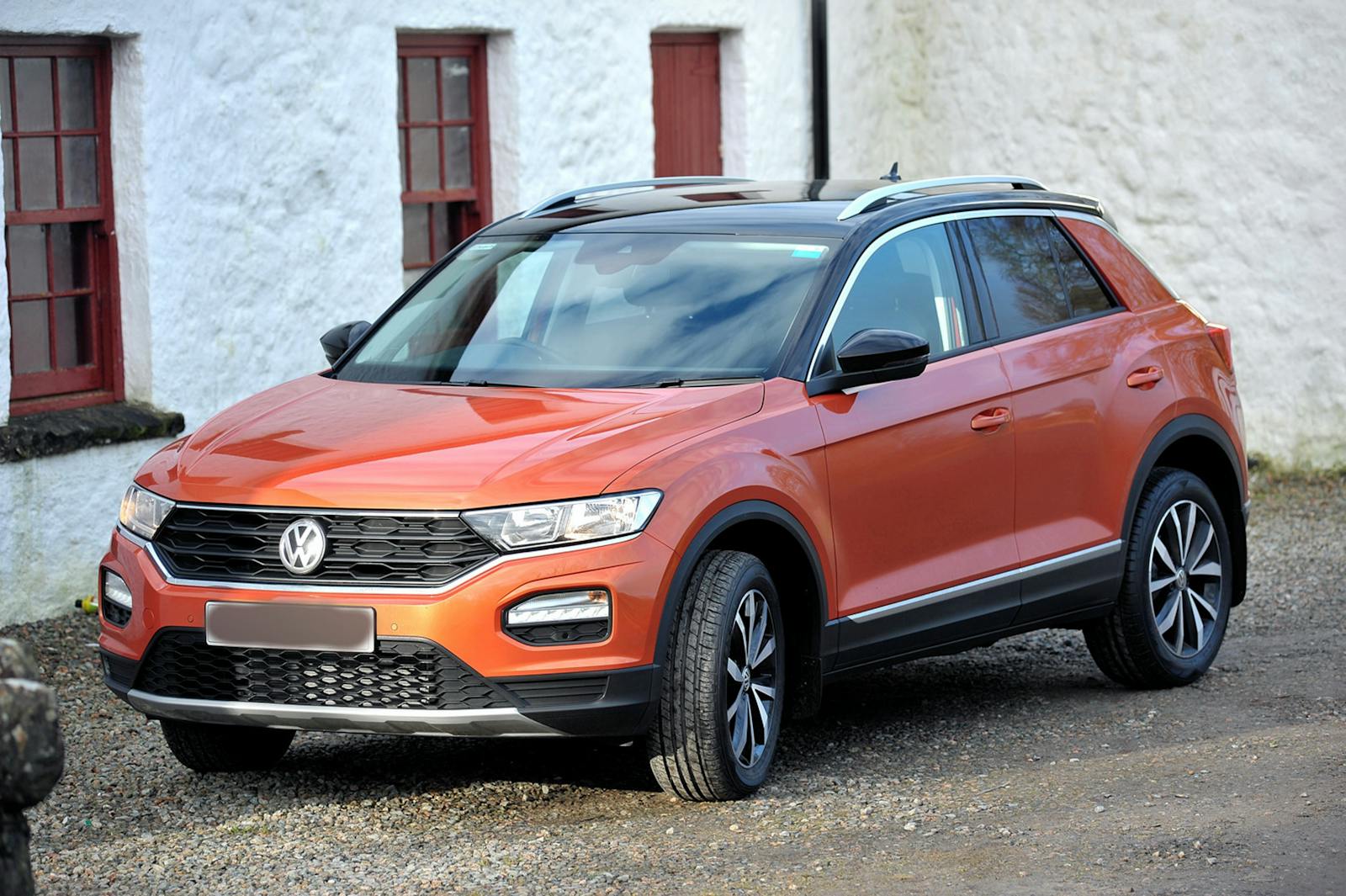
Recent data indicates that millions of SUVs are currently under recall across various manufacturers, highlighting critical safety issues that affect drivers nationwide. As companies like Ford, General Motors, and Hyundai grapple with significant defects in models from 2020 to 2023, it is crucial for drivers to remain informed about the recalls that could impact their vehicles and their safety.
Understanding the Scope of Recalls
According to the National Highway Traffic Safety Administration (NHTSA), over 15 million vehicles were recalled in the first half of 2023 alone, with a substantial portion consisting of SUVs. This figure marks a 20% increase compared to the same period in 2022, indicating a troubling trend in the automotive industry. The recalls encompass various issues, ranging from malfunctioning brakes to defective airbags that could jeopardize driver and passenger safety.
Key Models Affected by Recalls
Some of the most affected SUV models include the 2021–2023 Ford Explorer, which has been recalled due to potential transmission problems, and the 2022 Hyundai Tucson, facing issues with its fuel system. The 2020–2022 Jeep Grand Cherokee has also been included in recent recalls, primarily due to electrical system malfunctions that may lead to fires. Owners of these vehicles should actively monitor recall announcements to ensure their safety on the road.
The Importance of Timely Action
Drivers need to understand the urgency of addressing recalls. While manufacturers often notify customers via mail, not all owners receive these notifications promptly. It is estimated that only about 70% of recalled vehicles get repaired, leaving a significant number of potentially dangerous vehicles on the road. Ignoring recall notices can lead to severe consequences, including accidents that could have been prevented with timely repairs.
How to Determine If Your Vehicle is Affected
To find out if your SUV is subject to a recall, visit the NHTSA’s website and enter your vehicle identification number (VIN). This unique 17-character code provides specific information about your vehicle’s recall history. Additionally, many manufacturers have their own online tools for checking recalls, making it easier for owners to stay informed.
Manufacturer Responsibilities and Consumer Rights
Under federal law, manufacturers are required to fix defects at no cost to the vehicle owner. This includes repairs, parts replacements, and sometimes even vehicle buybacks if the issues are severe enough. However, consumers should be proactive in contacting their dealerships or manufacturers to initiate repairs, as delays in reporting can lead to more significant problems down the line.
The Financial Implications of Recalls
Vehicle recalls not only impact safety but can also have financial repercussions for manufacturers. In 2023, automakers have collectively incurred over $1.5 billion in costs related to recalls, a figure that includes repairs, legal fees, and potential fines. For consumers, unresolved recalls can lead to decreased vehicle value and higher insurance premiums, making it financially prudent to address any recall issues as soon as possible.
What to Expect During the Recall Process
During the recall process, vehicle owners should anticipate receiving detailed instructions from manufacturers regarding the necessary steps to take. This may include scheduling an appointment with their local dealership for inspection and repairs. Most repairs can be completed within a few hours, and dealers often provide rental vehicles if the repairs take longer than expected.
Staying Informed and Safe
As the number of SUV recalls continues to rise, staying informed is crucial for all vehicle owners. Subscribing to alerts from the NHTSA and following automotive news can provide valuable updates. Additionally, joining online forums or community groups can foster awareness and share experiences among other SUV owners.
Call to Action
If you own a recent SUV model, take immediate steps to check for recalls that may affect your vehicle. Visit the NHTSA website or contact your manufacturer today. Ensuring that your vehicle is safe to drive is not just a matter of compliance; it could save your life and the lives of others on the road. Don’t wait until it’s too late—act now to protect yourself and your loved ones.