

New tariffs on auto parts are set to increase repair costs for consumers across the United States, affecting everything from routine maintenance to major repairs. These tariffs, which are expected to rise by 25%, will impact a wide array of components used in vehicle repairs, from brake pads to engine parts. As a result, car owners may see their bills increase significantly, making it crucial for drivers to understand the implications of these changes.
Background on Tariff Increases
The Biden administration announced the new tariffs as part of ongoing trade negotiations aimed at reshaping the auto industry and reducing reliance on foreign manufacturers. The tariffs primarily target parts imported from countries perceived to engage in unfair trade practices. This move is not just about protecting domestic manufacturing; it also aims to bolster the economy by encouraging local production of automotive components.
According to the U.S. International Trade Commission, the tariffs could affect approximately 40% of all auto parts sold in the country. This means that the average consumer can expect to pay more for both parts and labor as repair shops adjust their pricing to offset increased costs.
Impact on Common Repairs
The increased tariffs will directly affect common vehicle repairs. For instance, a brake replacement on a 2020 Honda Civic, which typically costs around $300, could rise to $375 or more due to the increased parts costs. Similarly, a routine oil change that usually runs about $50 may become more expensive as mechanics pass on the cost of oil filters and other components that are now subject to higher tariffs.
Major auto parts retailers like AutoZone and O’Reilly Automotive are already warning customers about impending price increases. In a recent statement, AutoZone’s CEO noted that “the increased tariffs will undoubtedly affect our pricing strategies and ultimately, our customers.” This sentiment is echoed across the auto repair industry, where many shops are bracing for the economic ripple effect.
Specific Models at Risk
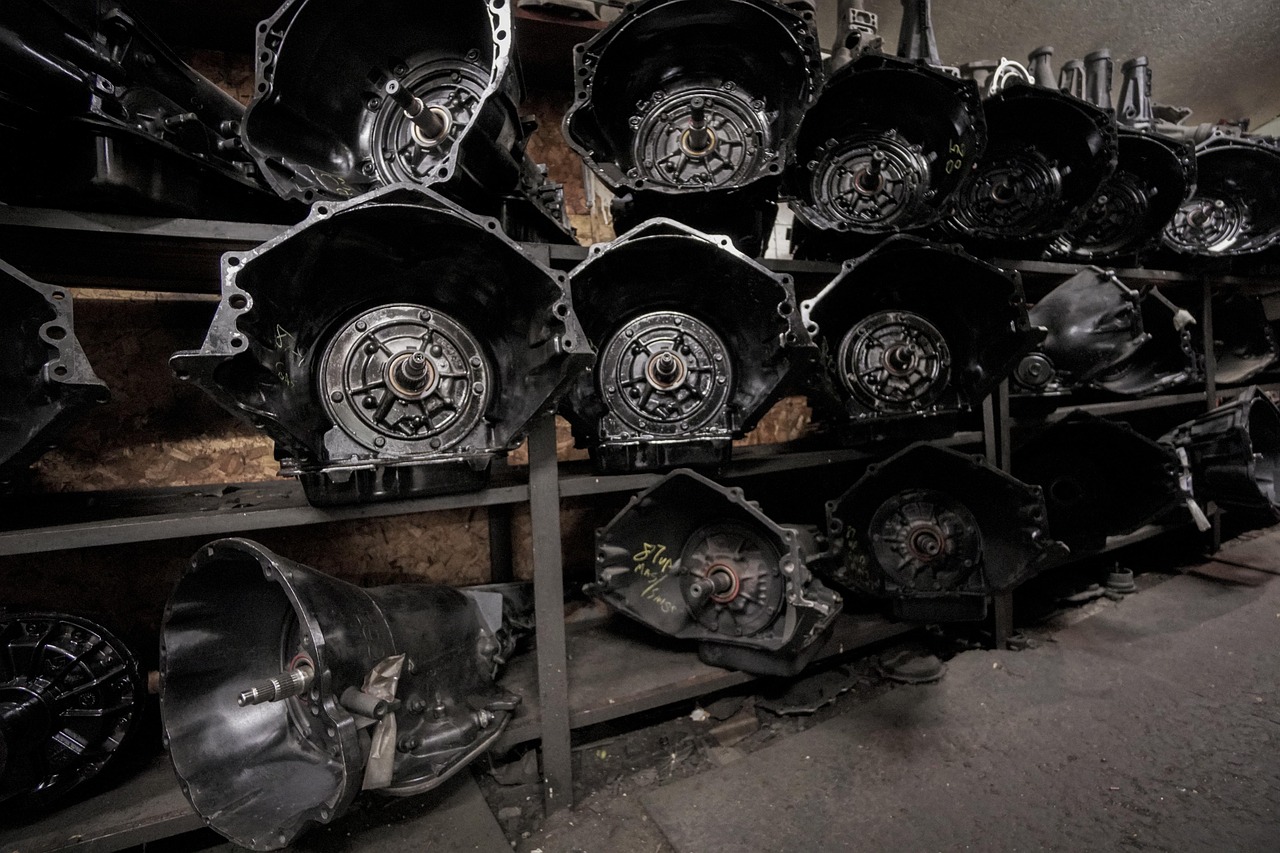
Consumers driving popular models such as the 2021 Ford F-150 or the 2022 Toyota RAV4 should be particularly aware of how these tariffs could impact their repair bills. Parts for these models are often sourced from overseas suppliers, making them vulnerable to price hikes. For instance, a transmission repair on a 2021 Ford F-150 can range from $1,500 to $3,500, depending on the severity of the issue. With tariffs in play, the cost could easily climb by several hundred dollars.
Moreover, independent repair shops that rely heavily on imported parts may struggle to keep their prices competitive, leading to higher costs for consumers. This could push some drivers to delay necessary repairs, potentially resulting in more serious issues down the line.
Long-Term Economic Implications
Experts warn that these rising costs could have a broader economic impact beyond individual repair bills. The automotive repair industry is a significant part of the U.S. economy, contributing over $100 billion annually. If consumers choose to forgo repairs due to higher costs, it could result in a decline in business for local repair shops, leading to layoffs and a slowdown in economic activity.
Additionally, with the recent rise in vehicle prices and interest rates, car ownership is already becoming less affordable for many Americans. The combination of more expensive repairs and higher vehicle costs could further strain household budgets, particularly for lower- and middle-income families who rely on their vehicles for work and daily activities.
Advice for Consumers
As these tariffs take effect, consumers are encouraged to take proactive steps to mitigate the financial impact. One strategy is to shop around for quotes from different repair shops, as some may be able to offer more competitive pricing than others. Additionally, consumers should consider routine maintenance checks to address potential issues before they escalate into costly repairs.
Furthermore, it may be wise to stock up on essential maintenance items, such as oil filters or brake pads, before prices rise further. Online retailers and local auto parts stores may have promotions or discounts available that can help offset future costs.
Conclusion: Act Now to Prepare
With rising auto parts tariffs on the horizon, consumers must prepare for potential increases in their repair bills. Understanding the implications of these tariffs is essential for making informed decisions about vehicle maintenance and repair. As costs are likely to rise, being proactive can help mitigate the financial strain on your budget.
Don’t wait until your next repair to consider these factors; start planning now. Evaluate your vehicle’s maintenance needs, compare repair shop prices, and consider stocking up on essential parts. Act now to protect your wallet from the impending tariff-related costs!