

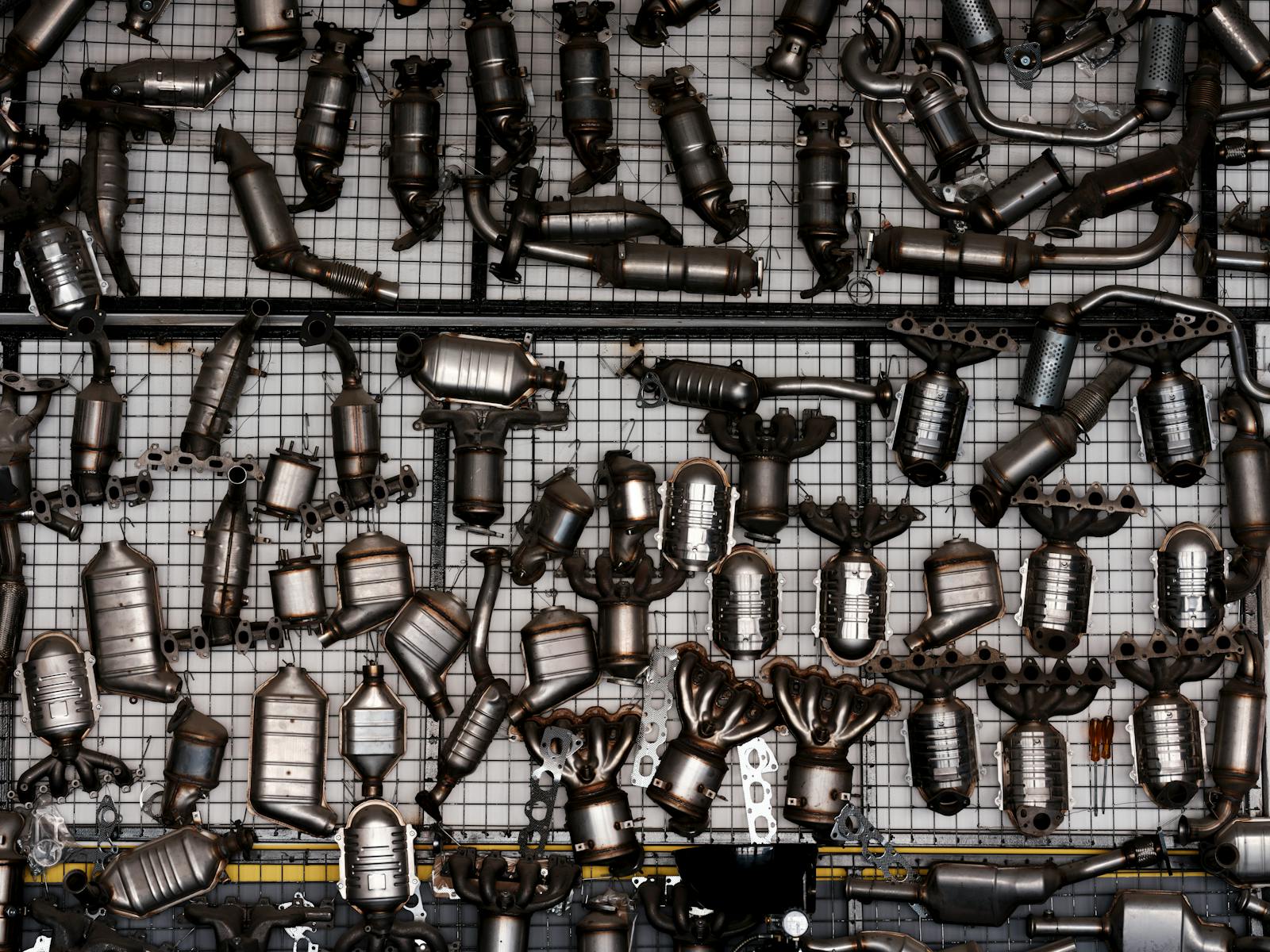
The recent tariffs imposed on certain imported goods are set to increase the prices of after-market auto parts, directly affecting consumers and the automotive repair industry. With tariffs reaching as high as 25% on specific components, car owners and repair shops may find themselves paying significantly more for essential parts, impacting both vehicle maintenance and repair costs across the board.
Understanding the Tariff Landscape
The U.S. government has implemented a series of tariffs aimed at reducing the trade deficit and promoting domestic manufacturing. While these tariffs have been effective in certain sectors, they have created a ripple effect in the automotive industry, particularly for after-market parts. The tariffs primarily target parts manufactured in countries like China, affecting a wide range of components that are crucial for vehicle repairs and upgrades.
What Parts Are Affected?
After-market auto parts encompass a broad category, including brake pads, filters, suspension components, and electronic parts. For instance, after-market brake pads for popular vehicles like the 2020–2022 Ford F-150 will likely see price increases due to the tariffs. Experts predict that the cost of these essential parts could rise by 10% to 20% over the next year, depending on the specific part and its country of origin.
Impact on Consumers
The implications of these increased costs extend beyond just repair shops. Consumers who rely on after-market parts for vehicle maintenance will face higher prices for repairs and replacements. For example, if a set of after-market brake pads previously cost $100, the new price could jump to $120 or more. This price increase can lead to difficult choices for consumers, particularly those on tight budgets.
Effects on the Automotive Repair Industry
Automotive repair shops are also bracing for the impact of these tariffs. Many independent shops rely heavily on after-market parts, and an increase in costs could force them to raise their labor rates or pass on the costs to customers. According to the National Automotive Parts Association (NAPA), nearly 70% of parts used in repairs are sourced from after-market suppliers, emphasizing the potential widespread effects.
Potential Solutions for Consumers
As prices for after-market parts rise, consumers may need to explore alternative solutions to manage their vehicle repair costs. One option is to consider used or refurbished parts, which can provide significant savings. Additionally, some consumers may find it beneficial to shop around for different suppliers, as pricing can vary widely between retailers. Online marketplaces and local auto parts stores may offer competitive pricing that can help mitigate the impact of the tariffs.
The Future of After-Market Auto Parts Pricing
Industry analysts expect that the tariffs will remain in place for the foreseeable future, which means consumers should prepare for ongoing increases in after-market part prices. The longer the tariffs are enforced, the more entrenched these price adjustments will become in the market. This situation could lead to a greater reliance on domestic manufacturing, but the transition may take time, and immediate relief is unlikely.
Conclusion: Take Action Now
The tariffs on imported auto parts are set to significantly impact what consumers pay for after-market components in the near future. With potential price increases ranging from 10% to 20%, car owners should assess their vehicle maintenance needs and consider budgeting for higher repair costs. Exploring alternatives, such as used parts or different suppliers, may offer some relief. As the situation evolves, staying informed and proactive will be crucial for consumers facing these new financial pressures.