

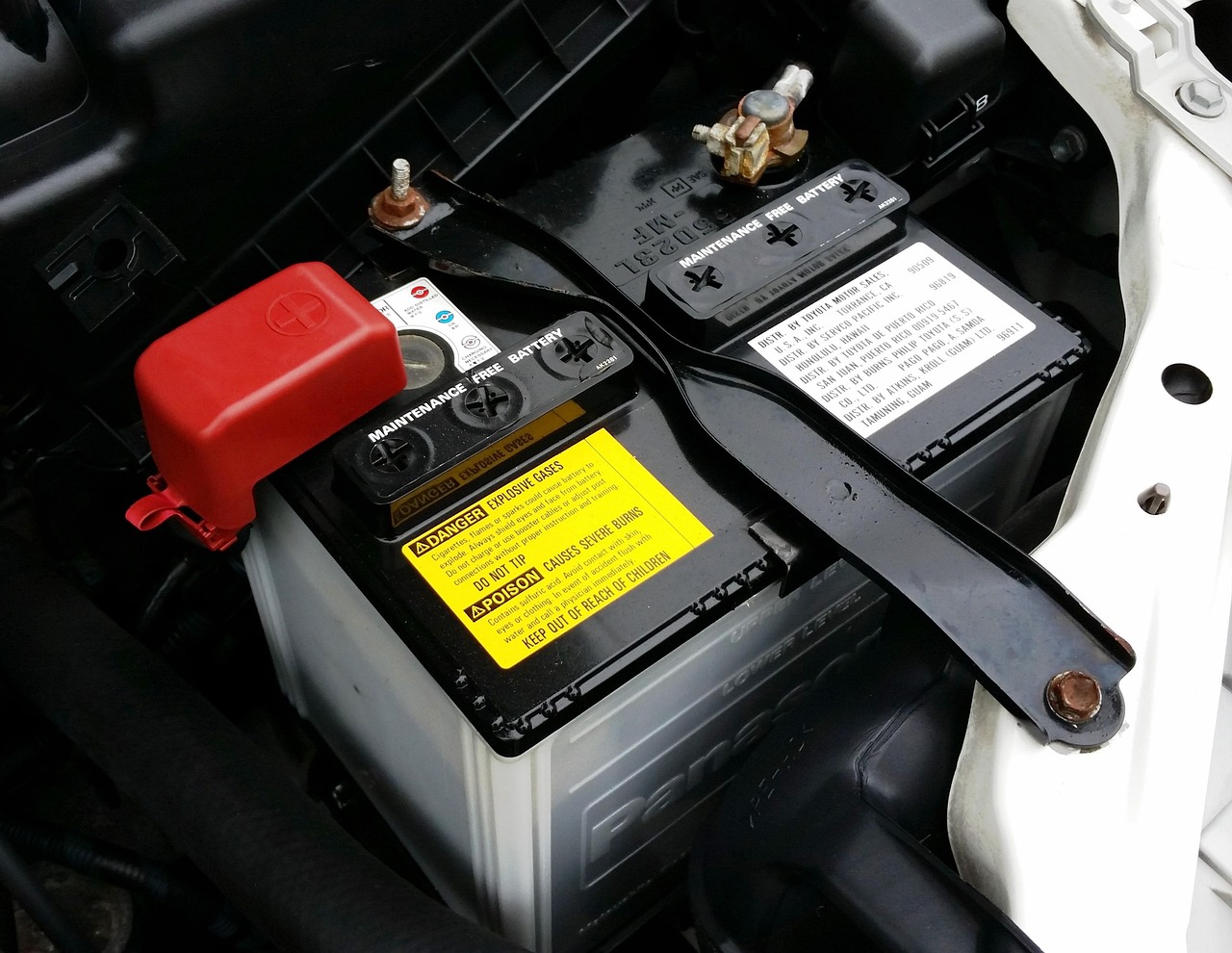
The cost of imported electric vehicle (EV) batteries has surged dramatically, driven by new tariffs that have significantly impacted both manufacturers and consumers. This escalation in battery prices threatens to slow down the transition to electric vehicles at a critical time when the market is increasingly focused on sustainability and reducing carbon emissions. As EV sales continue to climb, the implications of these tariffs are becoming more pronounced for automakers and prospective car buyers alike.
Understanding the Tariff Landscape
In recent months, the U.S. government has implemented tariffs on a range of imported goods, including lithium-ion batteries essential for electric vehicles. The tariffs, designed to protect domestic manufacturers, have raised the cost of imported batteries by as much as 25%. This increase comes at a time when EV sales are experiencing unprecedented growth, with U.S. sales expected to surpass 2 million units in 2023, according to market analysts.
Industry experts warn that the tariffs could lead to an increase in the average price of an electric vehicle, which is already higher than that of traditional gasoline-powered cars. For instance, the base model of the 2023 Tesla Model 3, which previously started at approximately $39,000, may see prices escalate further due to the higher costs of battery components. As manufacturers struggle to absorb these costs, consumers may ultimately bear the brunt of the price hikes.
The Impact on Manufacturers
Major automakers, including Ford and General Motors, are facing tough decisions as they navigate the complexities of the tariff landscape. Ford has already reported an increase in production costs for its upcoming 2023 Ford F-150 Lightning electric pickup truck, which relies heavily on imported battery technology. The company has indicated that it is exploring ways to mitigate these costs, including sourcing batteries domestically or from countries with lower tariff exposure.
General Motors has also felt the financial strain, with CEO Mary Barra stating in a recent earnings call that the company is committed to electric vehicles but that rising battery costs could delay some planned EV launches. The company’s Chevrolet Bolt EV, which was once priced attractively in the market, is already seeing price adjustments to accommodate the increased battery costs. The volatility in battery pricing could hinder the broader adoption of EVs, particularly among price-sensitive consumers.
Consumer Reactions and Market Outlook
Consumers are becoming increasingly aware of the impact that tariffs are having on EV prices. According to a recent survey conducted by the Consumer Reports organization, nearly 60% of potential EV buyers indicated that price is a significant barrier to their purchasing decision. With the average price of an electric vehicle now hovering around $66,000, many consumers are reconsidering their options, which could stall the momentum of the EV market.
Analysts predict that if the tariffs remain in place, the U.S. could see a slowdown in EV adoption rates. The Biden administration’s goal to have 50% of all new vehicle sales be electric by 2030 could be jeopardized if prices continue to climb. The urgency for automakers to find cost-effective solutions is palpable, as every month of uncertainty could translate into lost sales and missed opportunities.
Long-Term Implications for the EV Market
The current tariff situation raises questions about the long-term viability of the EV market in the United States. As the global demand for electric vehicles increases, countries like China and Germany are ramping up their production capabilities and potentially benefiting from lower production costs. If American manufacturers cannot compete on price, they risk losing market share to international competitors.
Furthermore, the rising costs of EV batteries could hinder technological advancements in battery efficiency and sustainability. Battery technology is crucial for improving the range and performance of electric vehicles, and higher costs could delay the research and development of next-generation battery solutions. This could stifle innovation at a time when the industry is poised for significant advancements.
What Can Be Done?
In response to the rising costs associated with tariffs, industry leaders are advocating for legislative changes that could alleviate some of the financial pressures on manufacturers and consumers. Proposals include reducing or eliminating tariffs on battery imports or incentivizing domestic battery production through grants and subsidies. These measures could help stabilize prices and support the growth of the EV market.
Consumers are encouraged to stay informed about the potential impacts of tariffs on the vehicles they are considering and to explore available incentives for electric vehicle purchases. Federal and state tax credits, rebates, and grants can help offset the increased costs associated with the current tariff environment.