

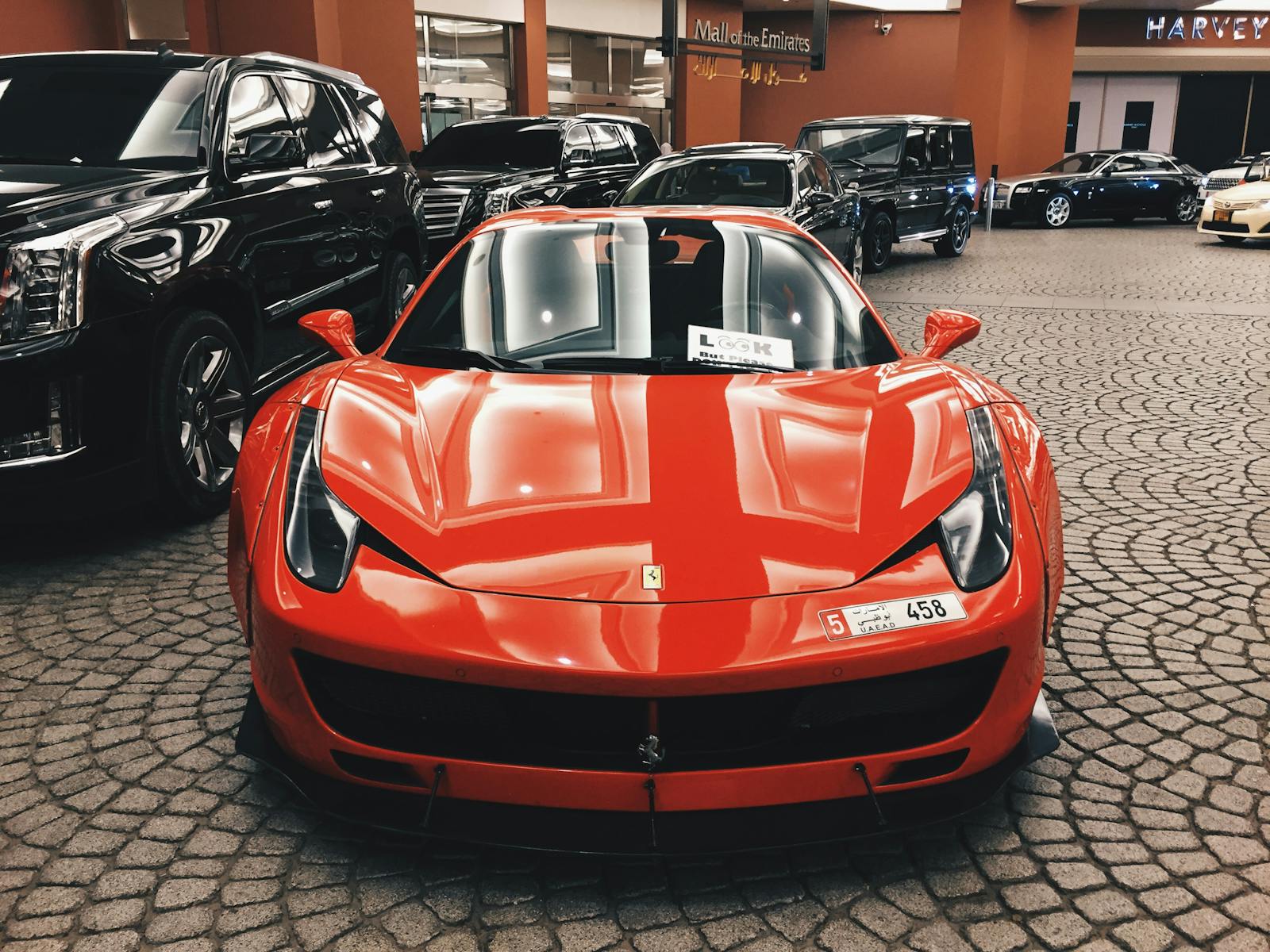
The recent imposition of tariffs on luxury vehicle imports is expected to significantly decrease the variety of models available to consumers in the United States. This shift is particularly crucial for luxury brands such as BMW, Mercedes-Benz, and Audi, which rely heavily on imports to meet American consumer demand. As tariffs increase costs, manufacturers may limit the number of imported models to maintain profitability, potentially altering the luxury vehicle landscape in the U.S.
Understanding the Tariff Impact
The U.S. government has announced a new set of tariffs targeting imported vehicles, specifically affecting high-end brands that dominate the luxury market. Currently, tariffs on imported vehicles can reach as high as 25%, a figure that has raised concerns among industry analysts. This financial burden could lead to higher retail prices for consumers, prompting brands to reconsider their import strategies.
According to a recent report by the Automotive Industry Association, over 60% of luxury vehicle sales in the U.S. come from imported models. For instance, the 2022 BMW X5 and the 2023 Mercedes-Benz GLE are produced overseas but are crucial to their respective brands’ lineups in the American market. With increased tariffs, manufacturers may choose to reduce the number of imported models to avoid passing hefty costs onto consumers.
Consumer Preferences and Market Dynamics
American consumers have shown a strong preference for imported luxury vehicles, with models like the 2022 Audi Q7 and the 2023 Lexus RX consistently ranking among the best-selling in their categories. However, as tariffs make these vehicles more expensive, consumers may be forced to reconsider their choices. Market analysts predict a potential shift toward domestic luxury models, which could change the competitive landscape.
Luxury brands have traditionally differentiated themselves through a wide variety of models, catering to diverse consumer tastes. However, if tariffs continue to influence pricing structures, automakers may streamline their offerings, focusing on fewer models that promise higher profitability. This transition could lead to fewer choices for consumers who appreciate the uniqueness of imported luxury vehicles.
Long-Term Consequences for Luxury Brands
The long-term effects of these tariffs could be profound. Companies like Porsche, known for models such as the 2021 911, may find it increasingly difficult to justify the importation of less popular models. In response, these brands might pivot towards producing more vehicles domestically or investing in local manufacturing facilities to bypass tariffs altogether.
Additionally, the luxury car market is highly competitive, and brands like Tesla have already demonstrated that domestic production can lead to lower costs and quicker delivery times. If traditional luxury brands fail to adapt, they risk losing market share to competitors who can provide more competitive pricing due to localized production.
Potential for Price Increases
As manufacturers adjust to the new tariff landscape, consumers can expect to see price increases on imported luxury vehicles. A recent study showed that tariffs could raise prices by an average of 5% to 15% on high-end models. For example, a 2023 Mercedes-Benz S-Class, typically priced around $110,000, could see its price tag soar to over $126,500 as a result of the tariffs.
This spike in prices may not only deter potential buyers but could also exacerbate the trend of turning to used luxury vehicles, which typically do not face the same import tariffs. As consumers seek more affordable options, the luxury market may experience a notable shift, leading to a greater emphasis on used vehicle sales rather than new models.
Industry Response and Future Outlook
In light of these challenges, luxury brands are likely to lobby for changes to tariff policies, advocating for exemptions or reductions. Industry experts are keeping a close watch on how automakers will respond to these tariffs and whether they will prioritize domestic production in the coming years. The future of luxury vehicle imports hinges on the broader economic climate and trade relations between the U.S. and other countries.
Furthermore, luxury brands may also explore innovative strategies, such as increasing customization options for existing models or enhancing their marketing efforts to attract buyers to domestic alternatives. These adjustments could help mitigate the impact of tariffs and maintain a competitive edge in a rapidly evolving market.
A Call to Action for Consumers
As the luxury vehicle market braces for changes due to tariffs, consumers are urged to stay informed about their options. The landscape is shifting, and the time to act is now. Potential buyers should evaluate their preferences and consider the implications of these tariffs on their purchasing decisions. Whether opting for a new or used model, being aware of the impending changes could lead to more informed and financially sound choices in the luxury vehicle market.