

As the automotive industry undergoes rapid transformation, seven new business models are set to reshape the sector by 2026. This shift will primarily affect manufacturers, consumers, and investors, as traditional car ownership models give way to innovative alternatives that promise greater accessibility and sustainability.
1. Subscription Services
Subscription services are expected to gain significant traction by 2026, offering consumers the flexibility of using vehicles without the long-term commitment of ownership. Companies like Volvo and Porsche have already begun testing subscription models, where customers pay a monthly fee to access a range of vehicles. This model allows users to switch cars based on their needs, such as opting for a compact car during the week and a larger SUV for weekend trips.
2. Electric Vehicle (EV) Charging Networks
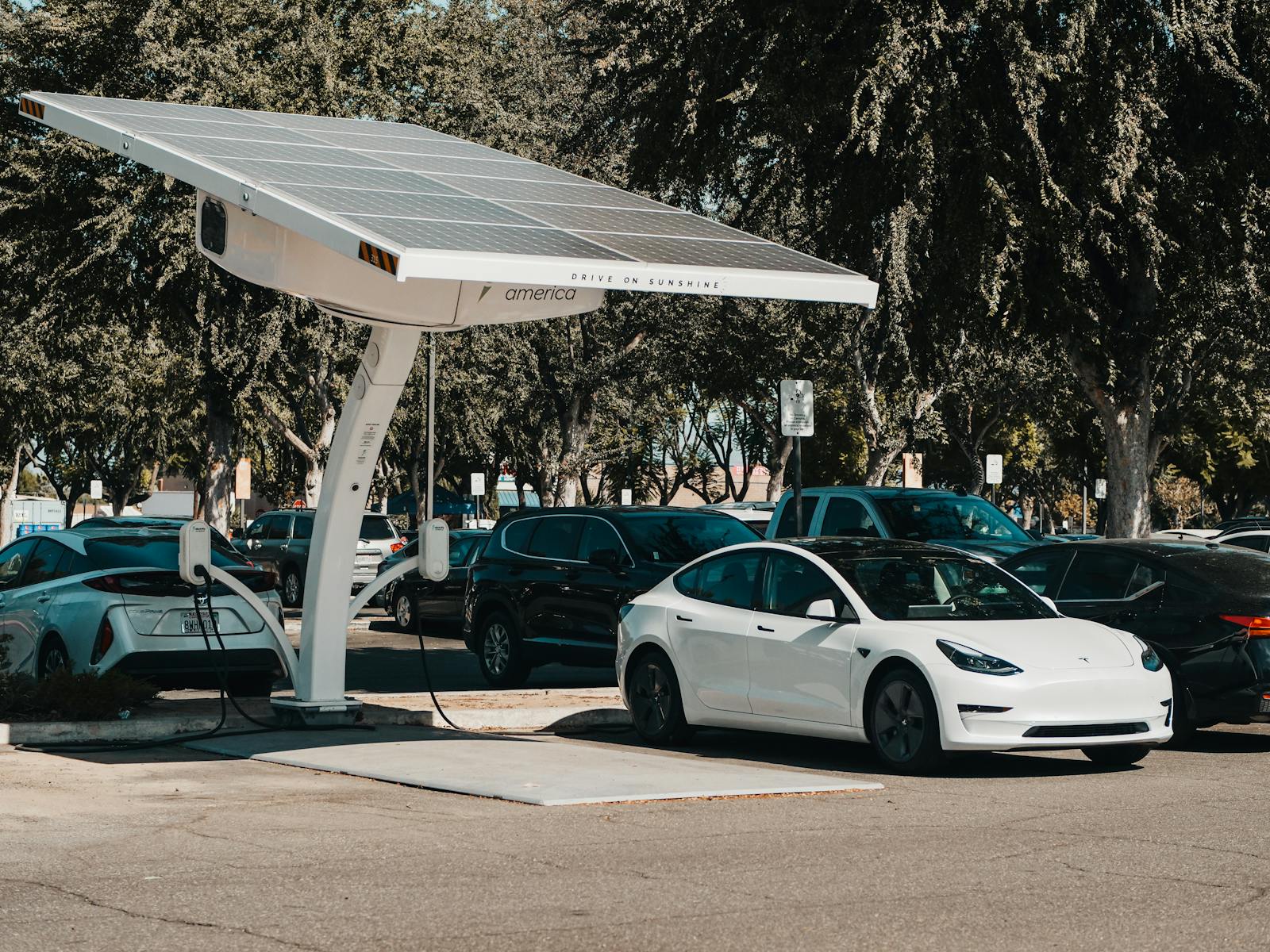
With the global push for electric vehicles, companies are focusing on developing comprehensive EV charging networks. Tesla’s Supercharger network is a prime example, and by 2026, expect new players like Rivian and Lucid Motors to establish their own charging solutions. The EV market is projected to reach 30% of total vehicle sales by 2030, making convenient charging options essential for consumer adoption.
3. Mobility-as-a-Service (MaaS)
Mobility-as-a-Service (MaaS) integrates various transportation services into a single accessible platform, streamlining urban mobility. By 2026, cities are anticipated to adopt MaaS solutions, combining public transport, ride-sharing, and even bike rentals into a cohesive user experience. For instance, companies like Uber and Lyft are already exploring partnerships with public transit systems to facilitate seamless travel.
4. Autonomous Vehicle Fleet Operations
The rise of autonomous vehicles is pushing companies to rethink their operational models. By 2026, we can expect fleets of self-driving cars to be utilized for ride-hailing services, reducing the need for personal vehicles. Companies like Waymo and Cruise are leading the charge, aiming to deploy fully autonomous fleets in urban areas, which could drastically reduce traffic congestion and emissions.
5. Vehicle-to-Grid (V2G) Technology
Vehicle-to-Grid (V2G) technology is emerging as a viable business model, allowing electric vehicles to return electricity back to the grid. By 2026, this technology could enable EV owners to sell stored energy during peak demand hours, creating a new revenue stream. Companies like Nissan have already begun pilot programs, showing potential savings of up to $5,000 annually for participants.
6. Enhanced Digital Retail Experiences
The digital transformation of automotive retail is poised to continue evolving, with more consumers preferring online vehicle purchases. By 2026, automakers and dealerships are expected to provide virtual showrooms and augmented reality experiences to enhance the buying process. A recent study indicated that 70% of consumers prefer researching vehicles online before visiting a dealership, driving this trend forward.
7. Circular Economy Initiatives
As sustainability becomes a priority, circular economy initiatives are likely to be adopted widely in the auto industry by 2026. This model focuses on maximizing product life cycles and minimizing waste, including the recycling of materials and components. Companies like BMW are already investing in sustainable production practices, aiming for 50% of their vehicle materials to be recyclable by 2030.
Conclusion
The auto industry is on the cusp of significant change, with these seven business models set to redefine how consumers interact with vehicles. As subscription services gain popularity and charging networks expand, consumers will have more options than ever. The rise of MaaS and autonomous fleets will further transform urban transportation, while V2G technology offers innovative solutions for energy management. Digital retail experiences and circular economy initiatives reflect a growing focus on sustainability and consumer preference.
As these trends unfold, it is crucial for consumers and investors to stay informed and adapt to the evolving landscape of the automotive industry. For those interested in the future of transportation, keeping an eye on these developments will be essential. Act now to ensure you are prepared for the changes coming in 2026.