

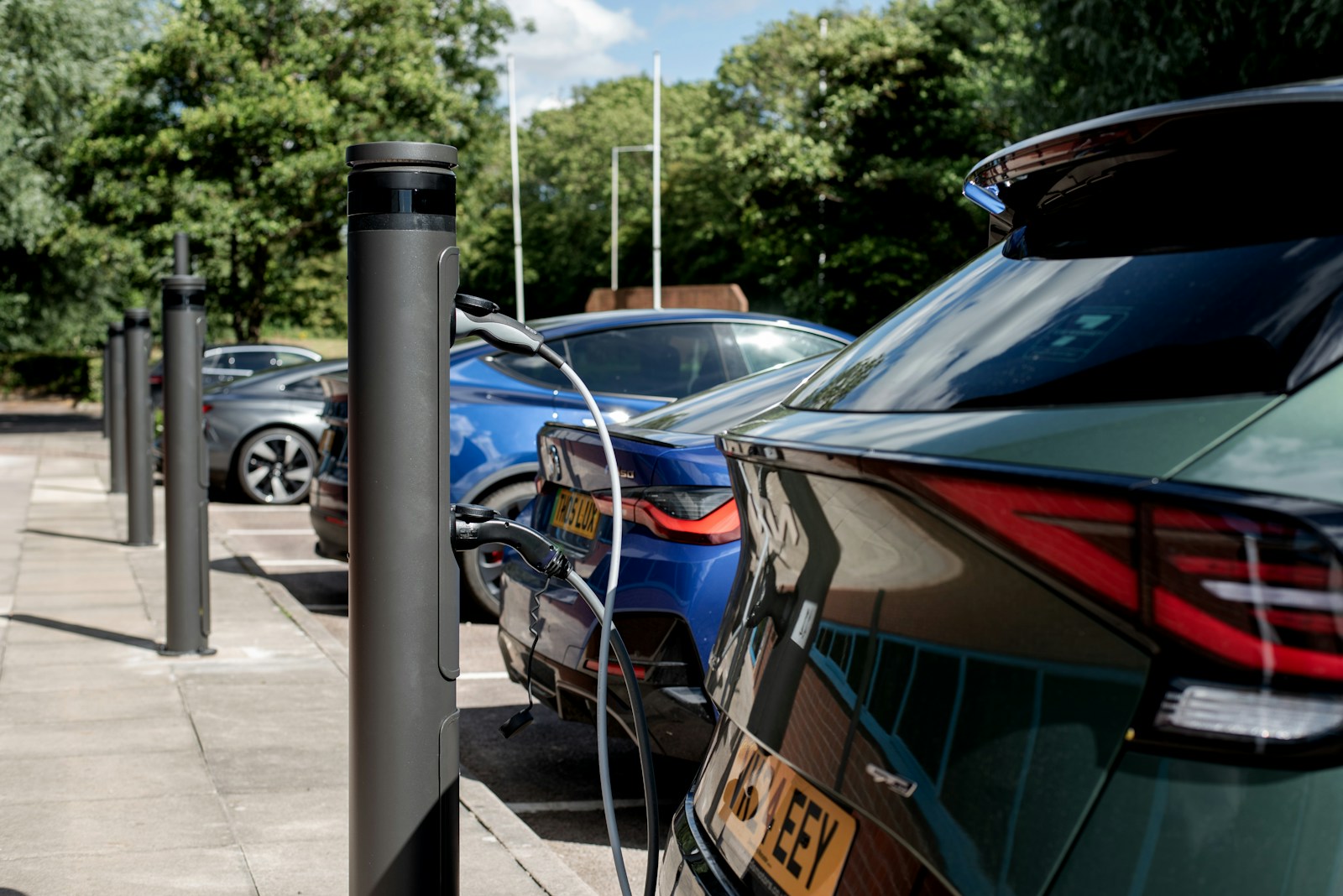
As electric vehicle (EV) adoption accelerates worldwide, seven key regions are poised for significant growth in 2026, driven by government incentives, infrastructure investments, and rising consumer demand. This surge in EV adoption is crucial for reducing carbon emissions, improving air quality, and transitioning to sustainable transportation solutions.
1. California, USA
California has long been a leader in EV adoption, with over 1.5 million electric vehicles registered by the end of 2022. The state’s ambitious goal of having 1.5 million zero-emission vehicles on the road by 2025 is expected to be surpassed, thanks to continued investments in charging infrastructure and a commitment to phasing out gasoline-powered vehicles by 2035. In 2026, the introduction of new models like the 2026 Tesla Model 3 and increased availability of affordable EVs will further bolster adoption rates.
2. China
China remains the largest market for electric vehicles, accounting for more than 50% of global EV sales. The government’s goal to have 20% of all vehicles on the road be electric by 2025 is driving rapid growth in the industry. In 2026, the introduction of new electric models from domestic manufacturers like BYD and NIO, combined with an extensive charging network, is expected to propel EV sales to an estimated 10 million units annually.
3. Europe
Europe is witnessing a robust shift towards electric mobility, with countries like Norway leading the charge—where EVs accounted for 54% of all new car sales in 2022. The European Union’s stringent emissions regulations are pushing car manufacturers to accelerate their EV offerings, making the market ripe for explosive growth. By 2026, projections suggest that EV sales in Europe could double, particularly with the anticipated launch of affordable models from brands like Volkswagen and Renault.
4. India
India’s electric vehicle market is set to experience a dramatic transformation, with the government aiming for 30% electric vehicle adoption by 2030. The introduction of the Faster Adoption and Manufacturing of Electric Vehicles (FAME) scheme has incentivized both manufacturers and consumers. By 2026, analysts predict that sales of electric two-wheelers and three-wheelers could surpass 3 million units, driven by models like the 2026 Tata Nexon EV and increased charging infrastructure.
5. Latin America
Latin America is on the cusp of an electric vehicle boom, particularly in countries like Brazil and Chile. With the increasing affordability of EVs and government support for clean energy initiatives, the region is projected to see a surge in electric vehicle sales. By 2026, Brazil alone could see a rise in EV registrations from 50,000 in 2022 to over 300,000, aided by new models from local manufacturers and incentives for consumers.
6. Australia
Australia is experiencing a growing interest in electric vehicles, with sales increasing by 200% in 2022 compared to the previous year. The Australian government has set a target of reaching 3 million electric vehicles on the road by 2030. With new charging stations being installed and models like the 2026 Ford Mustang Mach-E entering the market, EV adoption is expected to accelerate significantly by 2026, particularly in urban areas.
7. Southeast Asia
Southeast Asia is emerging as a significant player in the electric vehicle market, with countries like Thailand and Indonesia ramping up their EV initiatives. The region is expected to see a compound annual growth rate (CAGR) of 25% in electric vehicle sales from 2022 to 2026. Thailand’s government aims to have 1.2 million electric vehicles on the road by 2036, setting the stage for rapid growth as new models from international manufacturers become available.
Conclusion
The global shift towards electric vehicles is expected to accelerate in 2026, with these seven regions leading the charge. As consumer awareness grows and infrastructure develops, the transition to electric mobility will play a crucial role in addressing climate change and reducing reliance on fossil fuels. Stakeholders, including governments, manufacturers, and consumers, must remain engaged and proactive in supporting this transition. Now is the time to invest in EV technology and infrastructure, as the future of transportation is electric.