

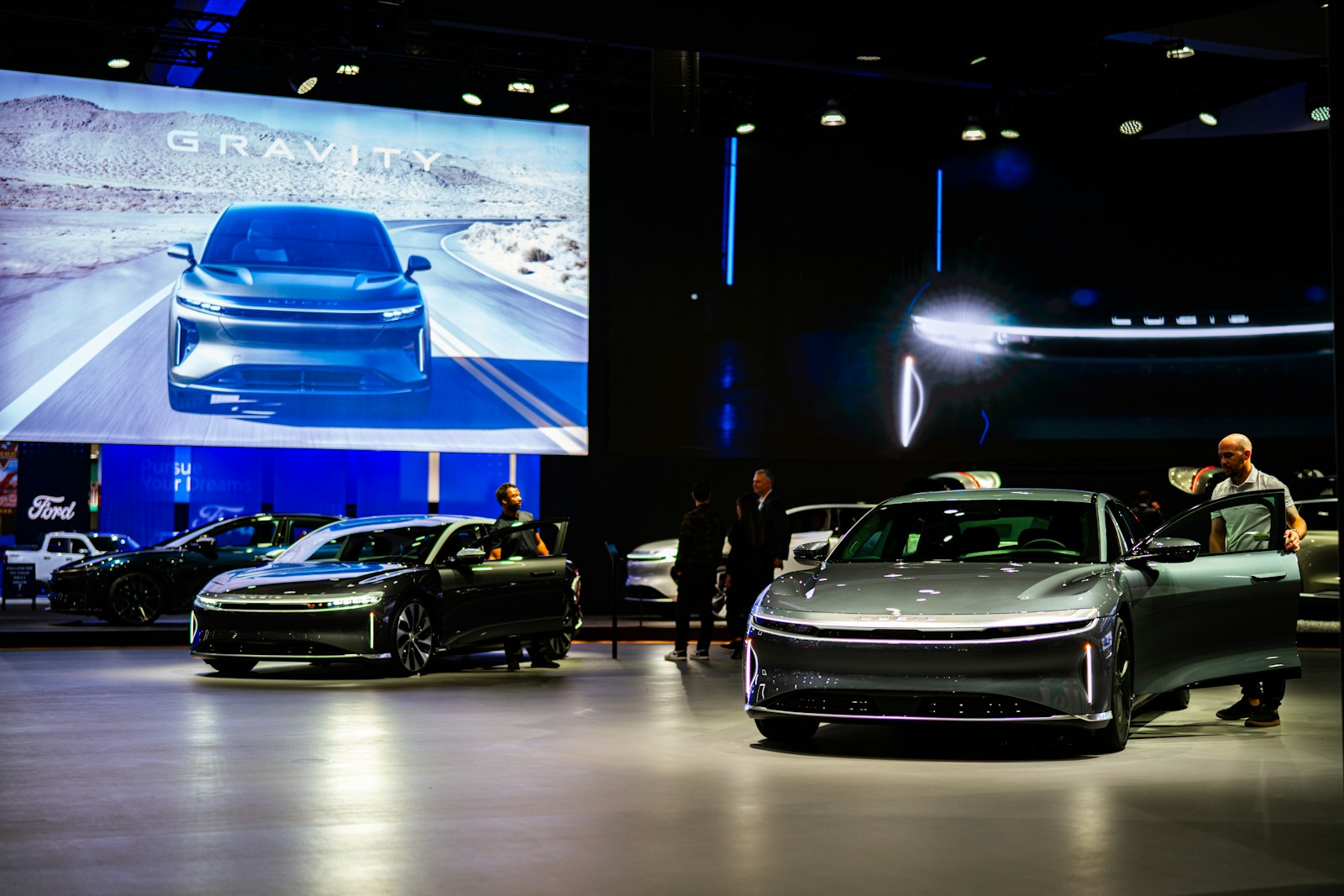
As major technology companies continue to expand their influence, the auto industry is poised for significant changes by 2026. These moves will not only affect traditional automotive manufacturers but also reshape consumer experiences and expectations on the road. With electric vehicle (EV) sales projected to reach 20 million units globally by 2026, the intersection of technology and automotive innovation is crucial for staying relevant in a rapidly evolving market.
1. Apple’s Autonomous Vehicle Rollout
Apple Inc. is expected to make a significant entry into the autonomous vehicle market with its long-rumored “Apple Car” slated for release in 2026. The tech giant has invested over $1 billion in research and development for this project, aiming to create a fully autonomous electric vehicle that integrates seamlessly with its existing ecosystem of devices. The Apple Car is anticipated to feature advanced AI-driven navigation and a unique user interface, setting new standards for in-car technology.
2. Google’s Expansion into In-Car Software
Google is planning to enhance its presence in the automotive industry by offering advanced in-car software solutions. By 2026, Google is expected to roll out its Android Automotive OS to a wider range of vehicle manufacturers, building on its successful partnerships with companies like Volvo and Ford. This move aims to provide drivers with a more connected experience, leveraging Google Assistant for navigation, entertainment, and vehicle diagnostics, potentially reaching over 10 million vehicles worldwide.
3. Amazon’s Push into EV Charging Infrastructure
Amazon is set to invest heavily in electric vehicle charging infrastructure by 2026, aiming to establish a network of fast-charging stations across the United States. With plans to deploy over 1,000 charging stations in urban areas, Amazon’s initiative will support its growing fleet of electric delivery vans and cater to the increasing number of EV owners. This investment not only positions Amazon as a leader in the green energy movement but also enhances its logistics capabilities, potentially affecting millions of consumers and businesses alike.
4. Tesla’s Introduction of Advanced AI Features
Tesla, already a major player in the EV market, is expected to further innovate with the introduction of advanced AI features in its 2026 vehicle lineup. The company plans to implement a new version of its Full Self-Driving (FSD) software, which aims to improve safety and navigation accuracy. With over 1 million Tesla vehicles equipped with FSD, this update could significantly enhance the driving experience and could lead to a broader acceptance of autonomous technology among consumers.
5. Microsoft’s Cloud Solutions for Automotive Data
Microsoft is anticipated to strengthen its foothold in the auto industry by offering cloud solutions specifically designed for automotive data management. By 2026, the company plans to partner with several automakers to provide cloud-based analytics and IoT solutions, enabling manufacturers to gather and analyze vehicle performance data in real-time. This could lead to improved vehicle maintenance and user experience, potentially impacting millions of drivers who rely on connected vehicle technology.
The Impact on Consumers and the Automotive Landscape
The entry of tech giants into the automotive space signifies a transformative period for the industry. Consumers can expect enhanced connectivity, improved safety features, and a broader range of electric vehicle options as these companies leverage their technological expertise. Traditional automakers will need to adapt quickly to remain competitive, possibly leading to strategic partnerships and mergers as the landscape evolves.
Conclusion: Staying Informed and Prepared
As we approach 2026, the convergence of technology and the automotive industry promises to reshape how we drive and interact with vehicles. With significant investments and innovative solutions from major tech companies, consumers are encouraged to stay informed about upcoming changes that could impact their choices and experiences on the road. The future of driving is not just about getting from point A to point B; it’s about the journey, connectivity, and sustainability. Be proactive in learning about these developments to make informed decisions when purchasing your next vehicle.