

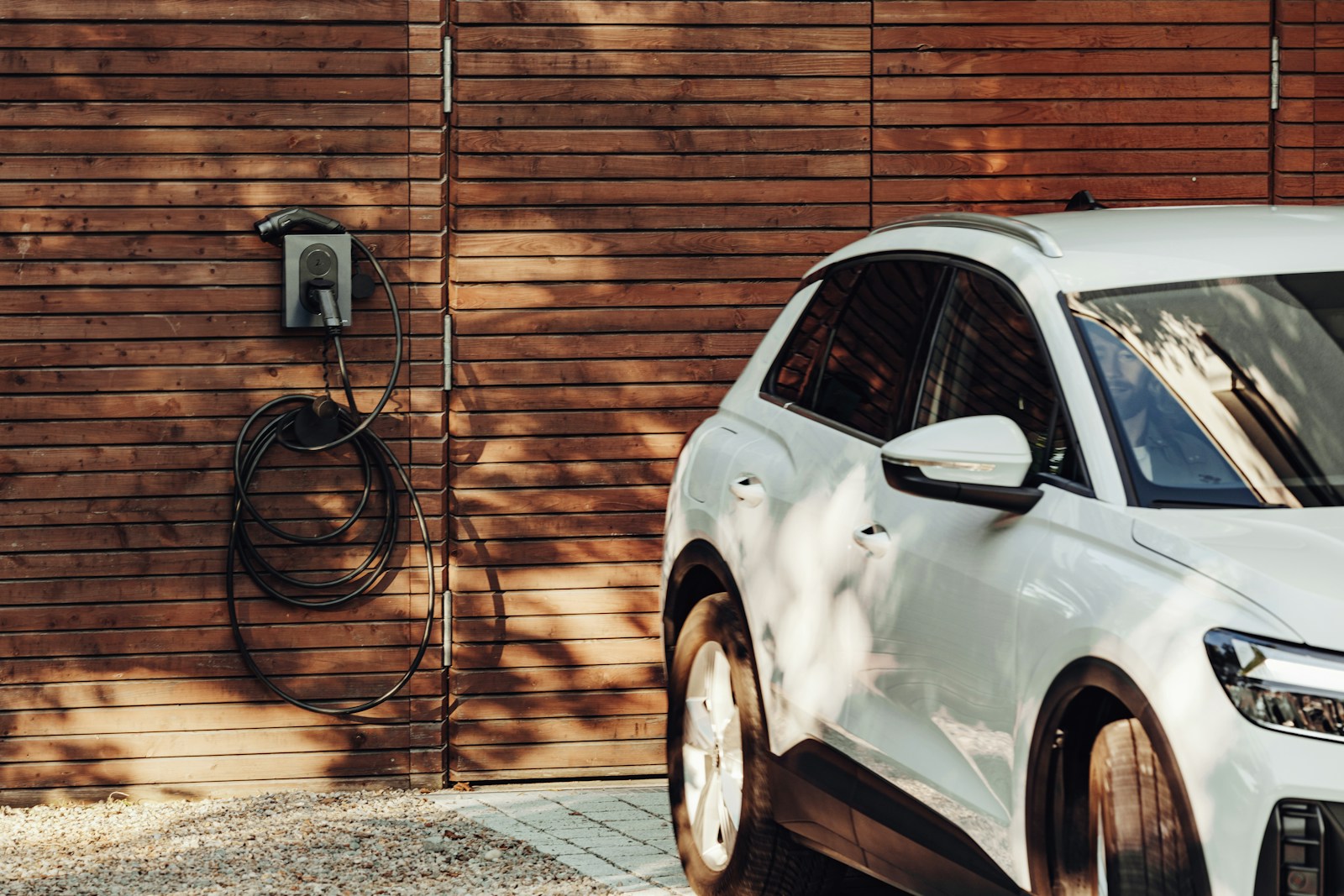
Starting in 2026, stringent climate and emissions regulations are set to transform the automotive industry, driving automakers to adopt cleaner technologies and altering consumer choices. This shift will affect millions of drivers in the United States and worldwide, as new standards aim to significantly reduce greenhouse gas emissions and improve air quality. These changes come amid growing concerns about climate change and its impact on public health and the environment.
1. Stricter Emissions Standards
The Environmental Protection Agency (EPA) has proposed new emissions standards that will require automakers to reduce emissions from new vehicles by 40% by 2026 compared to 2021 levels. This means that popular models like the 2023 Toyota Camry and the 2023 Ford F-150 will need to incorporate advanced technologies to comply with these regulations. Automakers are expected to invest heavily in research and development to meet these targets, which could lead to enhanced fuel efficiency and lower tailpipe emissions.
To meet these standards, manufacturers may increase the production of hybrid and electric vehicles (EVs). In fact, the Biden administration has set a goal for EVs to make up 50% of all new vehicle sales by 2030. As a result, drivers will likely see a wider range of electric options from various brands by 2026, including more affordable models that can compete with traditional internal combustion engine vehicles.
2. Acceleration of Electric Vehicle Adoption
With the new regulations in place, the shift toward electric vehicles is expected to accelerate significantly. The International Energy Agency (IEA) reported that global electric vehicle sales reached 10 million in 2022, marking a 55% increase from the previous year. As automakers scramble to meet regulatory demands, consumers can anticipate an influx of new electric models, including SUVs and trucks that cater to diverse consumer preferences.
Notable manufacturers such as Ford and General Motors have already announced ambitious plans to transition to electric offerings. Ford aims to produce 2 million electric vehicles annually by 2026, while GM has pledged to go all-electric by 2035. This creates opportunities for consumers to consider electric vehicles as viable alternatives to traditional cars, particularly as the charging infrastructure continues to expand and battery technology improves.
3. Enhanced Fuel Economy Requirements
In addition to reducing emissions, new regulations will also enforce stricter fuel economy standards across the automotive industry. The National Highway Traffic Safety Administration (NHTSA) has proposed that the average fuel economy of new cars sold in the U.S. must reach 49 miles per gallon (mpg) by 2026. This is a significant increase from the current average of roughly 25 mpg for new vehicles.
To achieve these ambitious fuel economy targets, manufacturers will be compelled to innovate. This could include adopting lightweight materials, optimizing engine performance, and improving aerodynamics. Consumers may find that vehicles equipped with advanced technologies, such as turbocharged engines or hybrid systems, become more prevalent in the market, offering both better performance and enhanced fuel efficiency.
4. Increased Consumer Awareness and Choices
As climate and emissions regulations reshape the automotive landscape, consumer awareness around sustainability and environmental impact is likely to grow. Studies show that nearly 70% of consumers consider fuel efficiency when making purchasing decisions, signaling a shift towards eco-friendliness. By 2026, buyers will not only have more choices in electric and hybrid vehicles but also more information about the environmental impacts of their purchases.
Automakers may begin to offer transparent reporting on the lifecycle emissions of their vehicles, allowing consumers to make more informed decisions. This could include data on manufacturing emissions, fuel production, and disposal impacts. As consumers become more educated about the implications of their vehicle choices, demand for greener options is expected to rise, further propelling the industry towards sustainability.
Conclusion: Prepare for Change
The automotive industry is on the verge of a significant transformation as climate and emissions rules take effect in 2026. Stricter emissions standards, an acceleration of electric vehicle adoption, enhanced fuel economy requirements, and increased consumer awareness will reshape the market landscape. As consumers, it is crucial to stay informed and consider how these changes will impact vehicle options, maintenance costs, and overall driving experience.
With the clock ticking toward 2026, now is the time to research and prepare for the cars of the future. Start evaluating your vehicle options and consider making the switch to a more sustainable choice that aligns with these new regulations. Your next vehicle could play a pivotal role in contributing to a cleaner environment for generations to come.