

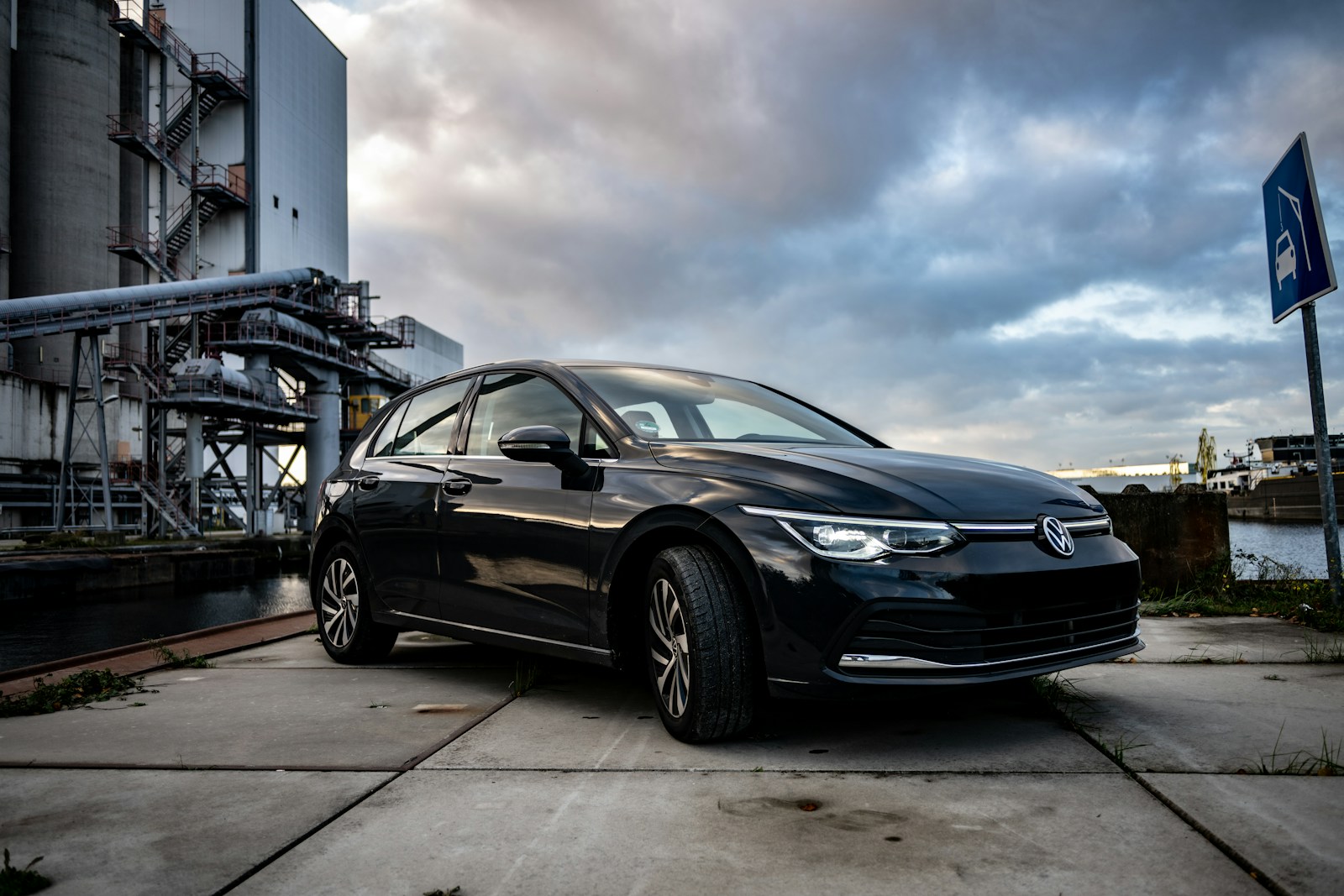
The auto industry is undergoing a transformative shift in 2026, marked by significant advancements in technology, sustainability, and consumer behavior. These changes are reshaping how vehicles are designed, manufactured, and sold, and they affect everyone from manufacturers to everyday drivers. Understanding these shifts is crucial for consumers and industry stakeholders alike, as they point toward a more sustainable and tech-savvy future.
1. Surge in Electric Vehicle Sales
Electric vehicle (EV) sales have skyrocketed, accounting for nearly 30% of all new car sales in the first half of 2026, according to the latest industry data. This shift is driven by the growing consumer demand for cleaner alternatives, legislative mandates pushing for reduced emissions, and a wider array of models available from manufacturers. Notable examples include the 2026 Tesla Model 3 and the 2026 Ford Mustang Mach-E, both of which have received positive reviews for performance and range.
2. Advanced Driver-Assistance Systems (ADAS) Becoming Standard
Advanced Driver-Assistance Systems (ADAS) are no longer exclusive to luxury vehicles, with over 50% of new cars sold in 2026 featuring some form of ADAS technology. This includes adaptive cruise control, lane-keeping assistance, and automatic emergency braking. The 2026 Honda Accord and 2026 Chevrolet Malibu are just two models that now include these features as standard, enhancing safety and appealing to a broader demographic of buyers.
3. Push for Sustainable Manufacturing Practices
Automakers are increasingly committed to sustainable manufacturing practices, with major companies pledging to achieve carbon neutrality by 2035. For instance, General Motors aims to make their operations 100% renewable by 2030, while BMW has invested heavily in recycling and sustainable materials for their 2026 models. This commitment not only helps reduce the carbon footprint of manufacturing but also appeals to environmentally conscious consumers.
4. Growth of Subscription Services
Subscription services for vehicles are gaining traction, with a reported 25% increase in consumer adoption in 2026. Companies like Volvo and Porsche are leading the way, offering flexible options that allow users to access vehicles without long-term commitments. This model is especially appealing to younger consumers who prioritize flexibility and convenience, indicating a significant shift in how people approach vehicle ownership.
5. Enhanced Connectivity and Automation
Connected vehicles are becoming the norm, with nearly 70% of new cars equipped with some form of connectivity feature by 2026. This includes infotainment systems that integrate seamlessly with smartphones, enabling over-the-air updates and advanced navigation features. The 2026 Audi Q5 exemplifies this trend, boasting a fully integrated digital cockpit that enhances the driving experience and provides real-time information.
6. Government Incentives for Green Vehicles
Government incentives for green vehicles have reached unprecedented levels, with states like California offering rebates up to $7,000 for electric car purchases in 2026. These incentives are crucial in making EVs more affordable for the average consumer, thus accelerating the transition away from gasoline-powered vehicles. The impact of these programs has been significant, pushing sales figures higher and encouraging automakers to invest in greener technologies.
7. Rising Costs of Traditional Fuel
The cost of traditional fuels has surged, with average gas prices reaching $4.50 per gallon in 2026. This increase has prompted consumers to reconsider their vehicle choices, leading to a greater interest in electric and hybrid models. As fuel prices continue to rise, the financial incentive to switch to more efficient vehicles becomes increasingly compelling, further driving the shift towards electrification in the auto industry.
Conclusion: The Future Is Now
The changes unfolding in the auto industry in 2026 are not just trends; they represent a fundamental shift in how we think about transportation. From the rise of electric vehicles and advanced safety features to sustainable manufacturing and government incentives, these developments are set to redefine the landscape of personal mobility. Consumers and industry players must pay close attention to these signs of change and adapt accordingly. The future of the auto industry is here, and it is essential to stay informed and engaged as these transformations continue to unfold.
As the auto industry evolves, now is the time for consumers to explore their options and consider making the switch to more sustainable and technologically advanced vehicles. Whether through purchasing an EV, taking advantage of government incentives, or embracing new mobility models, the choices available today will shape the future of transportation.