

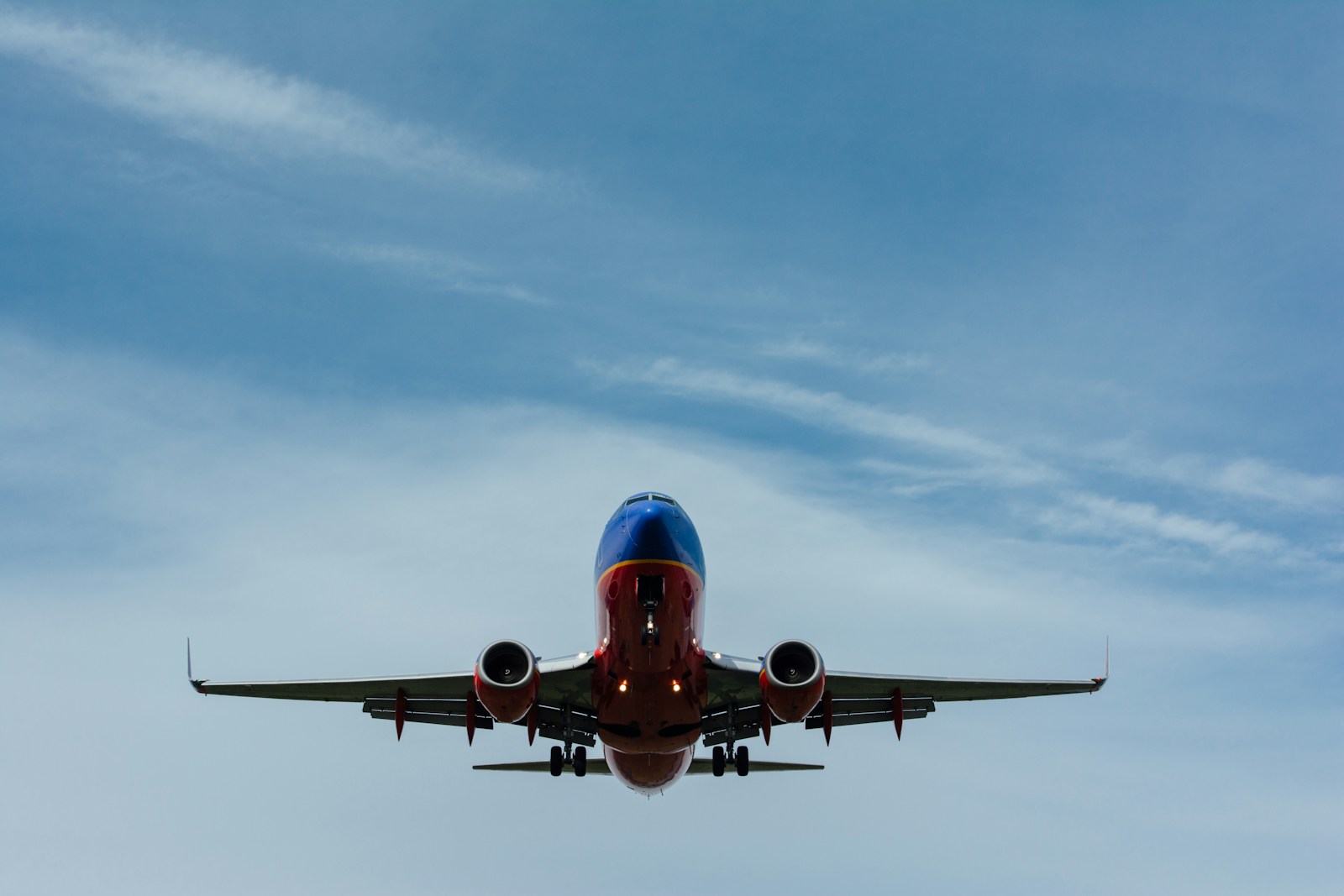
The aviation industry has seen its fair share of ambitious projects, but not all aircraft manage to deliver on their promises. This article examines seven planes that, despite high expectations, ultimately fell short of their intended impact. These aircraft are significant not only for their innovative designs but also for the lessons learned about the complexities of aerospace engineering and market demand.
1. Boeing 787 Dreamliner (Initial Production Issues)
Launched in 2007, the Boeing 787 Dreamliner was heralded as a revolutionary aircraft that would redefine long-haul travel. However, initial production issues plagued the program, leading to delays that totaled over three years. The Dreamliner faced problems with its composite materials and electrical systems, resulting in a temporary grounding of the fleet in 2013, affecting 150 planes worldwide. While the aircraft has since become more reliable, its rocky start tarnished its reputation.
2. Concorde (Operational Costs vs. Ticket Sales)
The Concorde, which began commercial service in 1976, represented the pinnacle of supersonic travel. However, its high operational costs made it difficult to maintain profitability. With ticket prices often exceeding $12,000 for a round trip, demand was limited. The aircraft was retired in 2003 after 27 years of service, primarily due to the financial strain it placed on airlines, demonstrating that innovation alone doesn’t guarantee success.
3. McDonnell Douglas DC-10 (Safety Concerns)
Introduced in the early 1970s, the McDonnell Douglas DC-10 was designed as a wide-body airliner with advanced features. However, it became infamous due to several high-profile accidents, including the tragic 1974 Turkish Airlines Flight 981 disaster, which claimed 346 lives. These safety concerns led to a tarnished image for the aircraft, resulting in a significant decline in orders and ultimately contributing to the model’s discontinuation in the late 1980s.
4. Airbus A380 (Overcapacity and Market Shifts)
While the Airbus A380 was launched with great fanfare in 2005 as the world’s largest passenger airliner, it has struggled to find a sustainable market. With a maximum capacity of up to 800 passengers, airlines soon discovered that demand was shifting towards smaller, more fuel-efficient aircraft. As of 2023, Airbus announced the end of A380 production due to a lack of orders, highlighting the changing dynamics of the aviation market.
5. Lockheed Martin F-22 Raptor (Cost Overruns)
Regarded as one of the most advanced fighter jets ever built, the Lockheed Martin F-22 Raptor was developed to maintain air superiority in modern warfare. However, with a unit cost exceeding $150 million, the program faced severe budget constraints. The high costs led to limited production, with only 187 operational aircraft delivered by 2020, far below initial projections. This has raised questions about the program’s sustainability and effectiveness in a changing military landscape.
6. Boeing 737 MAX (Grounding and Reputational Damage)
The Boeing 737 MAX was designed to be the latest iteration of the popular 737 series, promising improved fuel efficiency and passenger comfort. However, following two fatal crashes in 2018 and 2019, the aircraft was grounded worldwide for nearly 20 months, affecting over 400 planes in service. The subsequent investigations revealed critical flaws in the aircraft’s design and regulatory oversight, causing significant reputational damage to Boeing and ongoing litigation from affected airlines.
7. Embraer E-Jet E2 (Stiff Competition)
Launched in 2018, the Embraer E-Jet E2 series aimed to compete with the successful Bombardier CSeries (now Airbus A220). Despite its innovative technology and improved fuel efficiency, the E2 has struggled to gain a foothold in the market, with just over 200 orders by early 2023. The dominance of rivals and a shift in airline needs has limited its impact, showing that even promising aircraft can falter in a competitive landscape.
Conclusion
The aviation industry is marked by ambitious designs and groundbreaking technology, but as these seven planes illustrate, success is not guaranteed. Factors such as safety concerns, operational costs, and shifting market demands can significantly impact an aircraft’s legacy. Understanding the challenges these planes faced provides valuable insights for future aviation projects, emphasizing the need for thorough research, development, and market analysis.