

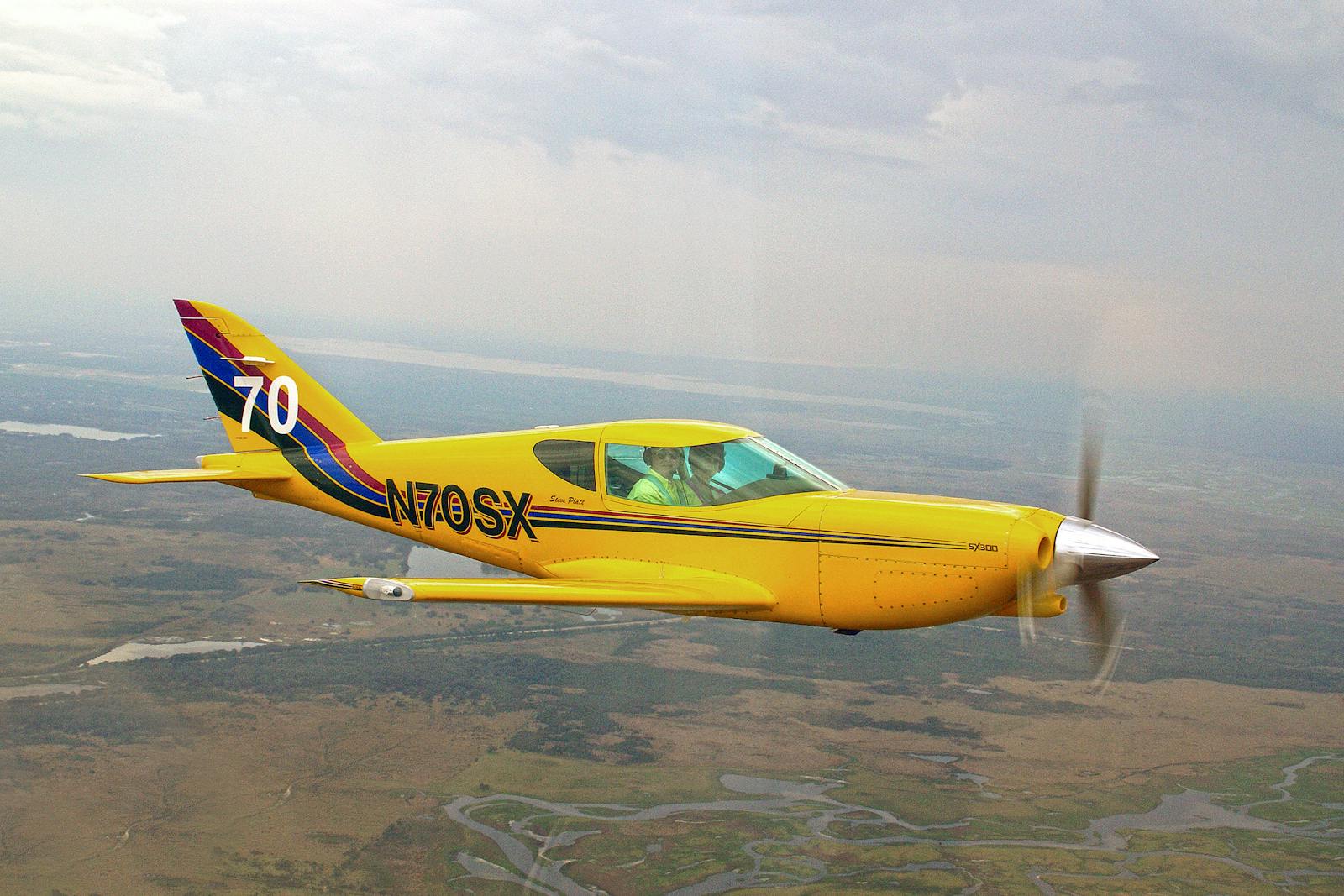
Throughout aviation history, several experimental aircraft have pushed the boundaries of technology, showcasing innovations that were often unappreciated in their time. These aircraft not only paved the way for future advancements but also had profound implications for military and civilian aviation. Understanding these pioneering designs is crucial as they continue to influence modern aircraft engineering and inspire future innovations.
1. Bell X-1 (1947)
The Bell X-1 was the first aircraft to break the sound barrier, achieving this milestone on October 14, 1947. Piloted by Chuck Yeager, the X-1 reached a speed of Mach 1.06, or approximately 700 miles per hour at 43,000 feet. This achievement was monumental, proving that controlled flight could occur at supersonic speeds and leading to significant advancements in fighter jet design.
2. North American X-15 (1959-1968)
The North American X-15 was a rocket-powered aircraft that set numerous speed and altitude records during its operational period. With a top speed of Mach 6.7, or about 4,520 miles per hour, the X-15 flew at altitudes exceeding 354,000 feet. This experimental aircraft provided invaluable data for NASA and the future of spaceflight, influencing the design of the Space Shuttle and other spacecraft.
3. Lockheed Martin Skunk Works’ SR-71 Blackbird (1966)
Introduced in 1966, the SR-71 Blackbird was a long-range, advanced, strategic reconnaissance aircraft that could fly at speeds over Mach 3.2 and altitudes of 85,000 feet. Its unique design allowed it to evade enemy missiles and radar detection, making it a critical asset during the Cold War. The technologies developed for the SR-71 continue to inform modern stealth aircraft designs.
4. NASA’s Helios Prototype (2001)
The Helios Prototype, developed by NASA in the early 2000s, was an experimental solar-powered aircraft that aimed to demonstrate the potential for long-duration flight using renewable energy. With a wingspan of 247.5 feet, the Helios set a world record for sustained flight at an altitude of 96,000 feet. Although the project was ultimately discontinued, it provided key insights into the viability of solar energy in aviation.
5. Boeing X-32 (2001)
The Boeing X-32 was part of the Joint Strike Fighter program and was designed to showcase innovative technologies for future military aircraft. Although it lost the competition to the Lockheed Martin F-35, the X-32 featured a unique design with a single engine and a variable-sweep wing. Its development offered important lessons in stealth, agility, and versatility that have shaped modern fighter jets.
6. Airbus A380 (2005)
Launched in 2005, the Airbus A380 was the world’s first full-length double-deck jet airliner, designed to carry up to 850 passengers in an all-economy configuration. While it was celebrated for its size and efficiency, the A380 faced challenges in an evolving aviation market that increasingly favored smaller, more fuel-efficient aircraft. Despite its eventual discontinuation, the A380 redefined long-haul travel and pushed the limits of passenger capacity.
Conclusion: The Legacy of Experimental Aircraft
The legacy of these six experimental aircraft remains relevant in today’s aviation landscape. Each model contributed to technological advancements that resonate in modern aircraft design and operation. As the aerospace industry continues to evolve, it is essential to recognize the innovators and pioneers who dared to explore the unknown.
As we look towards the future of aviation, understanding these groundbreaking aircraft can inspire current and future engineers, designers, and policymakers. The challenges and successes of these experimental models highlight the importance of innovation in overcoming obstacles in aviation. Readers are encouraged to follow the latest developments in aerospace technology and support initiatives that foster continuous innovation.