

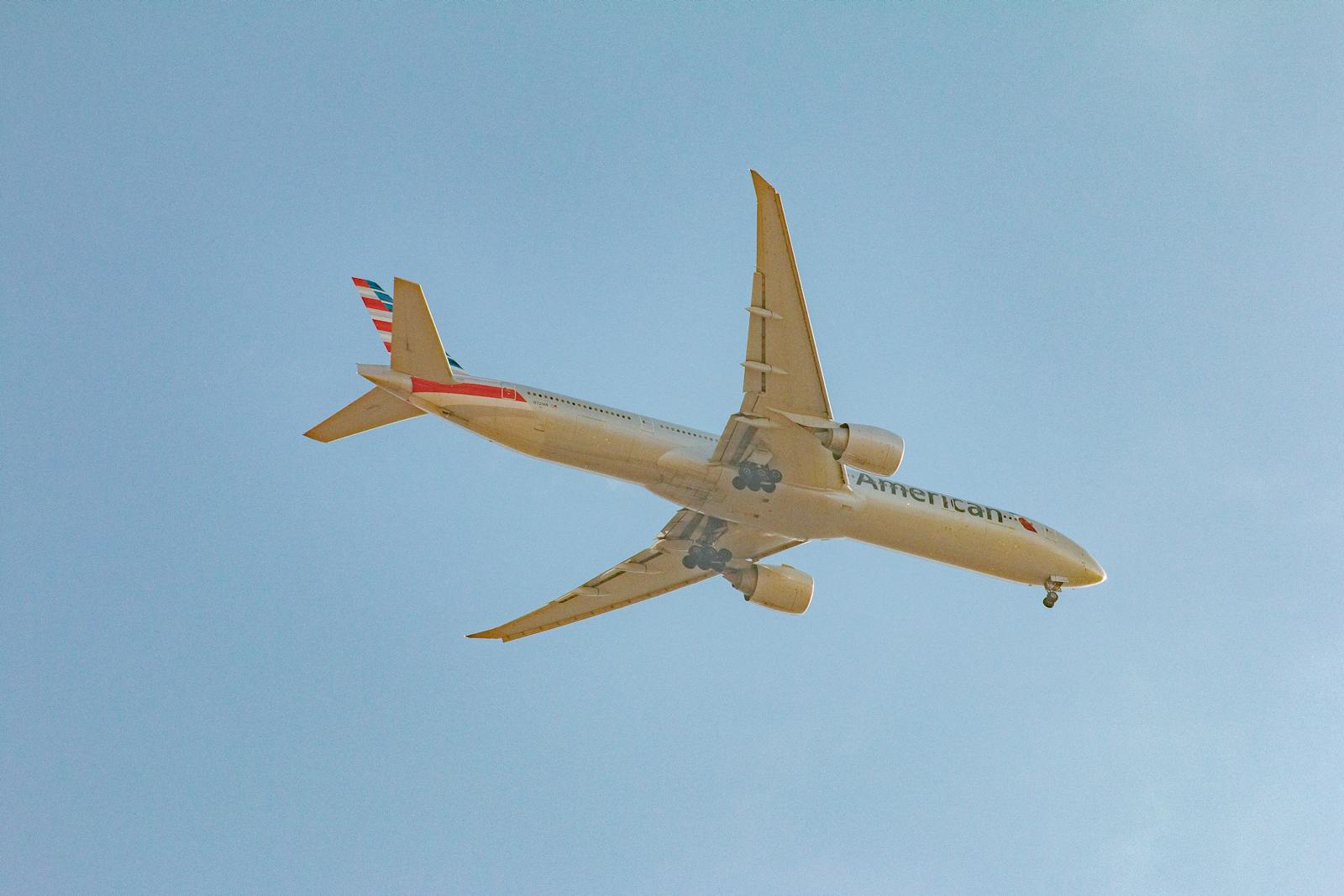
The aviation industry has seen its fair share of commercial failures, with several airliners launched with high hopes only to be discontinued shortly thereafter. These aircraft not only impacted the manufacturers but also affected airlines and passengers worldwide, highlighting the unpredictable nature of the airline market. Here are seven notable examples of airliners that failed commercially, each illustrating the complex dynamics of aviation economics.
1. Boeing 737 Max (2017)
The Boeing 737 Max was designed to be a more fuel-efficient version of the best-selling 737 series. However, after two tragic crashes in 2018 and 2019 that claimed 346 lives, the aircraft was grounded worldwide, leading to a significant loss in confidence from both airlines and passengers. Boeing reported losses exceeding $20 billion due to the grounding, as airlines canceled orders and sought compensation for the halted deliveries.
2. McDonnell Douglas MD-11 (1990)
Initially praised for its advanced technology and wide-body design, the McDonnell Douglas MD-11 faced several operational challenges, including a less-than-ideal range and performance issues. Airlines such as Delta and United ordered the aircraft, but by the early 2000s, many began to phase it out due to lower fuel efficiency compared to competitors like the Boeing 777. Ultimately, only about 200 units were produced, making it a commercial disappointment in the wide-body segment.
3. Airbus A380 (2005)
Once heralded as the future of air travel, the Airbus A380 was the largest passenger airliner ever built, designed to accommodate up to 850 passengers. However, shifting market demands toward smaller, more fuel-efficient aircraft led to disappointing sales, with only 251 aircraft delivered by the time production was halted in early 2021. Airbus faced about $10 billion in losses related to the aircraft’s development and manufacturing, signaling a significant miscalculation in market trends.
4. Boeing 787 Dreamliner (2011)
The Boeing 787 Dreamliner was expected to revolutionize long-haul travel with its lightweight composite materials and fuel efficiency. However, the aircraft faced multiple delays and quality control issues, leading to a three-year delay in its entry into service. With production costs soaring, Boeing reported losses of approximately $32 billion on the Dreamliner program, making it one of the most expensive development projects in aviation history.
5. Lockheed L-1011 TriStar (1970)
The Lockheed L-1011 TriStar was a technologically advanced aircraft that featured innovations such as an automated landing system. Despite its capabilities, the TriStar struggled to compete against the Boeing 747 and McDonnell Douglas DC-10, resulting in only 250 units built. The combination of a high purchase price and the subsequent oil crises of the 1970s limited its appeal, causing Lockheed to exit the commercial aviation market entirely by the early 1980s.
6. Concorde (1969)
The Concorde was a marvel of engineering as the world’s first supersonic passenger aircraft, promising to cut transatlantic flight times significantly. However, high operational costs, limited routes, and the 2000 crash of Air France Flight 4590 led to a decline in demand. Airlines ultimately retired the Concorde in 2003, with only 20 units ever built, making it a symbol of both luxury and a commercial failure in the aviation sector.
7. Airbus A310 (1982)
The Airbus A310 was intended to be a versatile, medium-range aircraft that could serve various markets. However, it failed to gain a substantial foothold in the competitive landscape dominated by the Boeing 737 and Airbus A320. With only 255 units produced, the A310 was discontinued in 1998, demonstrating the challenges of introducing new models in an already saturated market.
Conclusion: Lessons from Failure
The commercial failures of these airliners reveal vital lessons about market demands, operational efficiency, and consumer preferences in the aviation industry. As airlines and manufacturers continue to innovate, understanding the factors that contributed to these failures is crucial to avoid repeating past mistakes. The aviation industry is continuously evolving, and the lessons learned from these commercial failures can guide future developments and investments.
As the airline industry faces ongoing challenges such as rising fuel costs and changing travel habits, it is essential for both manufacturers and airlines to remain agile and responsive to market needs. Stay informed about the latest developments in aviation to understand how these trends will shape the future of air travel.