

In the world of aviation, innovative designs can significantly alter the landscape of air travel, providing efficiency, safety, and sustainability. This article explores six aircraft that have successfully implemented revolutionary designs, shaping the future of aviation and impacting airlines and passengers alike.
1. Boeing 787 Dreamliner (2011)
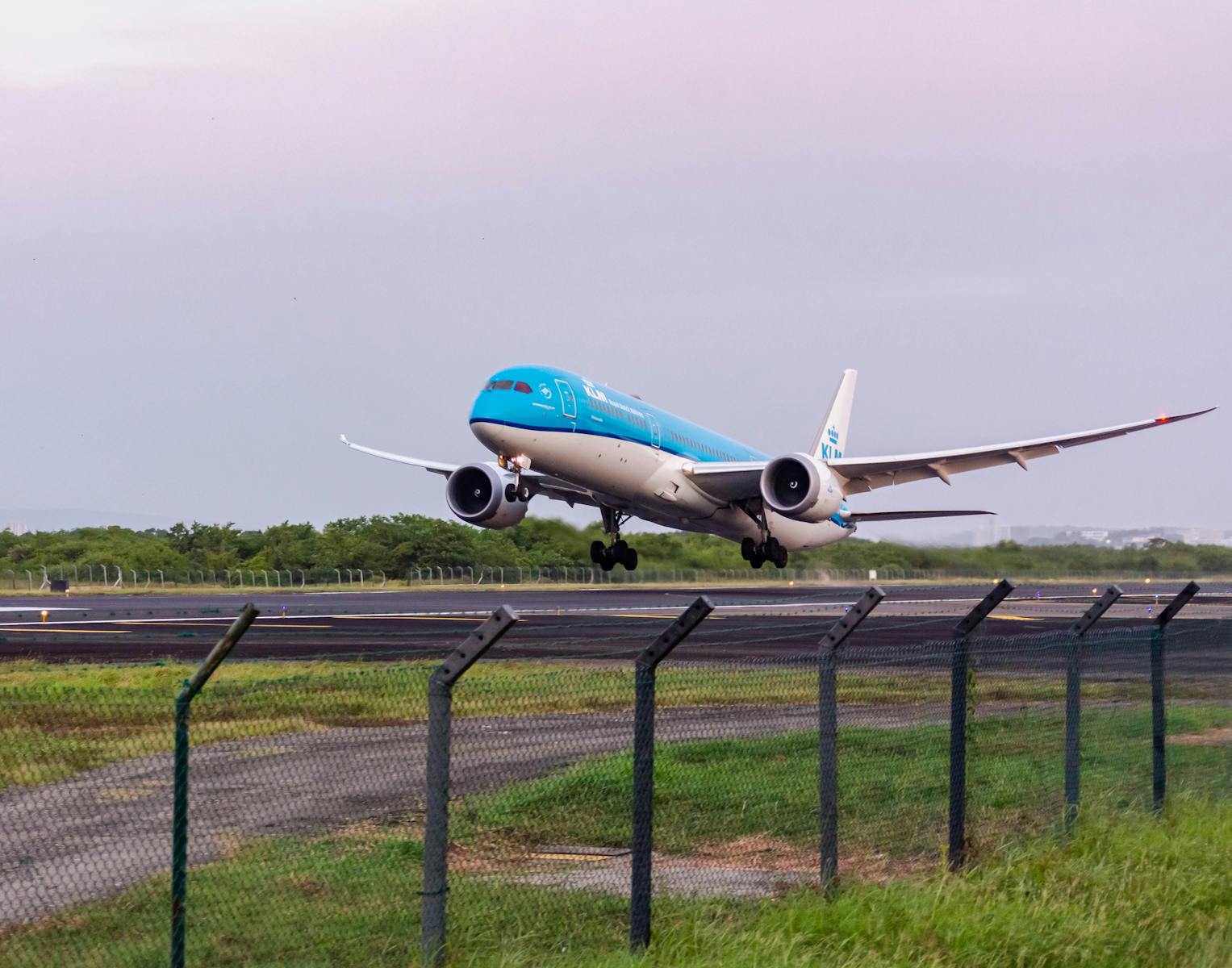
The Boeing 787 Dreamliner, introduced in 2011, redefined long-haul travel with its composite materials and advanced aerodynamics. Made predominantly from carbon fiber-reinforced plastic, the Dreamliner reduces weight by about 20% compared to traditional aluminum planes. This weight reduction translates into improved fuel efficiency, enabling airlines to save approximately 20% in operational costs per flight.
With its ability to fly longer distances—up to 8,000 nautical miles—the 787 has allowed airlines to open new routes that were previously unfeasible. As of mid-2023, over 1,500 units have been delivered, making it one of Boeing’s most successful aircraft in recent history.
2. Airbus A380 (2007)
The Airbus A380, launched in 2007, is the world’s largest passenger airliner, capable of carrying up to 850 passengers. Its unique double-deck design allows airlines to maximize capacity on popular routes, addressing the growing demand for air travel. Despite facing challenges, such as high operational costs and a reduced market for very large aircraft, the A380 has successfully operated in various configurations, offering luxurious amenities that set it apart from competitors.
As of 2023, approximately 250 A380s are still in service, demonstrating the model’s lasting appeal despite its initial setbacks. Airlines like Emirates continue to rely on this aircraft for long-haul flights, proving that innovative designs can still thrive in a competitive market.
3. Lockheed Martin F-35 Lightning II (2015)
The F-35 Lightning II, operational since 2015, represents a leap forward in military aviation technology. This stealth multirole fighter jet integrates advanced avionics, sensors, and a unique vertical takeoff and landing capability. Designed for versatility, the F-35 is used by the U.S. and allied nations, with over 700 units delivered as of 2023.
The aircraft’s ability to operate in diverse environments makes it a critical component of modern air forces. Additionally, the F-35 program has generated significant economic impact, with over $400 billion invested, creating thousands of jobs in the aerospace sector.
4. Embraer E-Jet Series (2004)
The Embraer E-Jet series, first introduced in 2004, revolutionized regional air travel by combining efficiency with passenger comfort. These jets, designed for short-haul routes, can accommodate between 70 and 120 passengers while offering lower operating costs compared to larger aircraft. Airlines have increasingly turned to the E-Jets to replace older models and meet the growing demand for regional service.
As of 2023, over 1,600 E-Jets have been delivered, demonstrating their popularity among regional carriers worldwide. The E-Jet family continues to evolve, with the E2 variant offering advanced engines that improve fuel efficiency by up to 17%.
5. Boeing 747-8 (2012)
The Boeing 747-8, introduced in 2012, is the largest and latest variant of the iconic 747 series. With its distinctive humpbacked fuselage and advanced wing design, the 747-8 is capable of carrying up to 660 passengers in a typical two-class configuration. The aircraft also features improved fuel efficiency, consuming 16% less fuel than its predecessor, the 747-400.
The 747-8 has become a favorite among cargo operators, offering a maximum payload capacity of 140 metric tons. As of 2023, Boeing has delivered over 500 units, solidifying the 747’s legacy as a cornerstone of international air travel and freight transport.
6. Pipistrel Alpha Electro (2015)
The Pipistrel Alpha Electro, introduced in 2015, is a game-changer in the realm of electric aviation. This two-seat trainer aircraft is powered by an electric motor, significantly reducing operating costs and environmental impact. With a flight time of approximately 1.5 hours, the Alpha Electro is ideal for pilot training and short flights, representing a step toward sustainable aviation.