

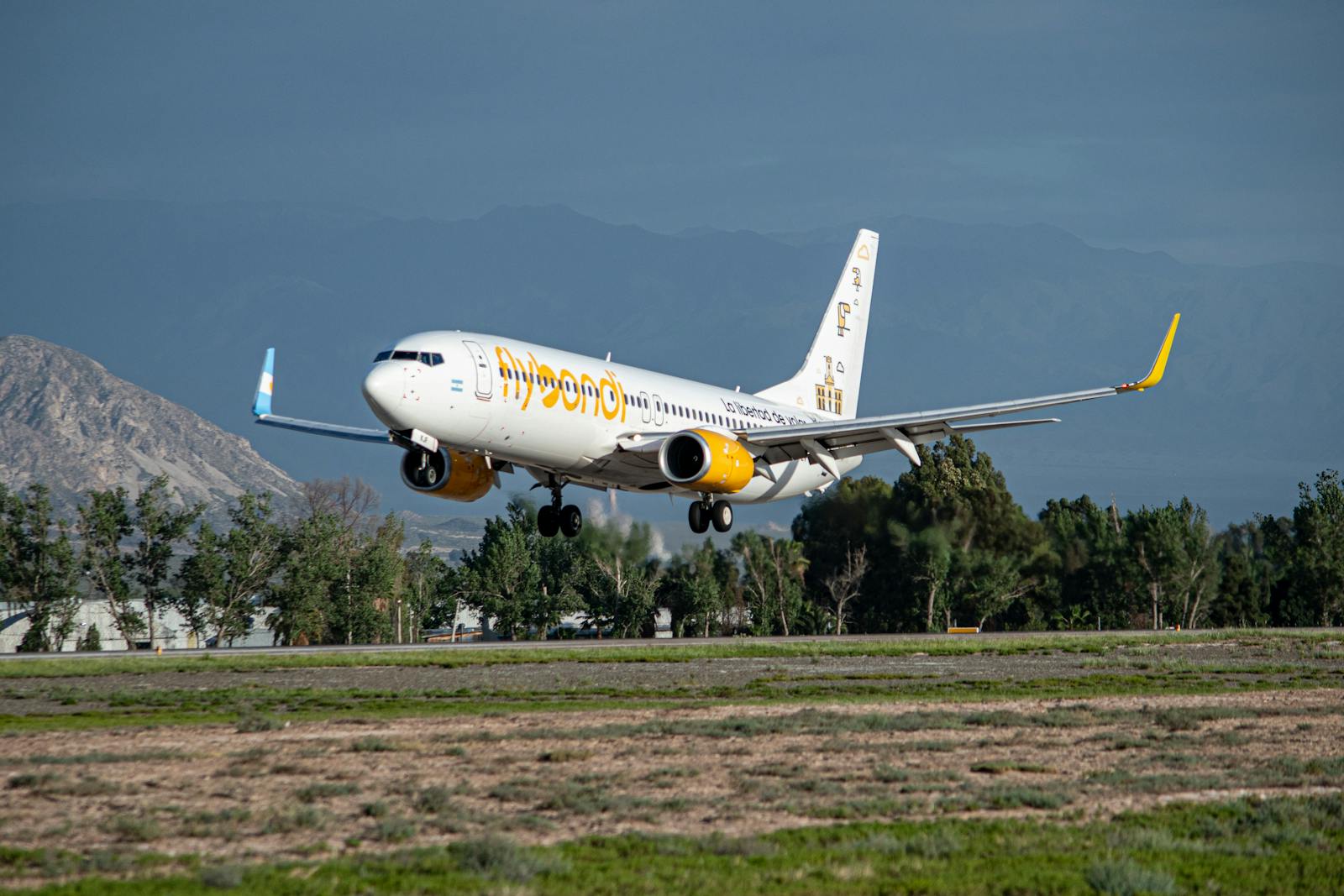
In an interconnected global economy, cargo planes play a crucial role in transporting goods quickly across vast distances, impacting businesses and consumers alike. With over 60 million tons of cargo transported by air annually, these aircraft are essential to maintaining supply chains, especially in a landscape that increasingly demands rapid delivery. This article highlights eight cargo planes that are pivotal in keeping the world moving.
Boeing 747-8F
The Boeing 747-8 Freighter, introduced in 2011, is one of the largest cargo planes in operation today. With a maximum payload capacity of 140 metric tons, it can carry up to 30% more cargo than its predecessor, the Boeing 747-400F. This aircraft is widely used by major logistics companies, including UPS and Cargolux, for its ability to transport oversized cargo efficiently over long distances.
Airbus A330-200F
The Airbus A330-200F, which first entered service in 2010, is designed for medium to long-haul cargo missions. With a maximum payload of 70 metric tons, this aircraft is particularly favored for its versatility and fuel efficiency. Its ability to access airports with shorter runways makes it a valuable asset for transporting goods to less accessible regions.
Boeing 777F
Launched in 2009, the Boeing 777 Freighter has a maximum payload of 102 metric tons and is known for its operational efficiency. The aircraft utilizes the same platform as the Boeing 777 passenger version, allowing for seamless transitions between cargo and passenger operations. Major airlines like FedEx and Emirates SkyCargo rely on the 777F for its reliability and extensive range.
McDonnell Douglas MD-11F
The McDonnell Douglas MD-11 Freighter, which entered service in 1990, is still a popular choice for cargo airlines due to its three-engine design and large cargo capacity of approximately 90 metric tons. While new models have since been introduced, the MD-11F remains in operation with companies like FedEx and UPS, showcasing its enduring utility in the cargo market.
Lockheed Martin LM-100J Super Hercules
The Lockheed Martin LM-100J Super Hercules is a modernized version of the iconic C-130 Hercules, tailored for civil cargo transport. It can carry up to 45 metric tons and is particularly adept at operating in rugged environments and short runways. This flexibility makes it an essential asset for humanitarian missions and disaster relief efforts around the world.
Antonov An-124 Ruslan
As one of the heaviest cargo planes in the world, the Antonov An-124 Ruslan can transport a staggering 150 metric tons of cargo. Initially developed in the 1980s, this aircraft remains relevant today, primarily used for oversized freight that other planes cannot accommodate. Its capacity and range make it invaluable for international logistics, especially for heavy machinery and military supplies.
Airbus A300-600F
The Airbus A300-600 Freighter, operational since the 1980s, paved the way for modern cargo transport with its wide-body design. It has a maximum payload of approximately 44 metric tons and is often employed for domestic and regional routes. Despite being one of the older models in service, its reliability ensures continued demand among smaller airlines and logistics companies.
Beechcraft 1900D
The Beechcraft 1900D, a twin-engine turboprop aircraft, is commonly used for regional cargo flights. With a maximum payload of around 2.5 metric tons, it is ideal for transporting smaller shipments quickly across short distances. Its versatility allows it to serve remote locations, making it a vital component of regional logistics networks.
Conclusion
These eight cargo planes represent the backbone of global logistics, each contributing unique capabilities to meet the demands of an ever-evolving market. With air cargo expected to grow by 4.2% annually over the next decade, the importance of these aircraft will only increase. As businesses and consumers rely more heavily on air freight for timely deliveries, understanding the role of these planes becomes crucial for navigating the future of global trade.
Stay informed about the latest developments in air cargo and logistics to better understand how these aircraft impact your daily life. Sign up for updates on global shipping trends and the latest technology in air freight logistics today.