
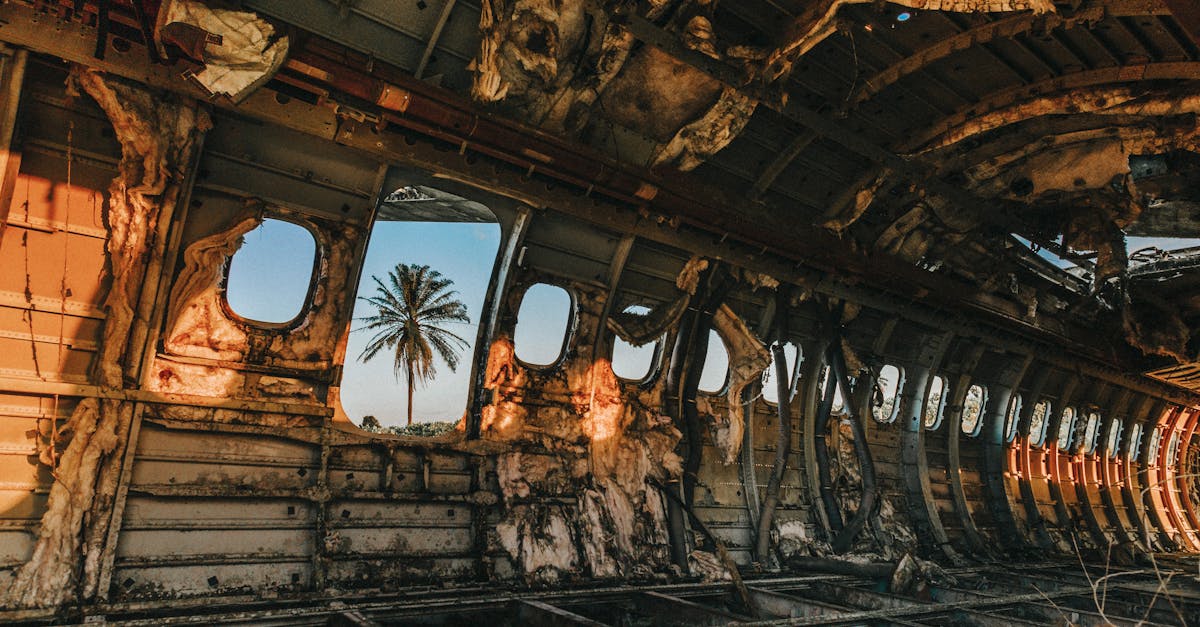

Throughout aviation history, several ambitious aircraft projects have ended in disaster, affecting thousands of employees, stakeholders, and passengers. These failures often stemmed from design flaws, financial mismanagement, or regulatory oversights, leading to significant financial losses and, in some cases, tragic loss of life. Here are seven notable aircraft projects that faced catastrophic outcomes, highlighting the inherent risks associated with aviation innovation.
1. Boeing 737 MAX (2018)
The Boeing 737 MAX was grounded in March 2019 after two fatal crashes that resulted in a combined total of 346 deaths. The crashes, involving Lion Air Flight 610 and Ethiopian Airlines Flight 302, were attributed to a malfunctioning automated flight control system known as MCAS. The grounding cost Boeing approximately $20 billion in compensation, legal fees, and lost orders, severely impacting its reputation and financial standing.
2. Concorde (2000)
The Concorde was a pioneering supersonic passenger aircraft that operated from 1976 until its retirement in 2003. However, the project faced a tragic setback on July 25, 2000, when Air France Flight 4590 crashed shortly after takeoff, killing all 109 people on board and four on the ground. This disaster was linked to debris on the runway that caused a tire to burst, leading to a fuel tank explosion. The incident brought increased scrutiny to the aircraft’s safety and eventually contributed to its retirement.
3. Lockheed Martin’s F-35 Joint Strike Fighter (2006-present)
The F-35 Joint Strike Fighter program, initiated in the 1990s, has faced numerous challenges, including cost overruns exceeding $1.6 trillion over its lifetime. The project has been plagued by technical issues, such as software glitches and performance deficiencies. As of 2023, the F-35 has been involved in multiple accidents, including a notable incident in 2021 when an F-35B crashed during a training exercise. The ongoing problems raise questions about its viability as a frontline aircraft for the U.S. and allied forces.
4. Airbus A380 (2019)
Once celebrated as the world’s largest passenger aircraft, the Airbus A380 program faced significant challenges leading to its eventual demise in 2021. The airline industry’s shift toward more fuel-efficient, smaller aircraft diminished the demand for the double-decker A380, leading to a halt in production. Despite an initial investment of over $25 billion, the project was unable to recover its costs, resulting in substantial losses for Airbus and forcing the company to lay off thousands of workers.
5. de Havilland Comet (1954)
The de Havilland Comet was the first commercial jet airliner, but its reputation was severely damaged after a series of crashes in the early 1950s, resulting in 112 fatalities. Investigations revealed that design flaws in the aircraft’s structure led to metal fatigue and catastrophic failures. The Comet’s failures prompted the aviation industry to implement stricter safety regulations and redesign protocols, marking a pivotal moment in aviation safety standards.
6. Sikorsky X2 (2010)
The Sikorsky X2 was a high-speed helicopter prototype designed to demonstrate advanced rotorcraft technology. In 2010, during a test flight, the aircraft experienced a catastrophic failure due to a mechanical malfunction, resulting in the destruction of the prototype. Although there were no injuries, the loss of the X2 halted further development of its innovative technology, emphasizing the risks associated with pioneering new aviation concepts.
7. Boeing 787 Dreamliner (2013)
The Boeing 787 Dreamliner was introduced amid much fanfare as a groundbreaking, fuel-efficient aircraft. However, in early 2013, the entire fleet was grounded due to battery malfunctions that posed fire hazards. The grounding lasted for nearly four months, costing Boeing an estimated $600 million in lost revenue and repairs. Although the Dreamliner eventually returned to service, the incident raised concerns about quality control and regulatory oversight in aircraft manufacturing.
Conclusion
The aviation industry continues to push the boundaries of technology and design, but history shows that ambitious projects can end in disaster. From the tragic crashes of the Boeing 737 MAX to the financial troubles of the Airbus A380, these failures serve as cautionary tales about the importance of safety, oversight, and responsible innovation. As the industry evolves, stakeholders must remain vigilant to prevent future disasters and ensure passenger safety.
Stay informed about the latest developments in aviation and safety regulations.