

The U.S. military has a long history of initiating ambitious projects aimed at bolstering national defense, but not all of these projects come to fruition. In some cases, these initiatives are canceled after significant investments have already been made, resulting in wasted resources and missed opportunities. Six notable military projects exemplify this issue, highlighting the financial and strategic consequences of delaying project cancellations.
1. The Future Combat Systems (FCS) Program
Launched in 2003, the Future Combat Systems aimed to revolutionize the Army’s capabilities with a suite of advanced technologies, including unmanned vehicles and networked communications. By 2009, the program had already consumed approximately $18 billion before it was officially canceled due to issues with integration and cost overruns. The cancellation highlighted the challenges of developing cutting-edge technology while ensuring it meets military needs.
2. The Expeditionary Fighting Vehicle (EFV)
The EFV was designed to replace the aging Amphibious Assault Vehicle, offering enhanced speed and firepower. Beginning in 1996, the program faced numerous delays and cost escalations, ultimately reaching a total expenditure of around $3 billion before the Marine Corps canceled it in 2011. The decision to continue funding despite persistent issues raised questions about oversight and accountability in military procurement.
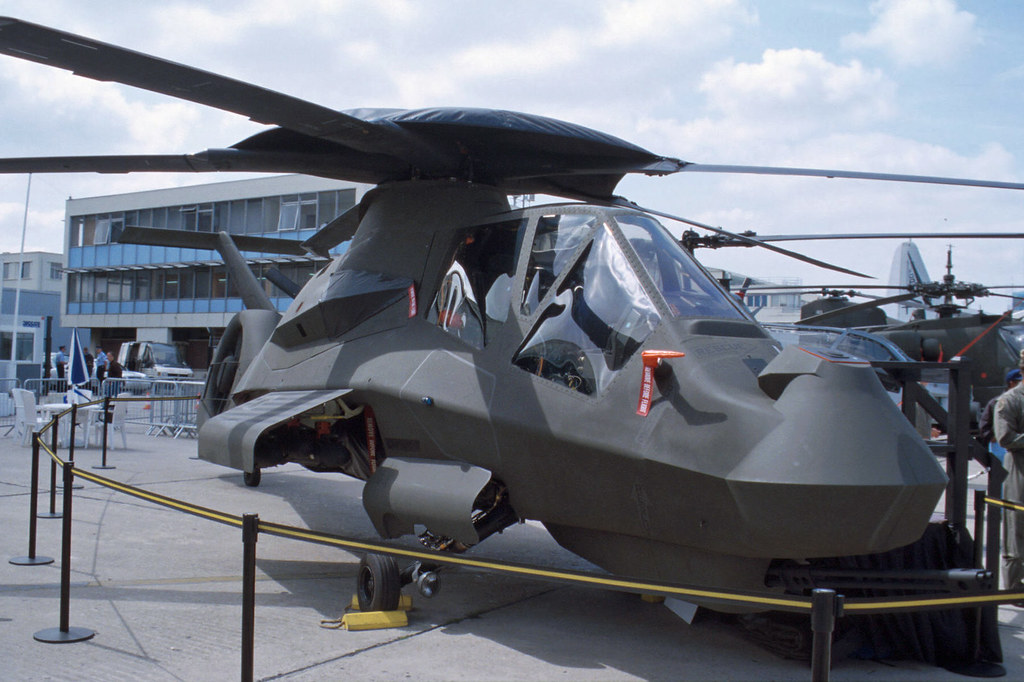
3. The Army’s Comanche Helicopter
The RAH-66 Comanche helicopter program, initiated in 1983, was intended to provide the Army with a stealthy, advanced reconnaissance and attack platform. After nearly two decades and an investment of over $7 billion, the project was terminated in 2004. The decision came too late for taxpayers and military planners who had hoped to see the Comanche deployed in the field.
4. The Navy’s CG(X) Cruiser Program
Initially announced in 2006, the CG(X) program was meant to develop a next-generation cruiser to replace the aging Ticonderoga-class ships. However, after spending about $2 billion on research and development, the Navy canceled the project in 2010 due to shifting priorities and budget constraints. The late cancellation left a gap in naval capabilities and raised questions about the Navy’s long-term strategic planning.
5. The Joint Strike Fighter (JSF) Alternative Engine
While the F-35 Joint Strike Fighter has been a cornerstone of U.S. military aviation, the alternative engine program aimed to provide a competitive edge in performance and cost reduction. Despite significant investment—over $1 billion—the project was scrapped in 2011 after political disagreements and budget cuts. The decision to discontinue the alternative engine too late limited options for future upgrades and maintenance, raising concerns among defense experts.
6. The Army’s Ground Combat Vehicle (GCV) Program
Launched in 2009 as a response to evolving combat needs, the GCV was intended to develop a next-generation armored vehicle. After spending over $1.5 billion, the program was canceled in 2014 due to escalating costs and technical challenges. The delay in terminating the project resulted in wasted resources that could have been redirected to other pressing military needs.
Conclusion: The Cost of Delayed Decisions
These six military projects illustrate the significant financial and strategic ramifications of delaying cancellations. With billions of dollars wasted and critical capabilities potentially compromised, the U.S. military must reassess its approach to project management and oversight. Timely decision-making is crucial to ensuring that resources are allocated efficiently and effectively in an ever-evolving global landscape.
As the military faces increasing pressure to modernize, it is imperative for stakeholders to advocate for more rigorous scrutiny of proposed projects. Citizens and policymakers alike must demand transparency and accountability to prevent further misallocation of taxpayer dollars. It’s time to prioritize efficiency and effectiveness in military spending—your voice matters.